United States sanctions two more ICC judges, court condemns action
U.S. Secretary of State Marco Rubio announced on December 18, 2025 that two International Criminal Court judges were placed under sanctions, deepening a months long confrontation between Washington and the tribunal. Human rights groups and U.N. experts say the measures undermine judicial independence and jeopardize victims access to justice, raising wider questions about global accountability mechanisms.
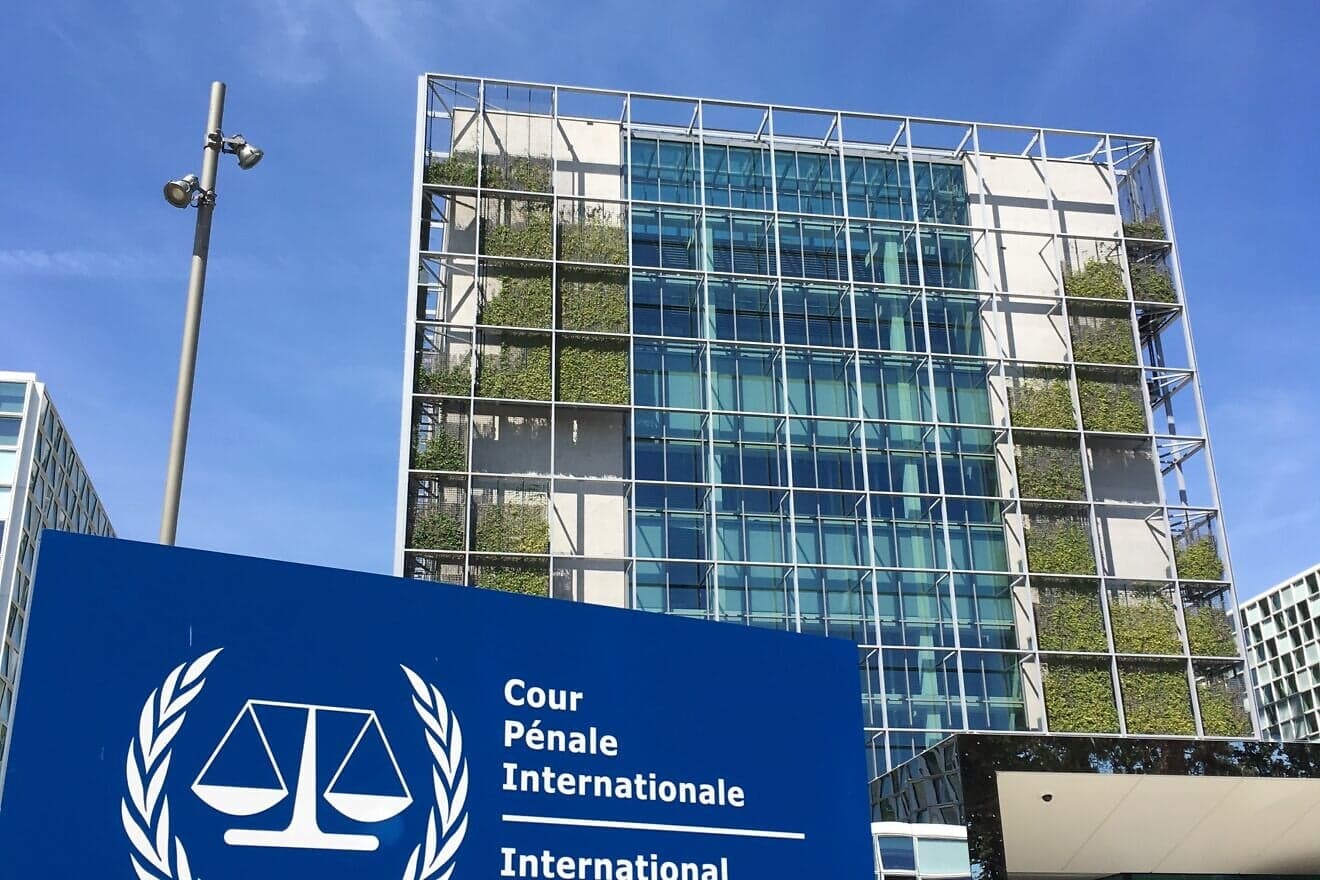
U.S. Secretary of State Marco Rubio announced on December 18, 2025 that the United States had imposed sanctions on two International Criminal Court judges, Gocha Lordkipanidze of Georgia and Erdenebalsuren Damdin of Mongolia. The designations were made under a U.S. executive order targeting court officials involved in investigations that American officials describe as overreach. The move follows earlier rounds of measures in 2025 that have increasingly singled out the court and people and organizations associated with its work.
The new designations mark the latest escalation in a sequence of actions this year. In June and again in August the United States took steps that affected judges and prosecutors at the court, and the cumulative measures have touched the ICC prosecutor, deputy prosecutors, at least six judges, a U.N. special rapporteur, and several Palestinian civil society organizations. Human Rights Watch has catalogued the pattern and named three Palestinian human rights groups that have been affected, Al Haq, Al Mezan Center for Human Rights, and the Palestinian Centre for Human Rights.
The U.N. Office of the High Commissioner for Human Rights published an August statement in which U.N. independent experts condemned a previous round of U.S. measures, calling them, "a direct assault against the independence of the tribunal and a devastating blow to victims worldwide." The experts added, "It is alarming to see a country show such continuing hostility towards the legal and peaceful actions of an independent tribunal set up by the international community." They warned that sanctioning judges and prosecutors "sabotages the fight against impunity and tells the world that power, not justice, rules in the face of atrocity."
Legal and diplomatic ramifications cascade beyond personalities. The ICC, created to investigate genocide, war crimes and crimes against humanity when national systems fail, relies on perceptions of impartiality to secure cooperation from states and witnesses. Targeting judges by sanction measures raises questions about the capacity of the court to function free from political intimidation and could deter judicial officials and potential witnesses who fear reprisals.

Human Rights Watch described the U.S. moves as, "an attack on justice and the international rule of law," situating them within a wider pattern of pressure that also includes cyber intrusions and rival states working to weaken the court’s authority. The organization noted that the ICC faced a second serious cyberattack in June 2025 with alleged espionage intent, and that Russian issued arrest warrants for ICC officials from prior years remain unresolved.
For many governments in Africa, Asia and Latin America that support the court, these developments pose a diplomatic dilemma. They must weigh public commitments to international justice against the practical implications of U.S. pressure, including the risk to bilateral relations and to cooperation on other security and development priorities. Victims of alleged atrocity crimes meanwhile risk seeing long fought access to accountability narrowed by geopolitical contestation.
The immediate questions now are procedural and political. The U.S. State Department has linked the measures to executive authority over national security and sovereignty interests. The ICC must assess operational impacts and protective steps for staff and witnesses. Member states will be asked to consider whether they will rally to defend the court’s independence or acquiesce to a rival conception of power and prerogative on matters of international criminal justice.
This article was produced by Prism’s automated news system from verified source data, official records, and press releases, then run through automated quality and moderation checks before publishing. The system is built and supervised by the people who set the standards it runs under. Read our full AI policy.
Did this article answer your question?


