University mindfulness program linked to lower student burnout and stress biomarkers
An 8-week MBSR-style program for Mexican university students reduced emotional exhaustion and depersonalization and lowered cortisol and inflammatory markers. This strengthens mind-body evidence and matters for campus wellbeing programs.
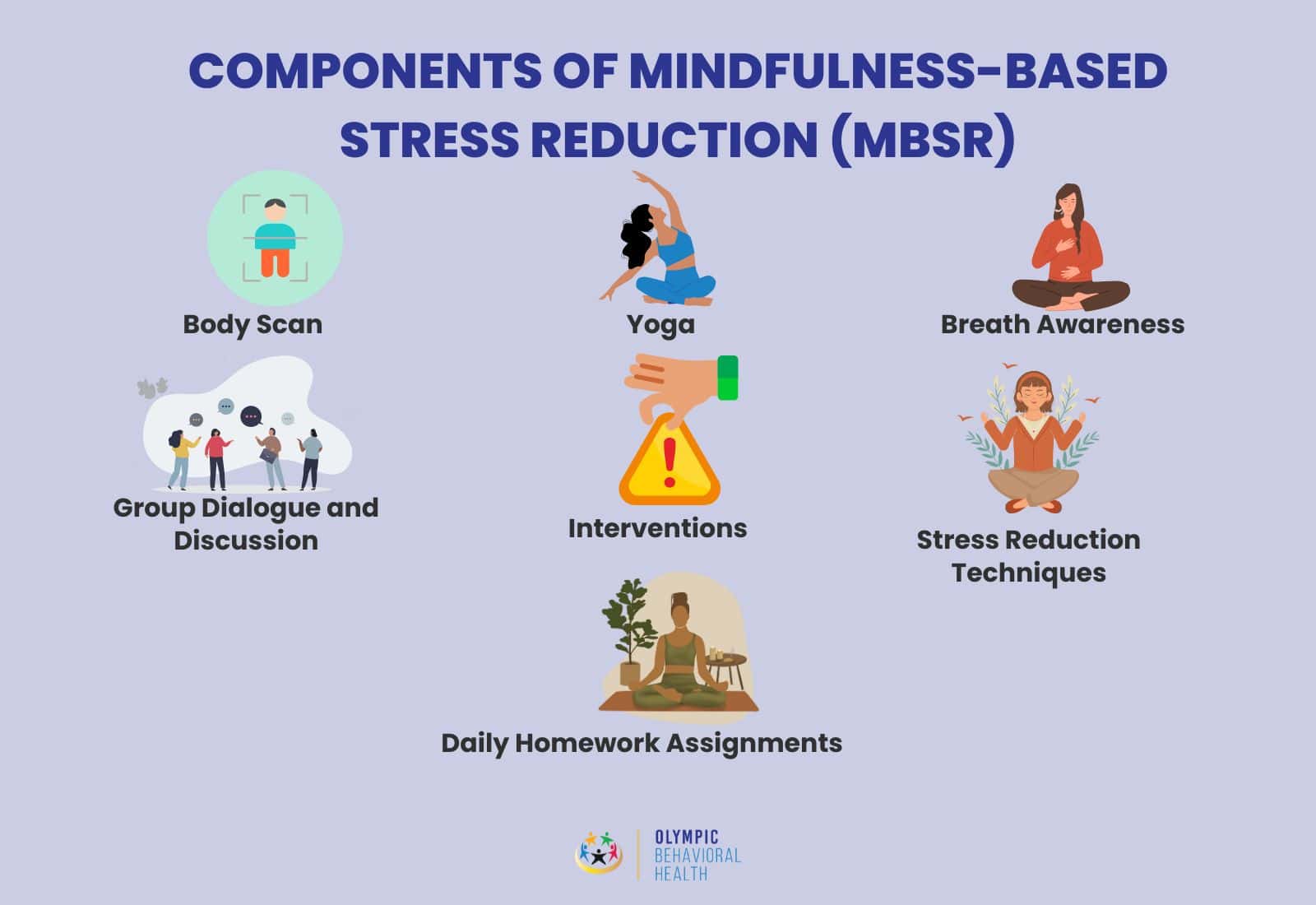
A pilot study led by Velázquez-Paniagua et al. found that an 8-week mindfulness-based program produced meaningful reductions in both self-reported burnout and physiological stress signals among university students in Mexico (DOI 10.1007/s44192-025-00364-6). The intervention used core MBSR-style practices including seated meditation, mindful breathing, and body-awareness exercises, and combined standard burnout surveys with biomarkers such as cortisol and inflammatory markers.
Participants reported statistically meaningful declines in two key burnout components: emotional exhaustion and depersonalization. Those self-reported gains were accompanied by parallel reductions in measured stress biomarkers, strengthening the psychophysiological case that short, structured mindfulness practice can change both how students feel and how their bodies register stress. Qualitative feedback from participants highlighted improved focus, better emotional regulation, and more effective everyday coping—practical outcomes that directly affect study habits, class engagement, and campus life.
Because this was a pilot trial, the authors frame the results as preliminary but promising. They call for larger samples, longer follow-up windows to test durability, and focused attention on accessibility so programs can be equitably implemented across different universities and student populations. The study's mixed-methods approach—combining self-report, physiological data, and participant narratives—offers a model for campus mental health teams that want evidence beyond satisfaction surveys.
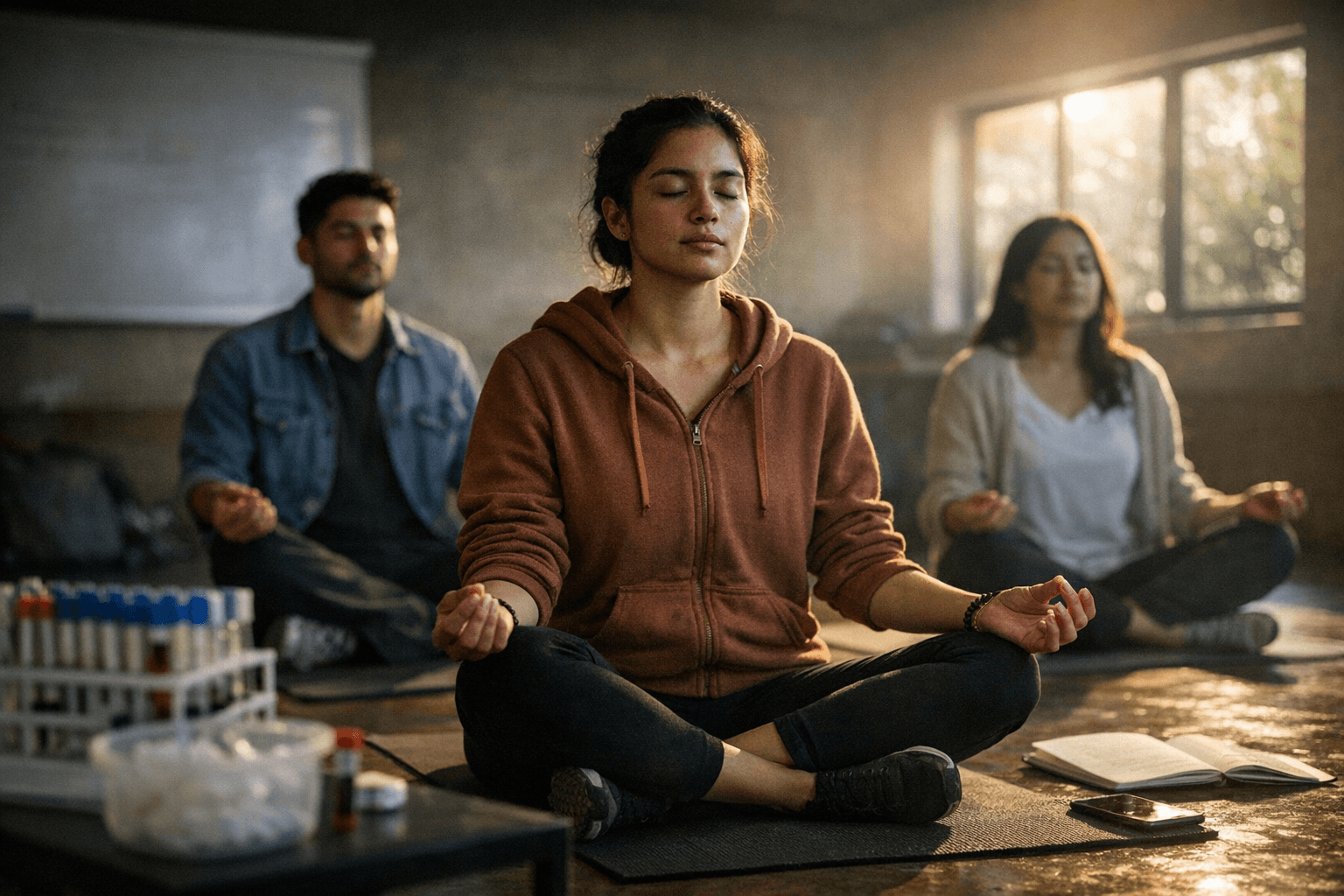
For campus practitioners and student organizers this study provides actionable signals. Short, MBSR-style cycles that center breath awareness and body scanning can be packaged into existing wellness offerings, counseling referrals, or residence hall programming. Tracking outcomes with simple burnout inventories can show whether practices are moving the needle, and partnering with university health services can open options for voluntary physiological monitoring when appropriate and ethical. Attention to accessibility means offering multiple session times, hybrid or online options, and sliding-scale or no-cost access so students from diverse backgrounds can participate.
Mindfulness programs are not a cure-all, but this study suggests they can be a practical tool in a campus wellbeing toolkit—one that registers in both subjective experience and biological stress markers. The takeaway? Start small, measure what matters, and make access easy: even brief, consistent breathwork and body-awareness practice can help students feel less depleted and cope better during the academic grind. Our two cents? Build practices into the day where students already are—lectures, libraries, dorm lounges—and watch focus and resilience grow one breath at a time.
Sources:
Know something we missed? Have a correction or additional information?
Submit a Tip