Unredacted reports reveal Tesla robotaxi crashes during remote driving
Tesla’s newly unredacted filings show two robotaxi crashes while remote operators were driving from afar, exposing how much human hands still shape the system.

Tesla’s robotaxi program now faces a clearer transparency test: newly unredacted crash reports show that at least two collisions happened while a teleoperator was remotely driving the vehicle, even as Tesla markets the system as autonomous. The disclosures cover 17 robotaxi crashes Tesla has logged since last year and strip away the secrecy that had previously hidden the narrative details.
Both teleoperator-involved crashes happened in Austin, Texas, at low speeds, with a safety monitor seated behind the wheel and no passengers onboard. In one incident from July 2025, shortly after Tesla began its Austin rollout on June 22, the vehicle’s automated driving system appeared to stall while stopped on a street. A safety monitor called for help, a remote operator took over, increased speed, turned the car left, then drove up a curb and into a metal fence.
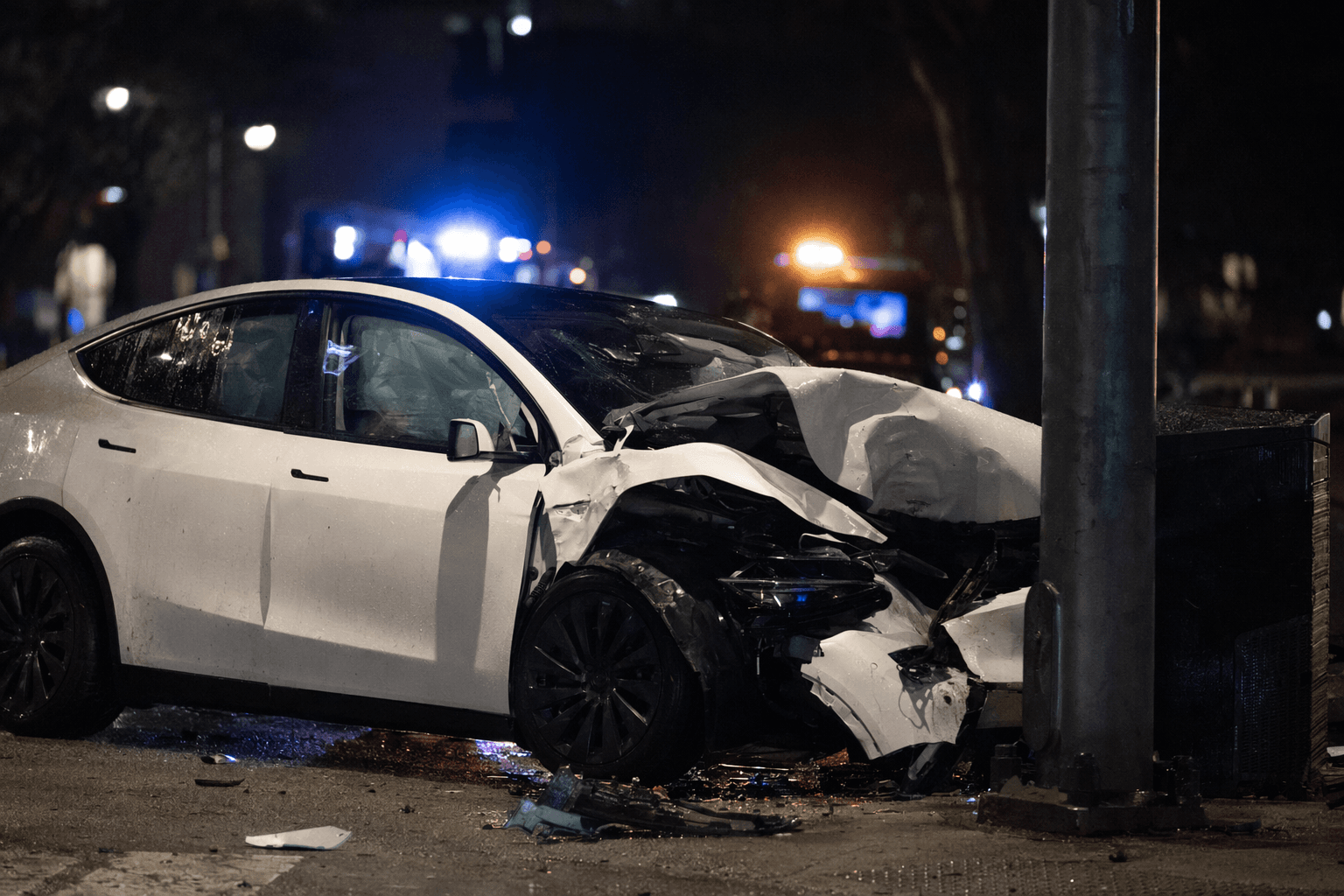
A second incident in January 2026 followed a similar pattern. The Tesla ADS was moving straight on a street when the safety monitor requested assistance with navigation. A teleoperator took over a stopped vehicle and continued straight ahead before the Tesla made contact with a temporary construction barricade at about 9 mph, scraping the front-left fender and tire. Tesla has told lawmakers that its remote operators may pilot a vehicle only if they stay under 10 mph, a restriction the company said was meant to move a car out of a compromised position without waiting for a first responder or Tesla field representative.
The disclosures matter because Tesla had long redacted the descriptions of its crashes, calling them confidential business information. Now, with the narratives exposed, the records show a system that still depends on human intervention in tightly controlled conditions. Other newly unredacted cases show Tesla robotaxis being struck by other vehicles, while at least two involve mirror damage from contact with another car. In one September 2025 crash, the ADS could not avoid a dog that ran into the street.
The backdrop is a federal reporting regime designed to force more openness. NHTSA’s Standing General Order on Crash Reporting, first issued in 2021 and amended in 2021, 2023 and 2025, requires reports on certain crashes involving ADS and Level 2 ADAS systems. NHTSA says the order exists to increase transparency and identify safety issues, and the agency asked Tesla in 2025 to explain how its robotaxi technology would be evaluated for use on public roads in Austin. With Tesla also expanding testing to Dallas and Houston by May 2026, the unredacted reports underline a basic fact: the robotaxi network remains dependent on hidden human oversight.
This article was produced by Prism’s automated news system from verified source data, official records, and press releases, then run through automated quality and moderation checks before publishing. The system is built and supervised by the people who set the standards it runs under. Read our full AI policy.
Did this article answer your question?