Uptown Baby Hits $1 Million in Sales, Expands to 175 Boutiques Nationwide
The Uptown Baby crossed $1 million in annual sales and landed in 175+ boutiques, giving baby-shower gift-buyers their first real chance to feel the bamboo fabric before buying.
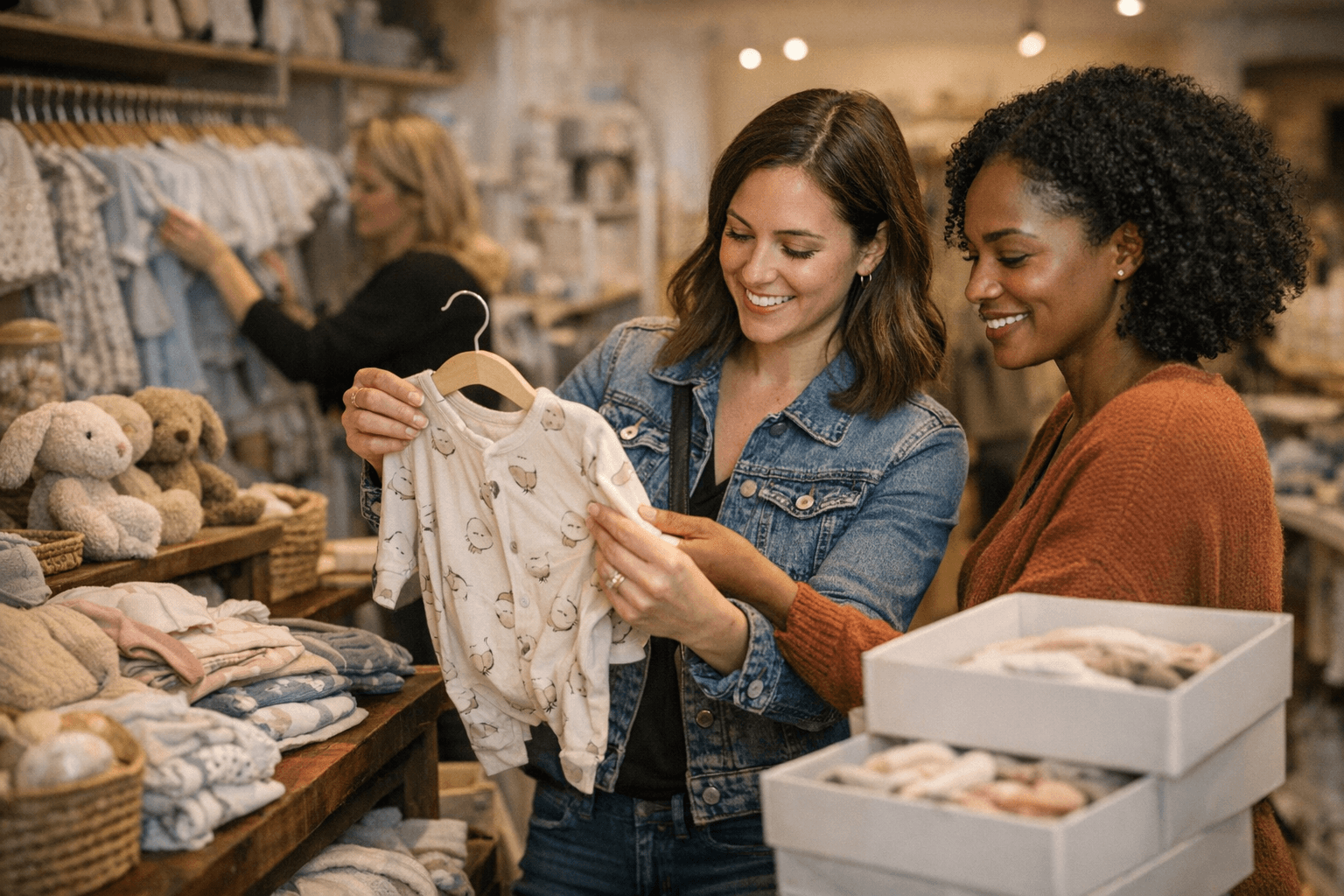
The New Orleans label that built its name selling bamboo baby sleepwear direct to consumers crossed $1 million in annual sales, announcing on March 25 its expansion into more than 175 boutiques and specialty children's stores across the country, a shift that fundamentally changes how registry shoppers and shower guests can research and buy the brand.
The Uptown Baby, founded by two mothers who set out to design sleepwear specifically for sensitive skin, credited the milestone to product quality, repeat customers, and a deliberate channel strategy that kept the brand out of mass-market big boxes. The founders pursued placement instead in small boutiques and specialty shops, the kinds of curated environments where expectant parents can pick up a garment, check seam construction, and assess fabric weight before committing. For anyone who has ever gifted sleepwear in the wrong size or the wrong season, that in-store access matters considerably.
Bamboo-based fabrics carry specific appeal for infant sleepwear buyers: the material is typically softer than cotton and positioned as a hypoallergenic choice, which becomes relevant when sizing up or layering for cooler months. At a boutique, gift buyers can feel for weight and stretch, two factors that determine how a sleep sack or footie performs across the 0-3 and 3-6 month ranges most babies burn through fastest. Buying a size ahead, 6-9 or 9-12 months, is the standing advice for shower gifts because newborn sizes arrive in abundance from every direction. Choosing a seasonal weight matters equally: a heavy-knit piece gifted in spring for a summer baby often goes unused entirely.
The founders described close vertical oversight, including visits to international sourcing facilities, as central to achieving consistent quality across collections. That kind of supply chain discipline tends to reflect in wash durability, a practical concern for parents running daily infant laundry. Boutique staff trained on specific materials and care requirements can advise on how a bamboo fabric holds up through repeated cycles in a way an online product page rarely does. That institutional knowledge is a genuine differentiator for in-store shoppers.
On the registry side, The Uptown Baby's boutique footprint opens up exchange options that a purely D2C purchase does not offer. A local boutique partner can often process a size swap in person, eliminating the friction of shipping returns, which is a real advantage for a gift item that may not be unboxed until weeks after the shower.
The brand's roadmap extends beyond sleepwear into crib sheets and parent-matching items, with a target of 500 or more retail partners within 18 to 24 months. That trajectory suggests the in-store availability that currently makes the brand useful for registry curation will only deepen, turning what began as a New Orleans D2C label into a growing brick-and-mortar presence for gift buyers who want to handle a product before it goes on a list.
Sources:
Know something we missed? Have a correction or additional information?
Submit a Tip