U.S. aid cuts leave Senegal children short of lifesaving Plumpy'Nut
A mother in rural Senegal walked more than 3 miles for Plumpy'Nut. Aid cuts then thinned supplies, exposing how one U.S.-backed program had kept malnutrition close to home.

A community nutrition program had turned a deadly last-mile problem into something families in rural Senegal could actually reach. For Yacine Lo, that meant walking more than 3 miles from her home outside Keur Mbar to a clinic, where health workers confirmed her twins were malnourished and handed her a week’s supply of Plumpy'Nut, the peanut-based therapeutic food that helped them improve.
That fragile progress later gave way to shortages. Lo said the problem worsened over the past year and a half after the Trump administration cut foreign aid, a blow that rippled through Senegal’s U.S.-funded, nonprofit-supported community nutrition system and left parents facing empty shelves instead of treatment within walking distance.
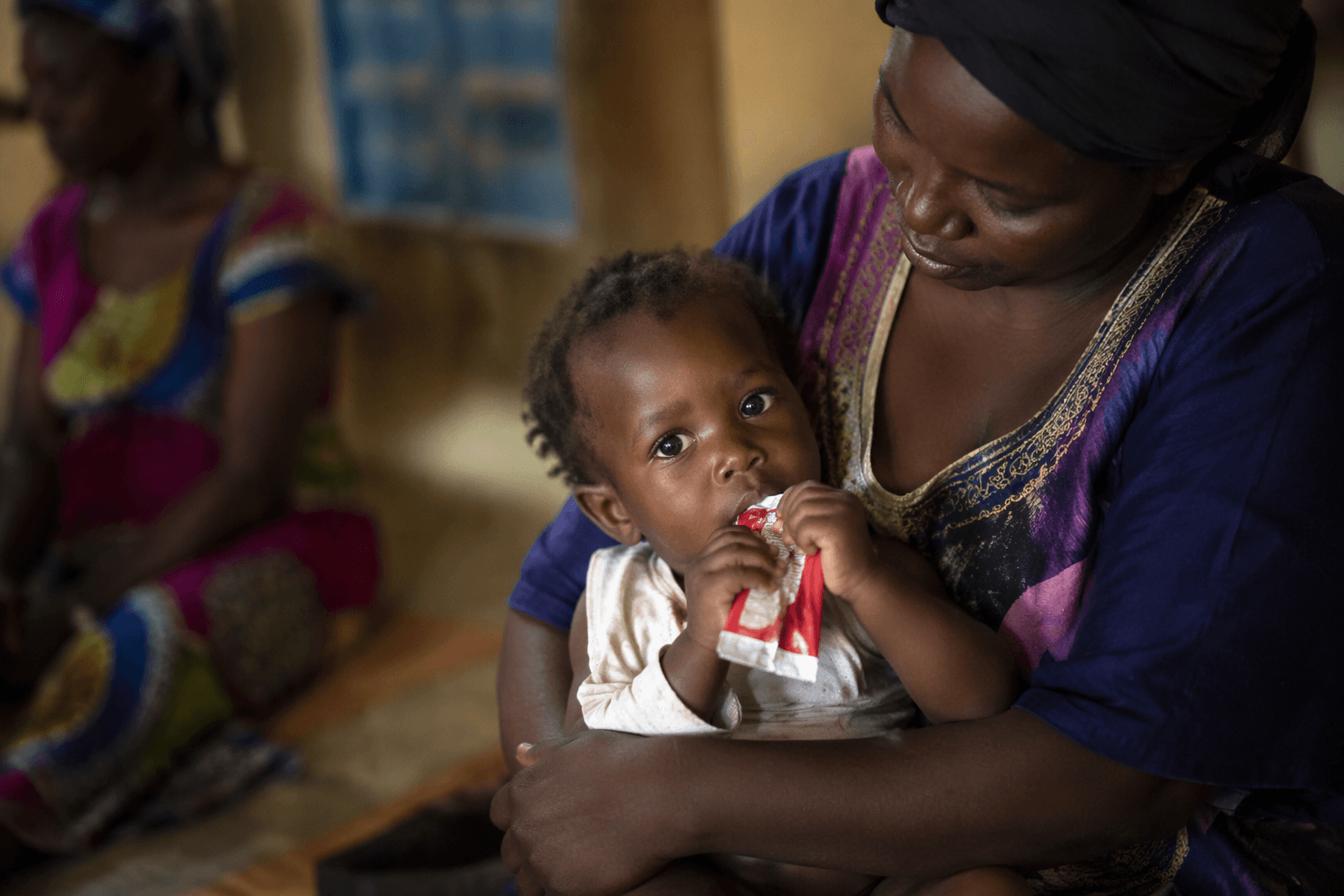
Plumpy'Nut is a ready-to-use therapeutic food made from peanut butter, powdered milk, oil, sugar, vitamins and minerals. In Senegal, the product had been pushed closer to families through community-level care, allowing children to be assessed and treated without waiting for a distant hospital. That model mattered in a country where about 10% of children under five are affected by acute malnutrition and only about one in four can get treatment when and where they need it.
Senegal updated its national protocol to let community health workers assess, classify, manage, or refer children ages 6 to 59 months with wasting or nutritional edema, a shift meant to scale care beyond clinics. A pilot in five regions reportedly lifted treatment coverage to about 70% when those workers were empowered to deliver care locally, a sharp improvement over the old system that left too many children untreated.
But UNICEF warned in March 2025 that funding cuts were already threatening nutrition services far beyond Senegal. The agency said at least 14 million children could face disruptions that year, more than 2.4 million children with severe acute malnutrition could go without RUTF, and as many as 2,300 stabilization centers and nearly 28,000 outpatient therapeutic centers were at risk of closing or scaling back. In October 2024, UNICEF had already said nearly two million severely malnourished children were at risk of death because of RUTF shortages, naming countries including Mali, Nigeria, Niger and Chad as already affected or on the brink.
Aid groups said the same pattern was playing out in the supply chain. Doctors Without Borders said the cuts left therapeutic food stuck in warehouses and made delivery uncertain, while Save the Children warned in April 2025 that 110,000 severely malnourished children depended on emergency treatment now endangered by the reductions. In Senegal, the result was visible in one mother’s walk to a clinic and in the wider failure of a system that had briefly brought lifesaving food within reach.
This article was produced by Prism’s automated news system from verified source data, official records, and press releases, then run through automated quality and moderation checks before publishing. The system is built and supervised by the people who set the standards it runs under. Read our full AI policy.
Know something we missed? Have a correction or additional information?
Submit a Tip