U.S. aid pause triggers HIV service collapse in Zambia
Prevention sites closed first in Zambia, leaving more than 20,000 people on ART without support and exposing how much of the HIV system depended on U.S. money.
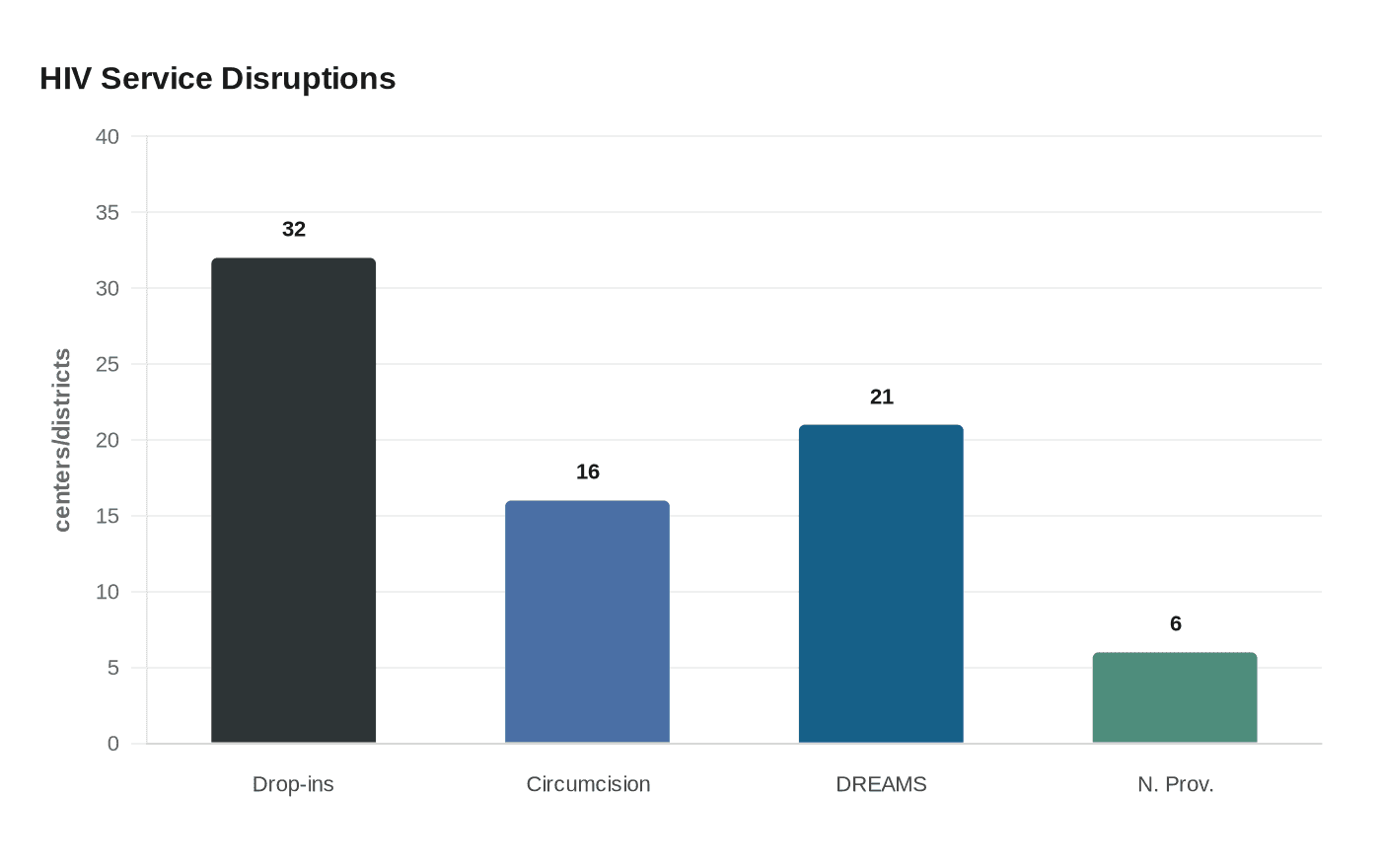
The first losses in Zambia came where HIV control is won or lost: prevention sites, community drop-ins and youth programs. When the U.S. paused foreign assistance, 32 drop-in centers serving more than 20,000 key populations living with HIV on antiretroviral therapy shut down across seven of Zambia’s 10 provinces, 16 standalone voluntary medical male circumcision centers stopped operating and DREAMS centers in 21 districts closed.
UNAIDS estimated that U.S. government support to Zambia was worth about $600 million a year, including $367 million committed to the national HIV response for 2025. Nearly half of the country’s PrEP services were U.S.-supported, and more than 23,000 personnel backed by U.S. funding were at risk, including over 11,500 health workers and community-based volunteers. The scale of the disruption showed that the pause did not affect only budget lines. It hit the parts of the system that kept people engaged, tested and protected before infection or treatment failure could set in.
By May 2025, clinics had closed, prevention services had been scaled back and thousands had lost access to lifesaving medication. In six districts of Northern Province, HIV services were at a complete standstill where Right to Health had been the only U.S. implementing partner. UNAIDS said the antiretroviral supply remained adequate for about 12 months, but without a buffer, leaving the system exposed to any further delay or interruption.
The consequences were especially stark in a country where AIDS investment had helped push life expectancy from about 46 years in 1997 to nearly 66 years in 2023. That gain, built over decades, now sat at the center of a widening policy shock: if prevention collapses and treatment access frays, the country risks losing the health dividends that foreign aid helped create.
The U.S. Embassy in Zambia said it would cut $50 million in medications and medical supplies support amid concerns about pilferage. At the same time, the embassy said roughly one in every three kwacha spent on public health in Zambia came as U.S. assistance, underscoring how deeply American financing had become embedded in the country’s health system.
A 2025 modeling discussion at the Thanzi programme said Zambia was especially vulnerable because PEPFAR supported 84% of its HIV programme in 2024. The projection warned that a prolonged disruption could drive millions more HIV acquisitions and deaths over time. Across East and Southern Africa, UNAIDS said the funding cuts had already triggered retrenchments, program shutdowns, reduced prevention access and the dismantling of community health systems. In Zambia, the warning was no longer theoretical. It was visible in closed doors, empty centers and patients left waiting for care that had once been routine.
This article was produced by Prism’s automated news system from verified source data, official records, and press releases, then run through automated quality and moderation checks before publishing. The system is built and supervised by the people who set the standards it runs under. Read our full AI policy.
Did this article answer your question?