Chris Hughton reveals cancer diagnosis, football world rallies around him
Chris Hughton said prostate cancer was caught early in April 2025, and after surgery in May he is cancer-free and using his recovery to urge screening.
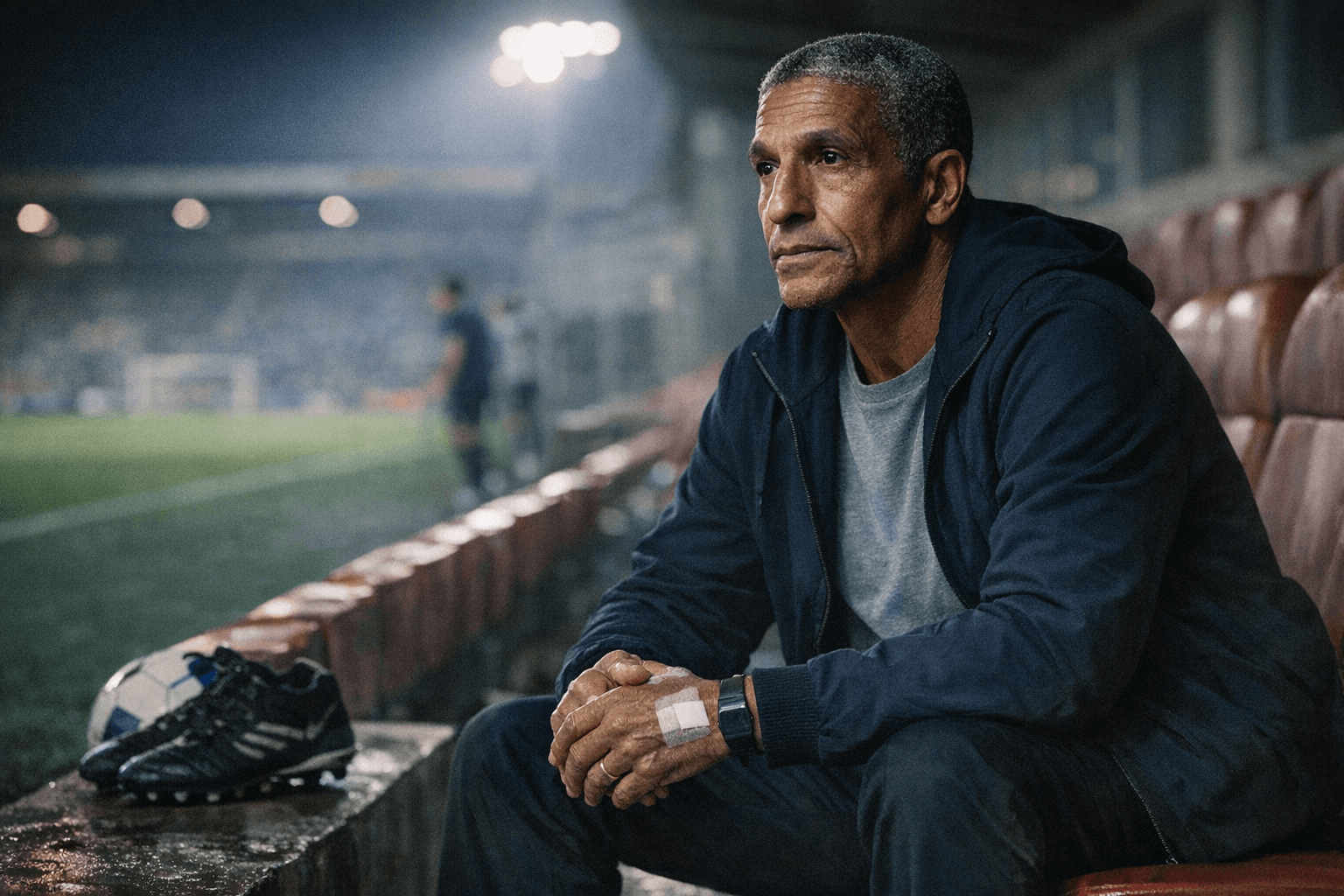
Chris Hughton has revealed that he was diagnosed with prostate cancer in April 2025, underwent surgery the following month and is now cancer-free after what he described as a successful recovery. The former Brighton, Newcastle United and Republic of Ireland figure said he is about one year on from the operation, feels good and has plenty of energy.
Hughton’s disclosure carries a clear public-health message as well as a personal one. He said he wanted to share his experience to help others, particularly men in the black community, where prostate cancer risk is higher. He described himself as being in “a really good place” and said, “I’m very comfortable with my prognosis,” underscoring the difference early detection and treatment can make.

That timing matters. Reports said the cancer was picked up during routine checks and PSA monitoring, the kind of screening that can flag disease before symptoms become severe. Hughton also fell into a higher-risk category because he is a Black man over 50 and had family-history factors, which made ongoing testing especially important. His case will now sit alongside the broader debate about how often men in higher-risk groups are tested, how quickly results are followed up and how openly such diagnoses are discussed.
The football context gives the announcement added weight. Hughton played for Tottenham Hotspur, West Ham United, Brentford and the Republic of Ireland before moving into management, where he led Brighton & Hove Albion, Newcastle United, Birmingham City, Norwich City, Nottingham Forest and Ghana. His spell at Brighton remains a landmark: he took the club into the Premier League for the first time in their history.
That standing helps explain why the news has resonated so widely across the game. Hughton has long been respected for his calm authority and professionalism, qualities that made him a trusted figure in dressing rooms and boardrooms alike. Now, as he turns his attention to recovery and awareness, his message is reaching beyond football to a question with real consequences for men and their families: screening can change outcomes when it is done early and taken seriously.
This article was produced by Prism’s automated news system from verified source data, official records, and press releases, then run through automated quality and moderation checks before publishing. The system is built and supervised by the people who set the standards it runs under. Read our full AI policy.
Did this article answer your question?


