Long Island father donates kidney to save boy in need
A Long Island father who saw a teen’s kidney plea on TV matched Elias Manolis and gave him a transplant after asking himself, “why not me?”
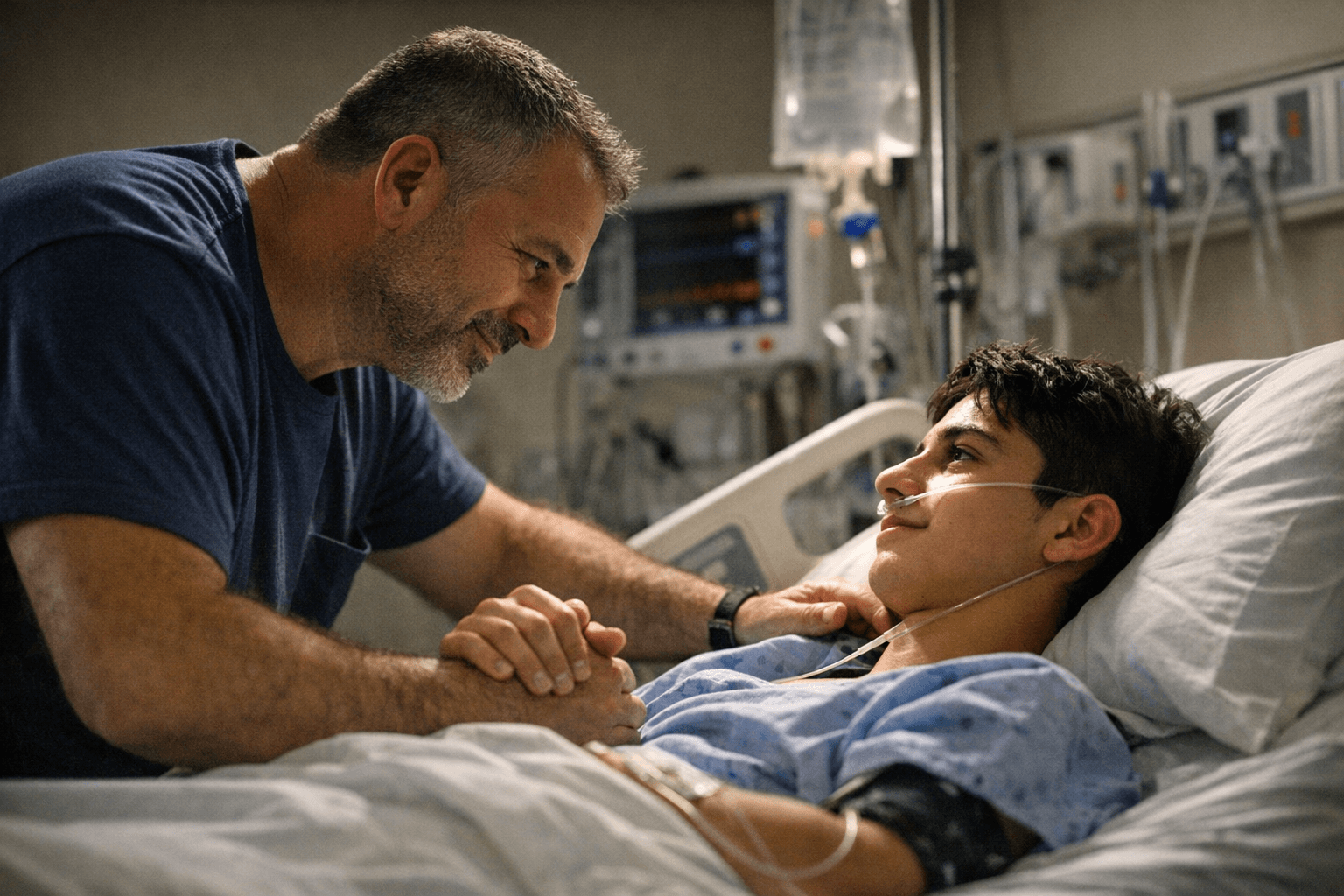
Tim Fitzpatrick was at home on Long Island when a local news story about 13-year-old Elias Manolis stopped him in his tracks. The 44-year-old father of two, whose 11-year-old son Logan is treated at Hassenfeld Children’s Hospital at NYU Langone for eosinophilic esophagitis, signed up to be tested as a living kidney donor through the NYU Langone Transplant Institute, was found to be a match, and donated one of his kidneys in a coordinated transplant on March 23, 2026. The surgery brought together two families who had never met and gave Elias a chance to avoid the dialysis that doctors said was likely next.
Elias was born with ureterovesical junction obstruction, a rare congenital condition that affects how urine drains from the kidneys. By age 13, his kidney function had fallen to 17 percent. When no one in his immediate family matched, his parents, Margaret and Nikos Manolis, turned to social media and local television stations to widen the search. Fitzpatrick said the story stayed with him and that he kept coming back to the same thought: “why not me?”

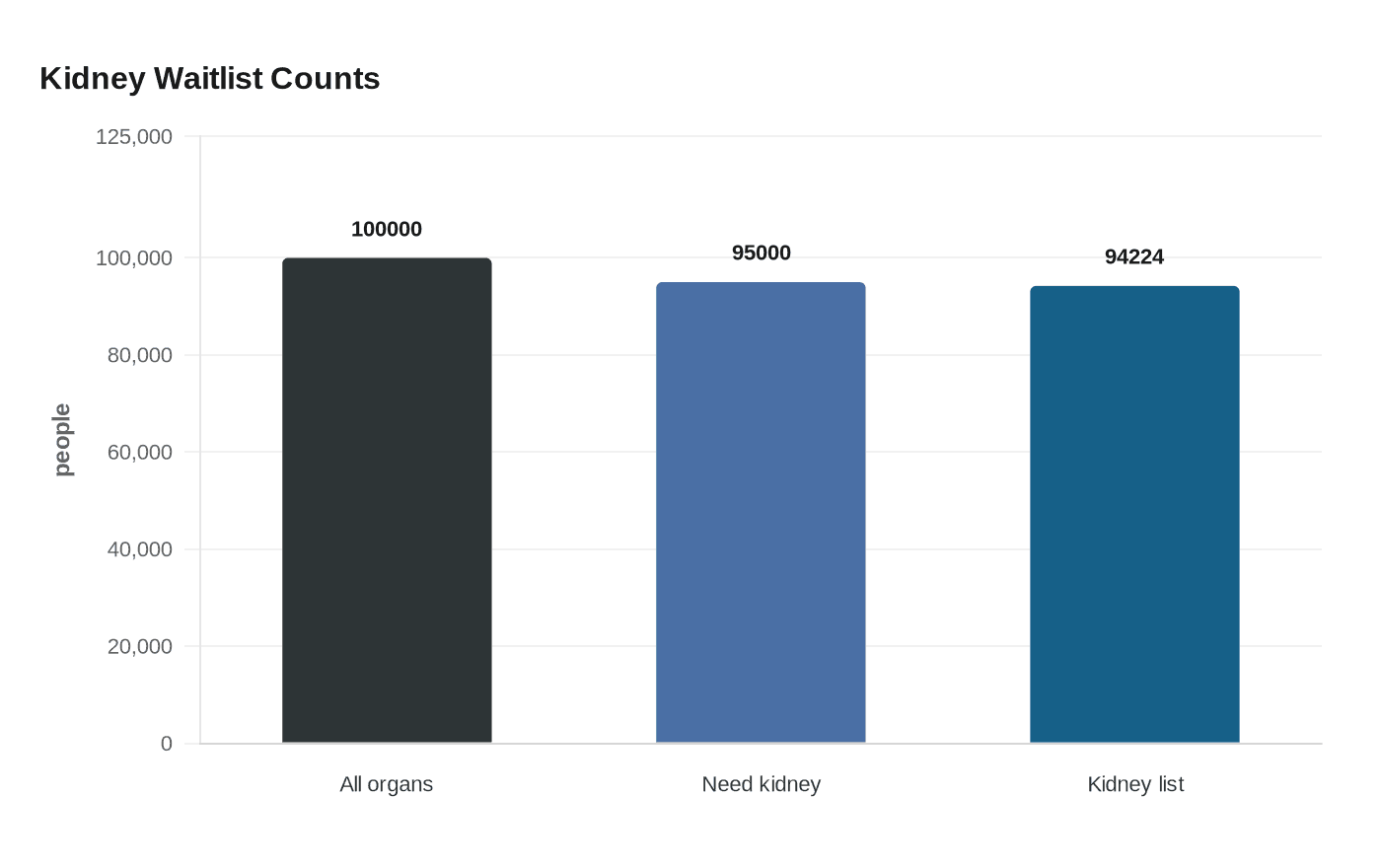
The transplant also underscored how stretched the country’s kidney pipeline remains. NYU Langone said more than 100,000 people in the United States are waiting for an organ transplant, including about 95,000 needing a kidney, while UNOS data updated February 16, 2026 showed 94,224 people on the kidney waiting list. Living donation is not common, and most living kidney gifts are directed to relatives or close contacts, though donors can also give anonymously to a stranger. Potential donors must be healthy enough to donate and pass a formal evaluation, with blood type and tissue compatibility shaping who can move forward.
The financial hurdles can be just as real as the medical ones. National Kidney Foundation guidance says medical costs directly tied to donation are covered by the recipient’s insurance, but donors can still face travel expenses, follow-up care, and lost wages, along with childcare or eldercare costs during recovery. Living donation can shorten the wait for the recipient, and when a donor is found, the surgery can be scheduled in advance. Fitzpatrick later met Elias for the first time after the transplant, a reminder that one family’s relief sits inside a much larger shortage that still leaves too many patients waiting for a stranger to step forward.
This article was produced by Prism’s automated news system from verified source data, official records, and press releases, then run through automated quality and moderation checks before publishing. The system is built and supervised by the people who set the standards it runs under. Read our full AI policy.
Did this article answer your question?