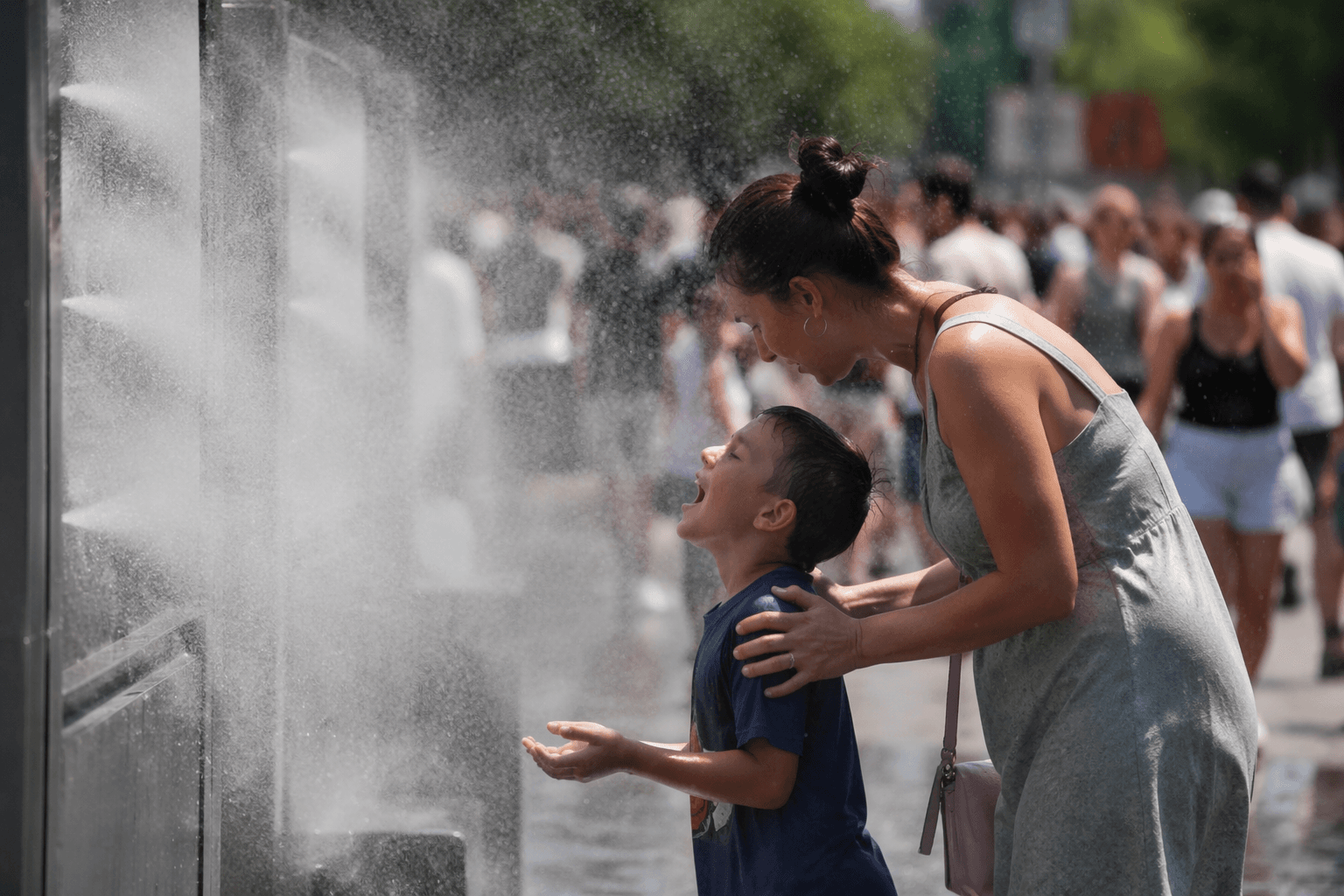
Sunlight powers Earth, regulates sleep, and poses health risks
Sunlight runs Earth’s climate, resets the body clock, and can damage skin. Treating it as both life-giving and hazardous is the public-health challenge.
A solar-powered planet
Sunlight is not just background. It is the force that powers Earth’s climate system, delivering an average of about 240 watts of solar power per square meter over the course of a year and setting the terms for life on the planet. NASA describes Earth as a solar-powered system because absorbed sunlight drives photosynthesis, fuels evaporation, melts snow and ice, and warms the Earth system.
That same energy budget helps explain why climate is more than a weather snapshot. NOAA says Earth’s climate depends on the balance between incoming energy from the Sun and outgoing energy from the Earth, a balance that helps maintain a stable average temperature and a climate suitable for life. The Sun’s energy also arrives fast by cosmic standards, reaching Earth in about 8 1/3 minutes, according to UCAR. In practical terms, an ordinary beam of light carries the physics that shapes oceans, ice, seasons, and the conditions people depend on every day.
How sunlight sets the body clock
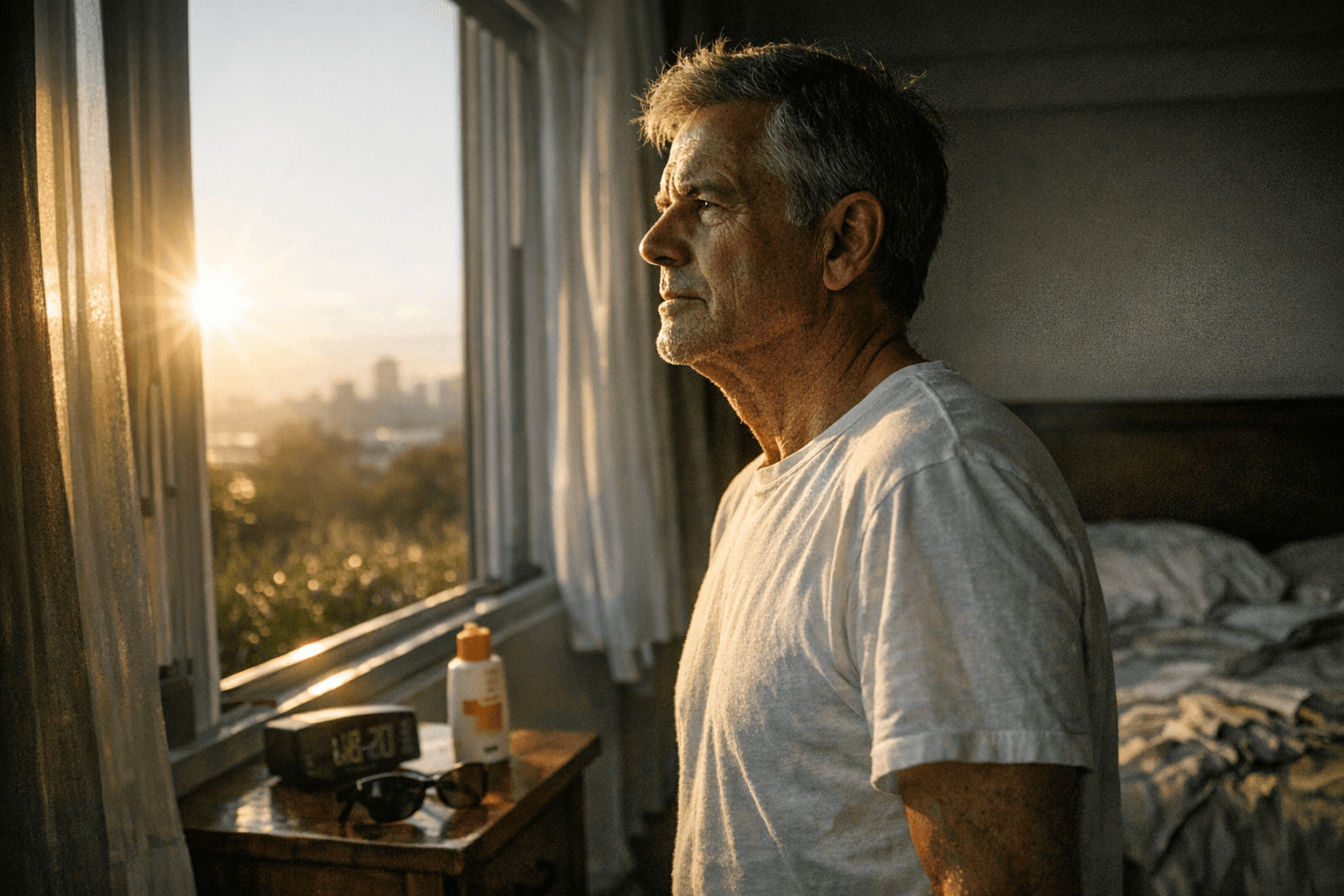
The Sun’s influence does not stop at climate. Light helps organize human biology, especially the circadian rhythm that keeps sleep, wakefulness, and many bodily functions aligned with the day-night cycle. CDC NIOSH materials explain that the sun’s light-dark cycle keeps bodies synchronized with predictable environmental changes, a reminder that human timekeeping is built around the sky.
Even sleep is not a complete shield from light. CDC NIOSH says light can pass through closed eyelids during sleep and signal the circadian pacemaker, which means exposure does not have to be direct or dramatic to matter. This is why daylight can be so powerful in daily life: it helps set the timing of alertness, rest, and recovery, and it can influence how steady or disrupted people feel from one day to the next.
For communities, that biology has real consequences. When daylight rhythms are strong and predictable, they can support healthier sleep patterns and more regular daily routines. When those rhythms are weakened by irregular schedules, indoor isolation, or constant artificial light, the result can be a body clock that struggles to match the world outside.
When light becomes a health risk
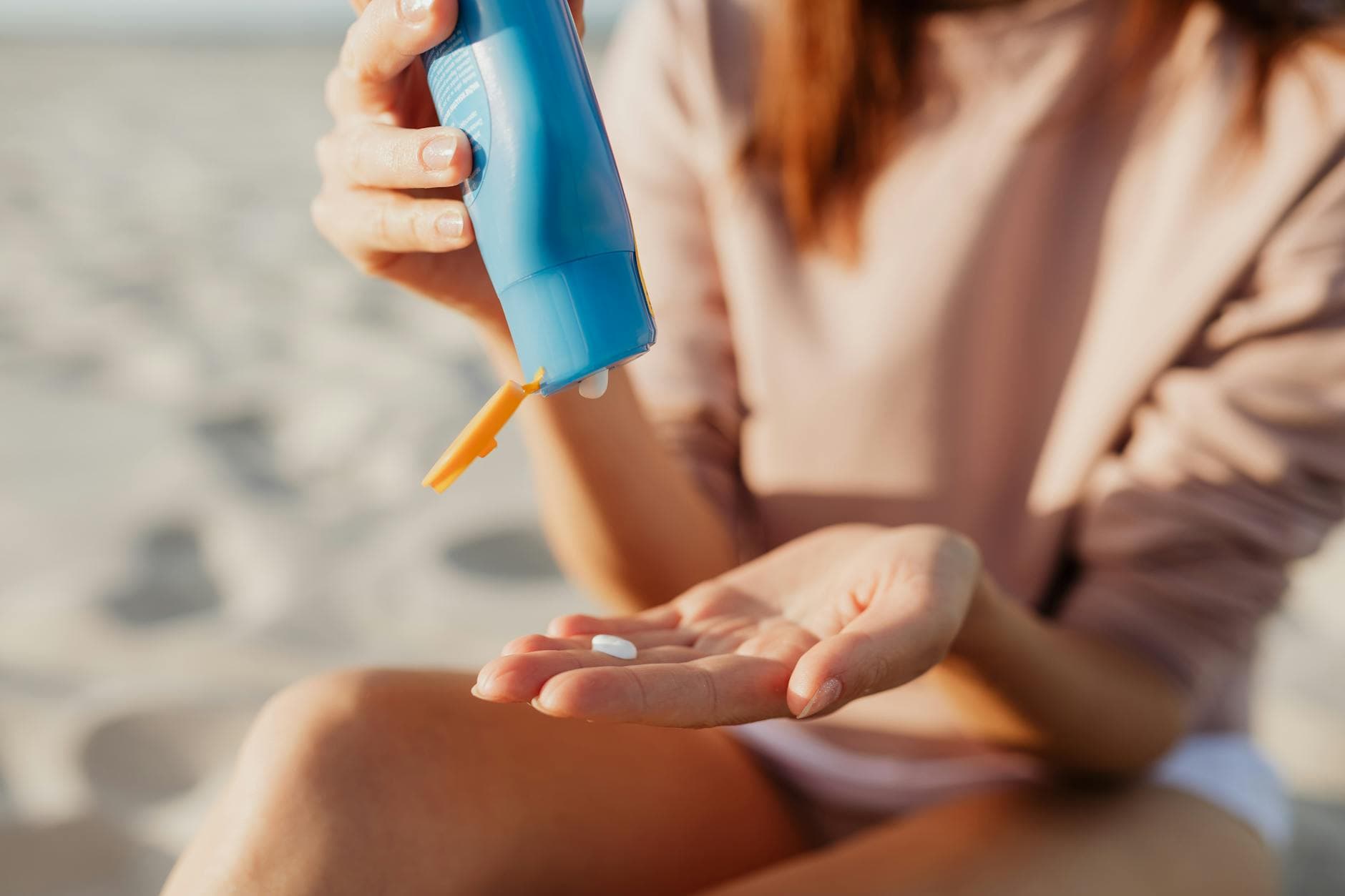
The same sunlight that helps regulate sleep also carries ultraviolet radiation, which public-health agencies warn can be dangerous. CDC says most skin cancers are caused by too much exposure to ultraviolet light, and UV rays are an invisible form of radiation from the sun. That makes sunlight a daily exposure people cannot ignore, even when the benefits are obvious.
This is where the public-health story becomes complicated. A morning walk, outdoor work, school recess, and time spent in the open all bring the body into contact with the same force that helps keep the climate stable and the circadian system on track. But too much exposure, especially to UV, can damage skin and raise the risk of cancer, so the issue is not whether sunlight is good or bad. It is how to live with it safely.
Recent peer-reviewed research has pushed that conversation further by exploring possible links between sunlight exposure, sleep quality, and mortality. Those studies have also added weight to calls for guidance that reflects both the harmful and beneficial aspects of sunlight exposure. That broader framing matters because a one-note message about avoiding the sun can miss the ways people rely on daylight for health, work, and daily rhythm.
Why public health policy has to hold both truths
Sunlight sits at the intersection of medicine, environment, and social policy. It shapes the planet’s energy balance, helps maintain a livable climate, and cues the human body to follow a daily rhythm, yet it can also contribute to disease when exposure is too intense or too long. Public guidance has to reflect that tension instead of flattening it into a simple warning or a vague wellness slogan.
That is especially important for healthcare systems and public institutions. Skin-cancer prevention, sleep health, and environmental health are often treated separately, but sunlight links them. When guidance recognizes that light can improve circadian alignment while UV can injure skin, it becomes more useful for clinics, schools, employers, and families trying to make decisions in real conditions rather than ideal ones.
The equity dimension is impossible to miss. People do not all control their exposure in the same way, and any serious public-health approach has to account for that reality instead of assuming everyone can avoid the sun on command. Practical advice works best when it acknowledges that sunlight is part of ordinary life, not a niche concern, and when it respects the fact that the risks and benefits are distributed through daily routines, built environments, and access to healthcare.
Living with the Sun more intelligently
The clearest lesson is that sunlight is infrastructure for life. It powers the climate system, helps keep Earth habitable, and gives the human body a daily signal that organizes sleep and alertness. At the same time, it is a source of UV exposure that can contribute to skin cancer, which is why management matters as much as appreciation.
Seen this way, sunlight is not a poetic extra to modern life. It is a force that shapes ecosystems, bodies, and public health at once, and it deserves the same seriousness society gives to other forms of essential infrastructure. The challenge now is not to fear it or romanticize it, but to understand it well enough to use its benefits while reducing its harms.
This article was produced by Prism’s automated news system from verified source data, official records, and press releases, then run through automated quality and moderation checks before publishing. The system is built and supervised by the people who set the standards it runs under. Read our full AI policy.
Did this article answer your question?