U.S. airlines expand premium cabins to court high-paying travelers
Delta’s premium-seat revenue rose 6% to $10.6 billion while main-cabin revenue fell 4%, as U.S. airlines pour money into bigger luxury cabins.
Delta Air Lines said premium-seat revenue rose 6% in the first half of 2025 to $10.6 billion, even as main-cabin revenue fell 4% to $11.7 billion. The split captures how the largest U.S. carriers are rebuilding their business around travelers willing to pay more for space, service and speed.
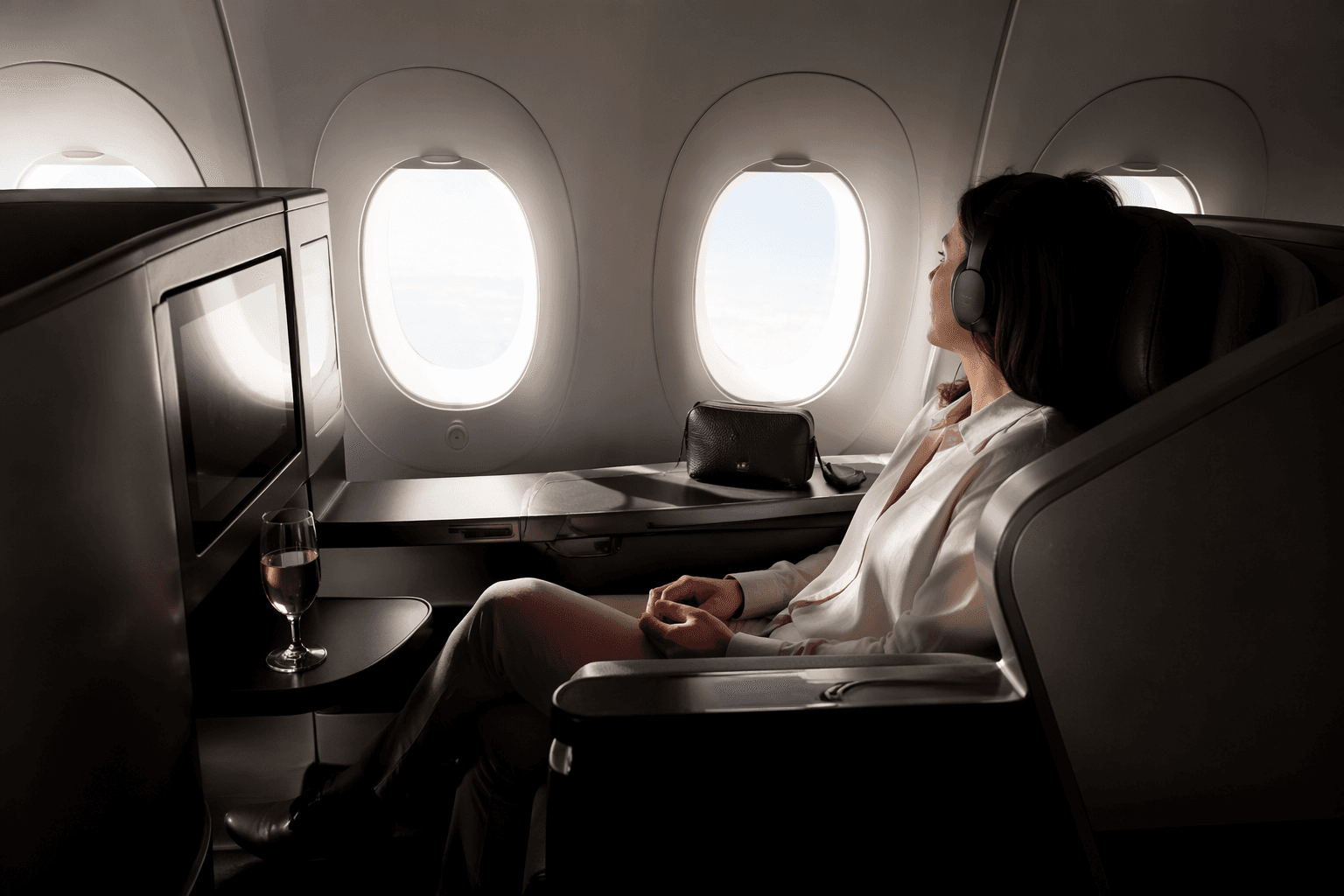
A flight that once felt broadly similar across the cabin is now split into two sharply different experiences. One passenger can move through priority security, wait in a private lounge, board early and settle into a wide seat with champagne and a warm towel. Another can face crowded lines, pay more for basics at the gate and end up squeezed into a narrower economy seat with fewer comforts and more fees.
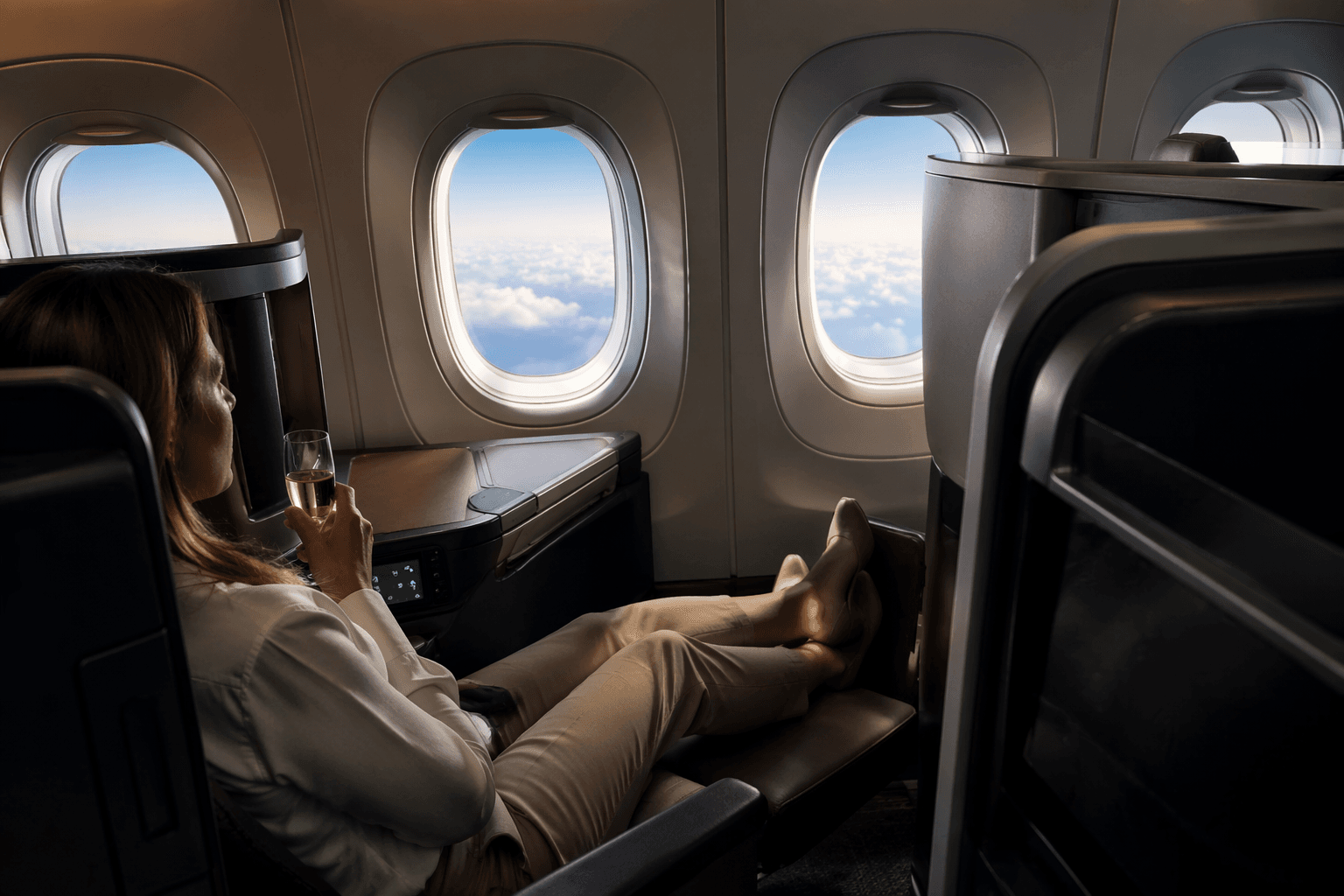
The shift is visible in the aircraft themselves. Delta’s next-generation Airbus A350-1000 jets arriving in 2027 will devote nearly half the cabin to premium seating. American Airlines expects to grow its lie-flat and Premium Economy seating by 50% by the end of the decade. Its new premium Boeing 787-9 has 51 Flagship Suite seats with privacy doors and chaise-lounge-style seating. United Airlines unveiled its Elevated interior for new Boeing 787-9s in May 2025 and said the aircraft will carry 99 total premium seats, the highest percentage among U.S. carriers, with at least 30 aircraft expected to join the fleet by 2027.
The premium push is also showing up in the numbers that matter most to investors. Delta said in its June quarter 2025 results that it delivered record revenue, a 13% operating margin and $1.8 billion in pre-tax profit. That helped cement premium cabins as a core profit engine, not a side business. Airlines are also extending the premium experience beyond the plane, investing in airport touchpoints that include lounges, early boarding and upgraded service.
Industry data show why carriers are leaning harder into the front of the plane. Since 2019, scheduled premium seats in the domestic U.S. market have increased 14%, compared with 4% growth in economy seats. Internationally, the International Air Transport Association said premium fares average about five times economy fares and account for roughly 15% of passenger revenue excluding ancillary income. IATA also said premium-class travel grew faster than economy travel in 2024.
For airlines, the strategy is a response to demand and margin pressure. For everyone else, it means the standard coach product is becoming more conditional, more crowded and more costly, while the most profitable seats keep expanding into the space once reserved for the rest of the cabin.
This article was produced by Prism’s automated news system from verified source data, official records, and press releases, then run through automated quality and moderation checks before publishing. The system is built and supervised by the people who set the standards it runs under. Read our full AI policy.
Did this article answer your question?