US airstrikes on alleged drug boats kill 202 in Pacific waters
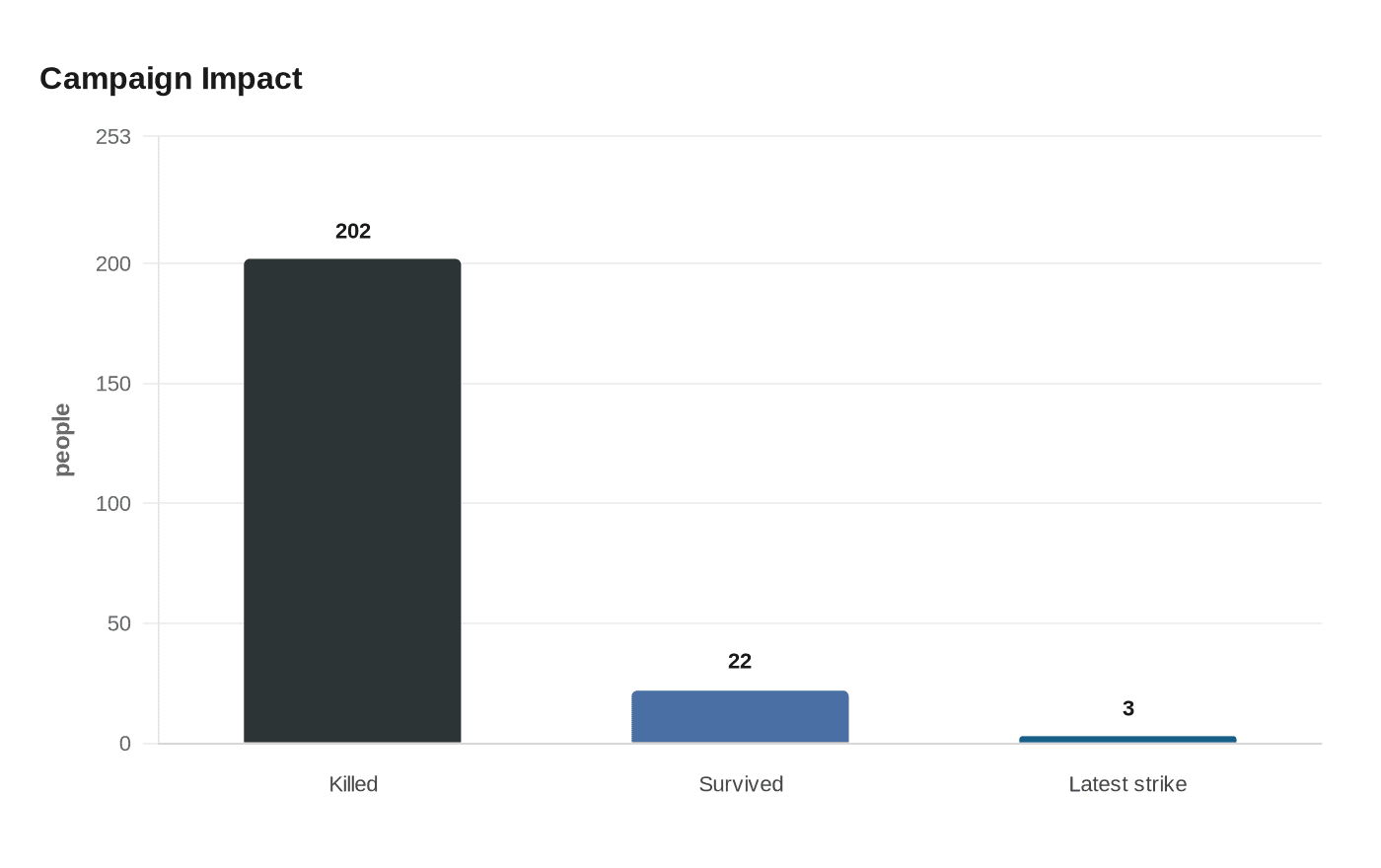
A May 31 strike in the eastern Pacific killed three men, pushing the toll to at least 202 and deepening fear in fishing towns across Colombia and Ecuador.
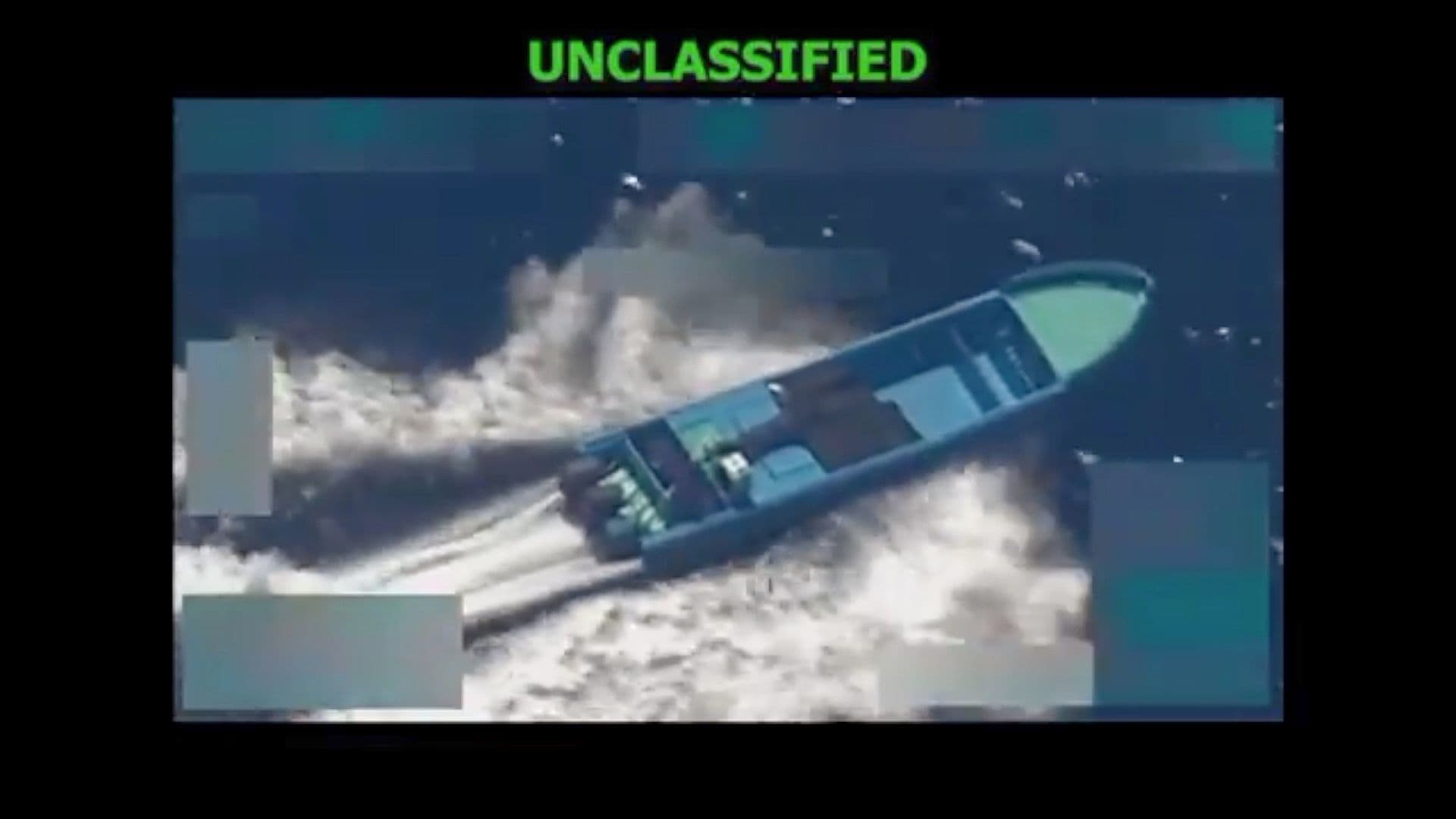
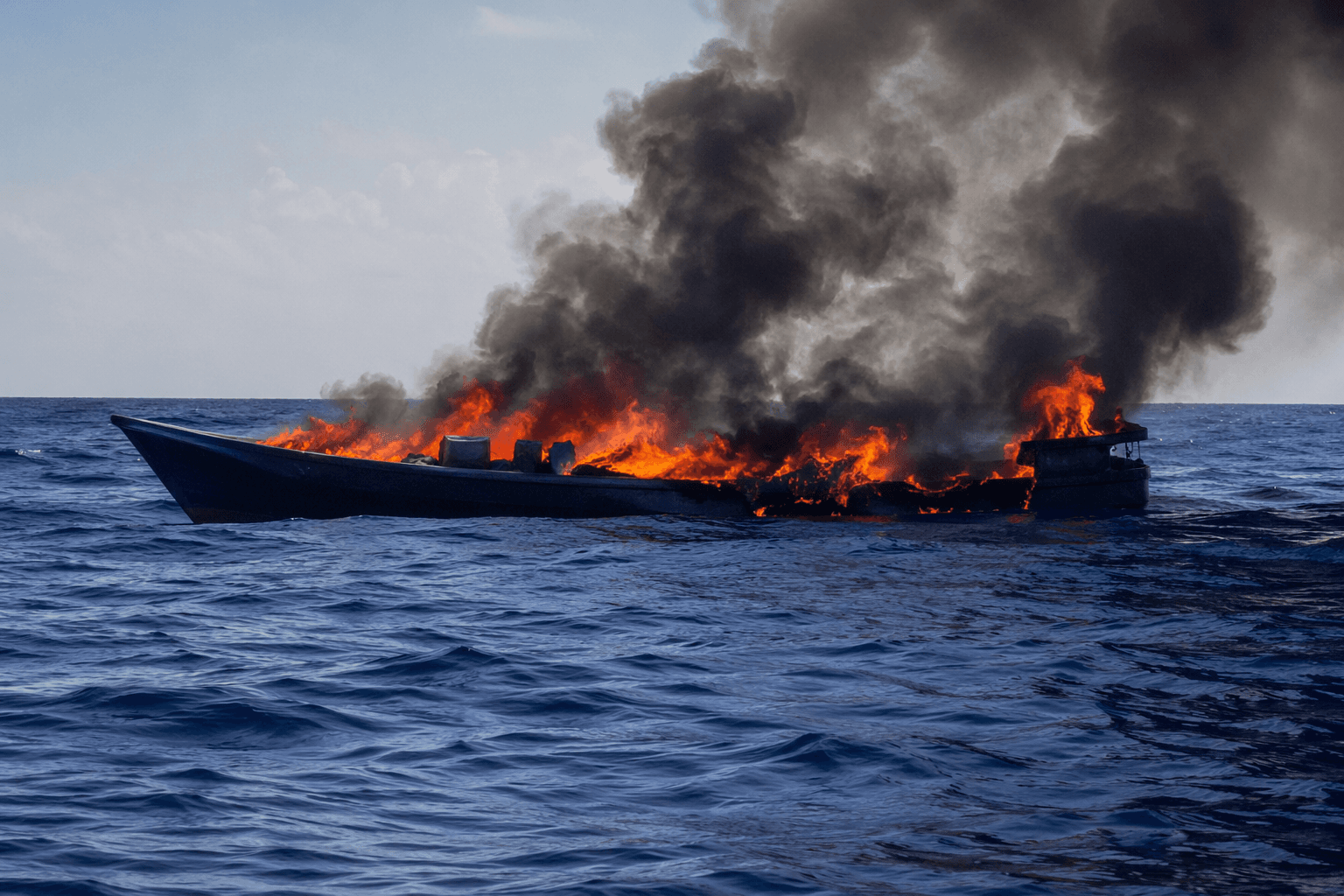
The airstrike campaign has killed at least 202 people in more than 60 strikes, but in coastal Colombia and Ecuador the deeper damage is showing up in empty docks, grounded boats and families rethinking whether the sea can still support them. The latest reported strike, on May 31, killed three men in the eastern Pacific, extending a campaign that began in early September 2025.
U.S. officials have described the attacks as strikes on boats tied to narcotrafficking along known smuggling routes. Yet few bodies have been recovered, and little physical evidence of drugs or debris has been made public. At least 22 people are reported to have survived an initial strike only to be struck again or die at sea, a pattern that has intensified alarm among residents who say small lanchas used by traffickers and fishers are often indistinguishable.
Legal experts say the strikes are unlawful because the military cannot deliberately target civilians, even suspected criminals, unless they pose an immediate threat. They also say there is no evidence the campaign has reduced cocaine reaching the United States. Researchers have said cocaine remains as easy to get in many parts of the United States as it was before the strikes began, underscoring the policy question at the center of the campaign: whether the enforcement gains justify the civilian and economic costs.
That question is also moving through the U.S. government. The Pentagon inspector general opened a self-initiated review on May 20 to examine whether the military followed the six-phase Joint Targeting Cycle, the framework used to plan and execute strikes. The watchdog review will not address whether the campaign is legal.
The human stakes are sharpest in the case of Alejandro Carranza, whose family filed a complaint with the Inter-American Commission on Human Rights on December 3, 2025, after he was allegedly killed in a Sept. 15 strike off Colombia’s Caribbean coast. President Gustavo Petro has publicly called the killing a murder and said Carranza was a fisherman with no ties to drug trafficking.
Across Colombia and Ecuador, residents say the campaign is hollowing out coastal life well beyond the death toll. In San Mateo, Ecuador, a seaside town of about 5,000 people, residents say many are avoiding the water altogether out of fear of U.S. strikes and traffickers who commandeer boats. The result is a growing distrust of authorities and a quieter, more precarious future for communities built around the ocean.
This article was produced by Prism’s automated news system from verified source data, official records, and press releases, then run through automated quality and moderation checks before publishing. The system is built and supervised by the people who set the standards it runs under. Read our full AI policy.
Know something we missed? Have a correction or additional information?
Submit a Tip