U.S. and China trade board to focus on non-sensitive goods
The new board would cover soybeans, Boeing jets and medical devices first, while high-tech and military-use goods stay off-limits.

The new U.S.-China trade board is being designed to handle the politically easier slice of commerce first: agricultural goods, energy goods, Boeing aircraft and medical devices. Jamieson Greer said the aim is to separate routine trade from national-security-sensitive business, with “sensitive goods” defined as high-tech items and products that can be used for military purposes.
That line matters because it points to a managed détente, not a broad reset. Greer also said Washington wants to discuss imports from China such as consumer goods and low-tech items, which means importers of everyday products could be among the first to see a difference if tariff relief is narrowed to non-sensitive lines. Consumers would feel any benefit unevenly, with savings more likely to show up in some household goods than in a sweeping drop across the shelves. A separate Board of Investment is also under discussion to review Chinese investment in the United States, while Sen. Jerry Moran described the proposed bodies as a way for non-sensitive transactions to proceed more routinely.
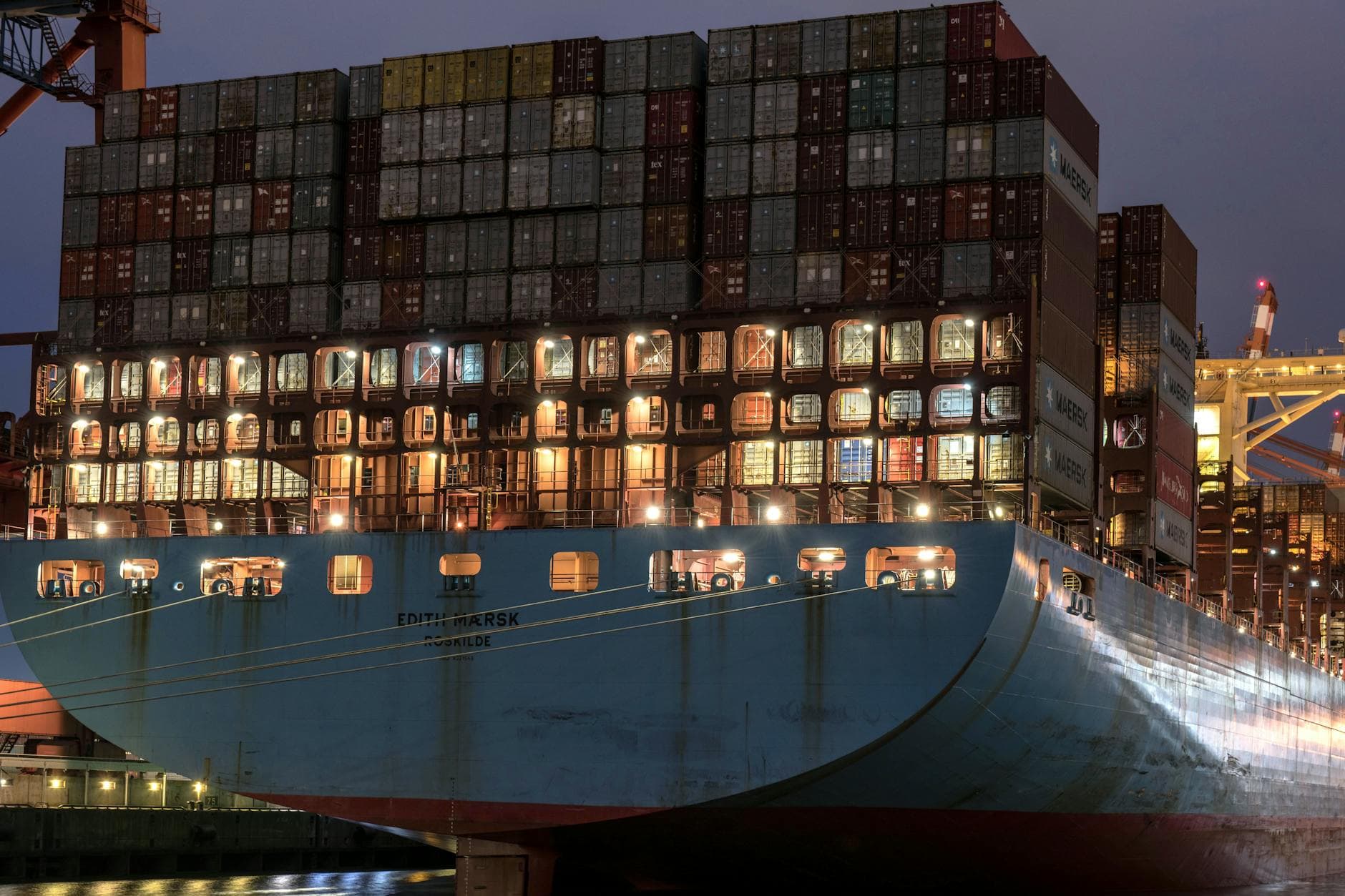
The framework fits a narrower tariff bargain that would leave the hardest restrictions intact. U.S. and Chinese negotiators have been weighing roughly $30 billion of goods that could see tariff cuts without crossing security red lines, while broad tariffs and export controls would remain in place on sensitive technologies. The board was first raised by Greer in March as a deliverable for a possible Trump-Xi summit, underscoring how central it has become to the administration’s effort to manage, rather than remake, the relationship.
The commercial stakes are already visible in the trade numbers. Two-way U.S.-China goods trade fell 29 percent to $415 billion from $582 billion in 2024, and the U.S. trade deficit with China dropped nearly 32 percent to $202 billion in 2025, the lowest level in two decades, Census data showed. Greer said China is expected to commit to double-digit-billion annual purchases of U.S. agricultural products over the next three years, and he said the basket would be broader than soybeans alone.
Boeing could be one of the biggest early winners if the framework holds. Trump said China had agreed to buy 200 Boeing jets, and the aircraft maker has been seeking major orders in China, where a 2017 deal announced during Trump’s first state visit was valued at $37 billion for 300 planes. For now, the board appears set to offer relief for farm exporters, aerospace suppliers and medical-device makers while leaving the core contest over technology, industrial policy and security unchanged. Washington’s tougher posture also remains in force, with hearings on Section 301 investigations into excess industrial capacity and definitive countervailing duties on new battery electric vehicles from China.
This article was produced by Prism’s automated news system from verified source data, official records, and press releases, then run through automated quality and moderation checks before publishing. The system is built and supervised by the people who set the standards it runs under. Read our full AI policy.
Did this article answer your question?

