US and China weigh formal AI talks ahead of Beijing summit
Washington and Beijing are weighing formal AI talks before Trump meets Xi in Beijing, elevating the technology into national-security diplomacy.
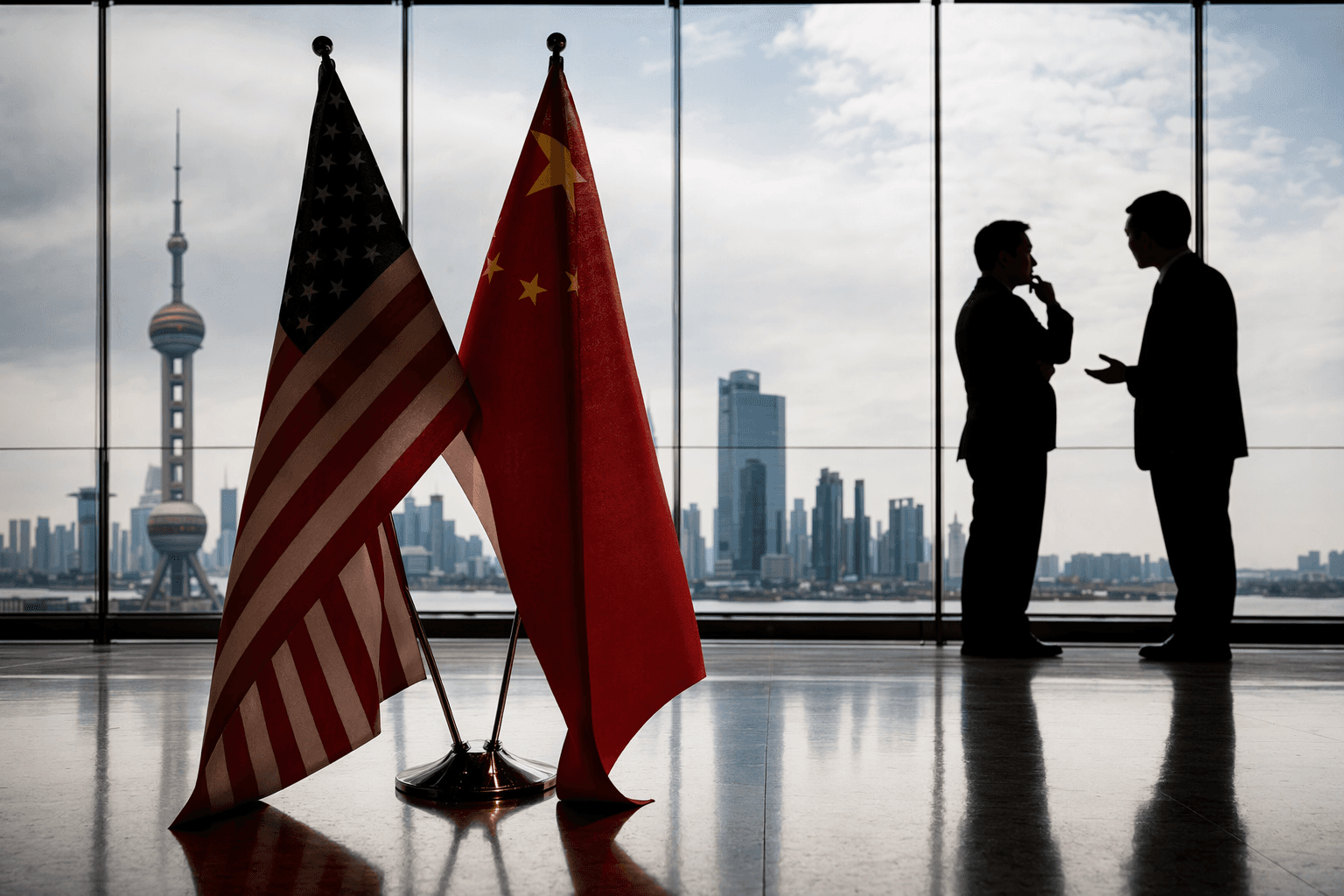
Artificial intelligence is moving from a private-sector race into the diplomatic core of the U.S.-China relationship, with Washington and Beijing weighing whether to put AI on the agenda for Donald Trump’s summit with Xi Jinping in Beijing.
Treasury Secretary Scott Bessent is leading the American side for the proposed discussions, while Beijing has not yet named its counterpart. The summit is set for May 14-15 in Beijing, and it would be Trump’s first trip to China in eight years. The timing matters: AI has become one of the most sensitive intersections of economics, national security and industrial policy between the world’s two largest economies.
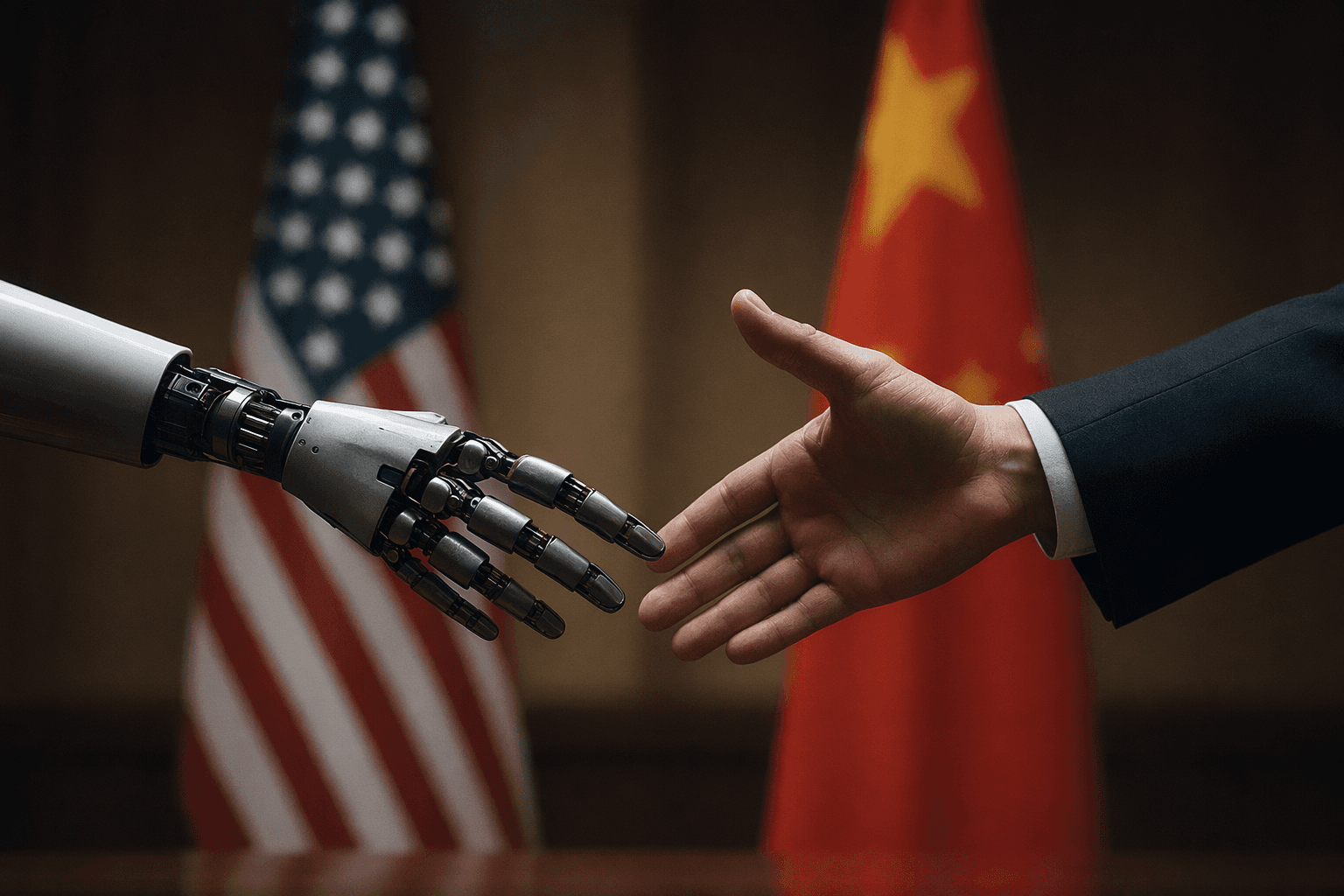
If the channel is formalized, the immediate purpose would likely be less about a sweeping deal than about managing risk. The two governments are already locked in competition over chips, data centers, model development and export controls. Putting AI in a leader-level diplomatic format would signal that both sides see the technology as too strategically important to leave to companies and regulators alone. It would also create a venue to reduce miscalculation, even as each side tries to secure competitive advantage.
The policy backdrop is already in place in Washington. The White House’s July 2025 AI Action Plan set out more than 90 federal policy actions across three pillars: accelerating innovation, building American AI infrastructure and leading in international diplomacy and security. That framework treats AI not just as an economic sector, but as a strategic asset tied to power projection, supply chains and standards-setting.
The summit would also build on a longer history of lower-level engagement. Since October 2019, the Brookings Institution and Tsinghua University’s Center for International Security and Strategy have convened a U.S.-China Track II Dialogue on Artificial Intelligence and National Security. Stanford’s summary says that dialogue had reached nine rounds as of February 2024, showing that the two countries have already been testing the contours of AI diplomacy outside formal government channels.
The agenda for Beijing is likely to be crowded. Bessent said Trump and Xi would discuss Iran at the meeting, and other sensitive issues, including Taiwan, are also expected to come up. In that context, AI fits a broader pattern: Washington is bundling trade, technology and security into one high-stakes summit, while Beijing weighs how much room it wants to allow for talks that could shape the rules of the next industrial era. If the channel opens, it would mark a clear recognition that AI is now a central instrument of statecraft.
This article was produced by Prism’s automated news system from verified source data, official records, and press releases, then run through automated quality and moderation checks before publishing. The system is built and supervised by the people who set the standards it runs under. Read our full AI policy.
Did this article answer your question?


