U.S. and Iran agree to pause strikes, meet in Qatar on Hormuz dispute
A fragile halt in U.S.-Iran strikes sent tankers back through Hormuz, but fresh attacks and a Tuesday Doha meeting kept the truce on edge.
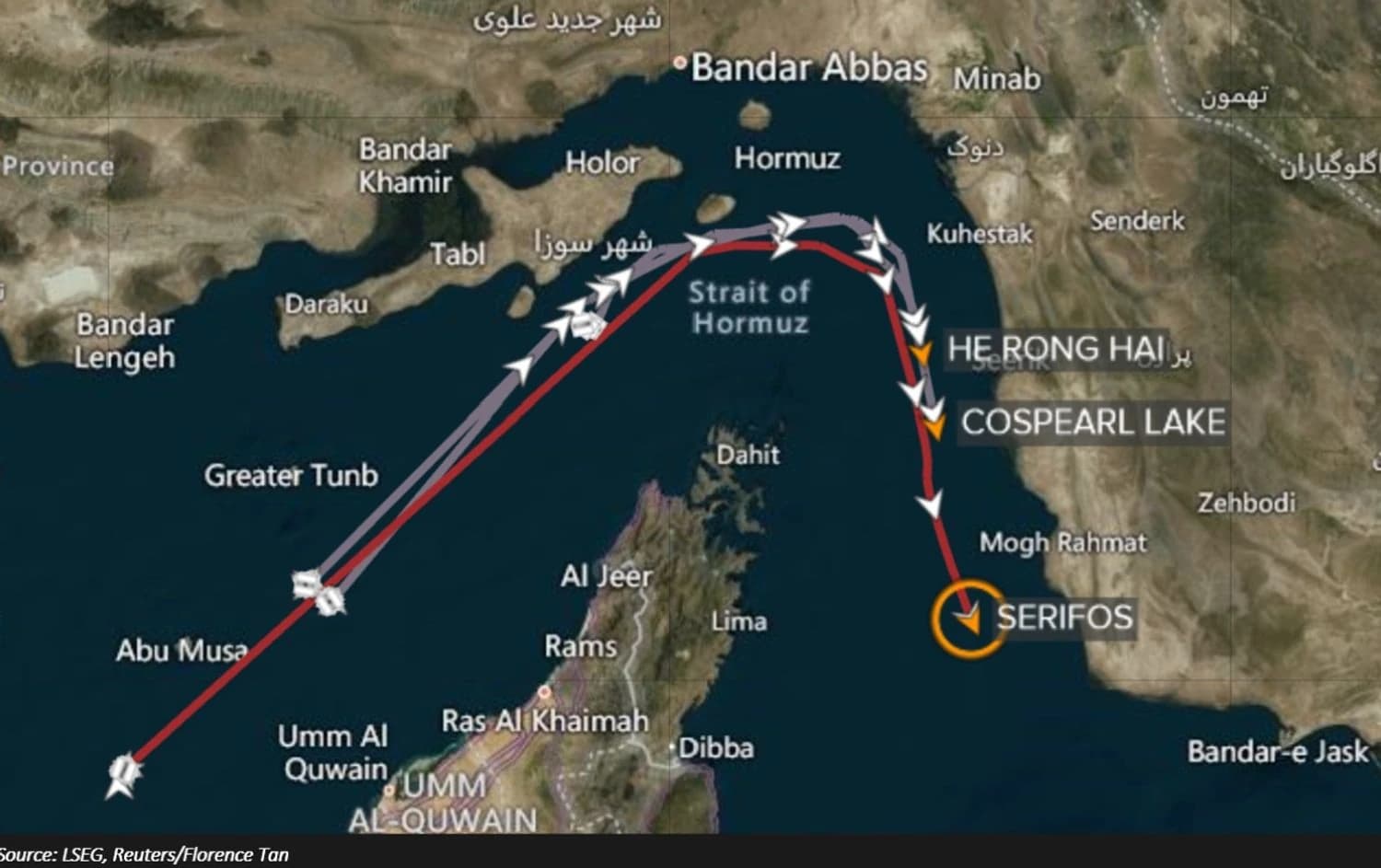
U.S. Central Command struck 10 Iranian military targets in and near the Strait of Hormuz after a drone hit the Panamanian-flagged tanker M/T Kiku, which was carrying more than two million barrels of crude oil. The United States and Iran agreed to stop attacking each other and were set to meet Tuesday in Qatar's capital, Doha, to work out their dispute over the Strait of Hormuz.
The renewed clashes followed an agreement on Sunday to pause hostilities and let commercial vessels transit the waterway freely, with technical talks set to continue on every part of the memorandum of understanding.
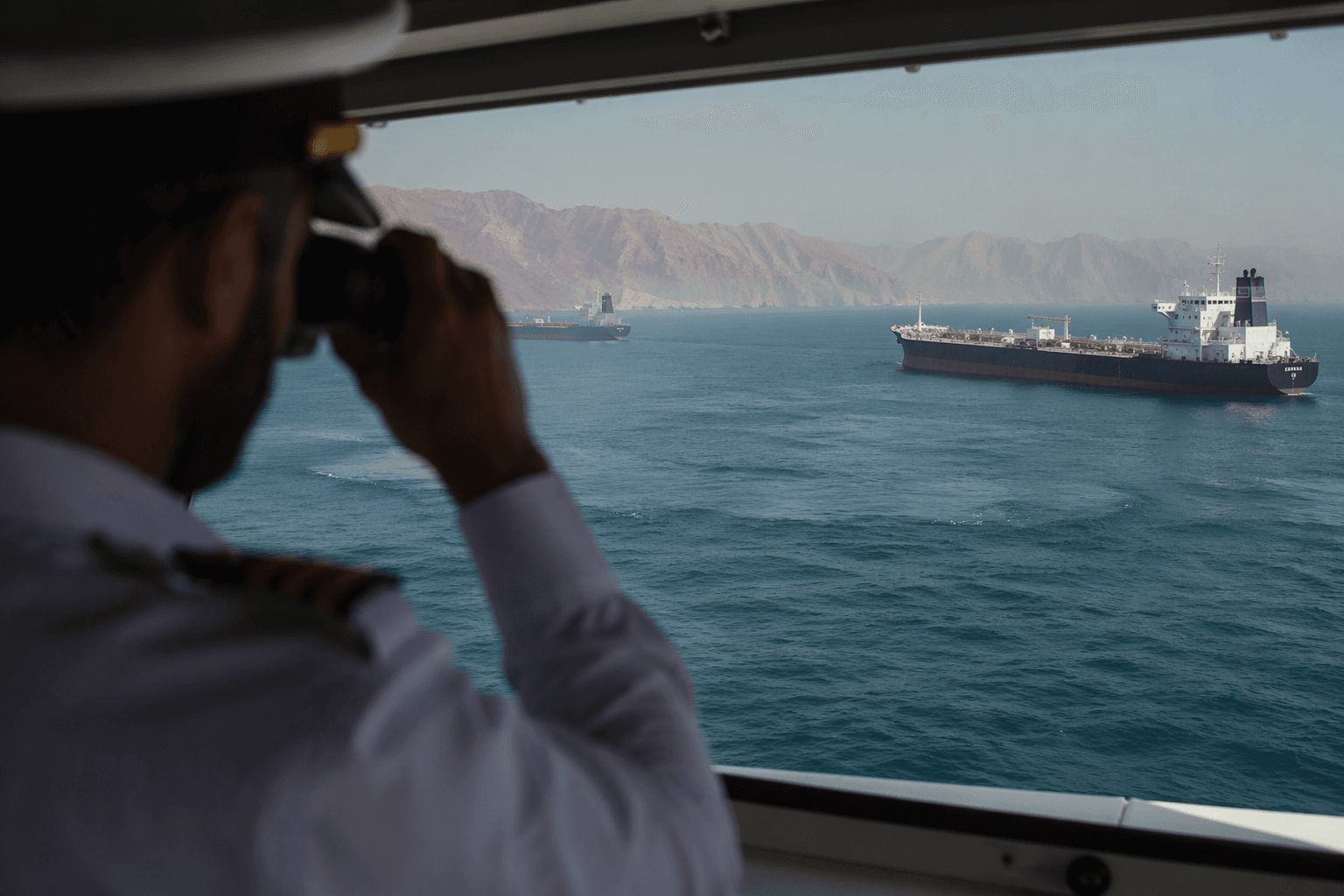
Before the fighting, the corridor carried about a fifth of global oil and natural gas traffic. In the week after the ceasefire, 125 vessels passed through the Strait of Hormuz, the highest weekly total since the war began in late February, although traffic remained below prewar levels. The International Maritime Organization paused its Gulf evacuation plan after an attack near Oman, while Iran warned ships not to use the southern route approved by the IMO and called any route established without Tehran's approval "unacceptable and dangerous."
An earlier June 15 understanding would have extended the shaky ceasefire and reopened the strait. It was expected to be signed in Geneva and gave 60 days to decide what to do about Iran's highly enriched uranium stockpile and nuclear program. Gulf states condemned Iranian missile and drone attacks as Kuwait and Bahrain came under fire, and President Donald Trump warned that the United States might have to "complete the job" if the situation deteriorated.
This article was produced by Prism’s automated news system from verified source data, official records, and press releases, then run through automated quality and moderation checks before publishing. The system is built and supervised by the people who set the standards it runs under. Read our full AI policy.
Did this article answer your question?