U.S. and Iran Dispute Whether Deal Protects Lebanon From Israeli Strikes
Pakistan says Lebanon is covered by the U.S.-Iran ceasefire; Trump says it isn't. Israel killed 254 people there hours after the deal was struck.
The ink on a U.S.-Iran ceasefire had barely dried when 50 Israeli fighter jets swept across Lebanon, dropping roughly 160 munitions on more than 100 targets in under 10 minutes. The strikes on April 8, 2026, codenamed "Operation Eternal Darkness," killed at least 254 people, hitting central Beirut during rush hour, the port city of Sidon, southern Tyre, and the eastern Bekaa Valley. Whether that carnage constitutes a ceasefire violation has now become the question threatening to unravel the entire diplomatic framework before it can take hold.
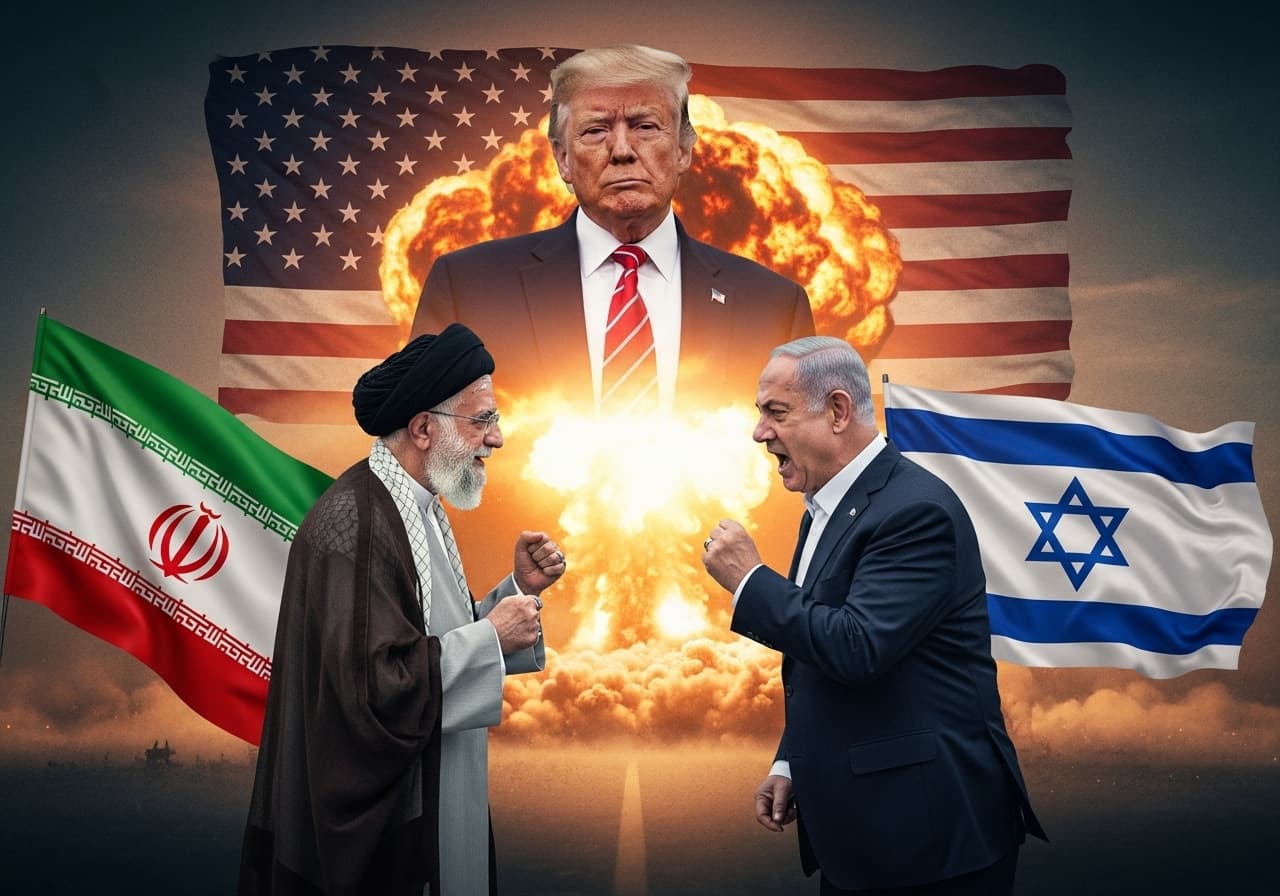
The answer depends entirely on whom you ask. President Trump called Lebanon a "separate skirmish," insisting it was never part of the deal he credited to Pakistani Prime Minister Shehbaz Sharif and Field Marshal Asim Munir. Prime Minister Benjamin Netanyahu's office confirmed Lebanon was excluded, and the IDF announced it would continue "targeted ground and aerial operations" there. But Sharif, the deal's lead broker, publicly contradicted both, asserting Lebanon was included. Iranian state media read the agreement the same way.
That gap is not a footnote; it is a fault line. Iran's Foreign Minister Abbas Araghchi accused the U.S. of violating multiple clauses of the ceasefire framework. Iranian Parliament Speaker Mohammad Bagher Ghalibaf said the U.S. violated at least three components. Tehran has threatened to pull out of follow-on negotiations scheduled for April 12 in Islamabad, where Vice President JD Vance is set to lead the U.S. delegation in talks centered on Iran's enriched uranium stockpile.
The competing incentives driving each position are not subtle. If Tehran accepts that the ceasefire applies only to direct U.S.-Iran hostilities, it effectively decouples its security commitments from Hezbollah, leaving its most capable regional proxy exposed to Israeli strikes with no diplomatic cover. For Washington and Jerusalem, acknowledging that Lebanon falls under the deal would constrain Israeli military operations against Hezbollah and hand Iran a concession it has not secured on the battlefield.
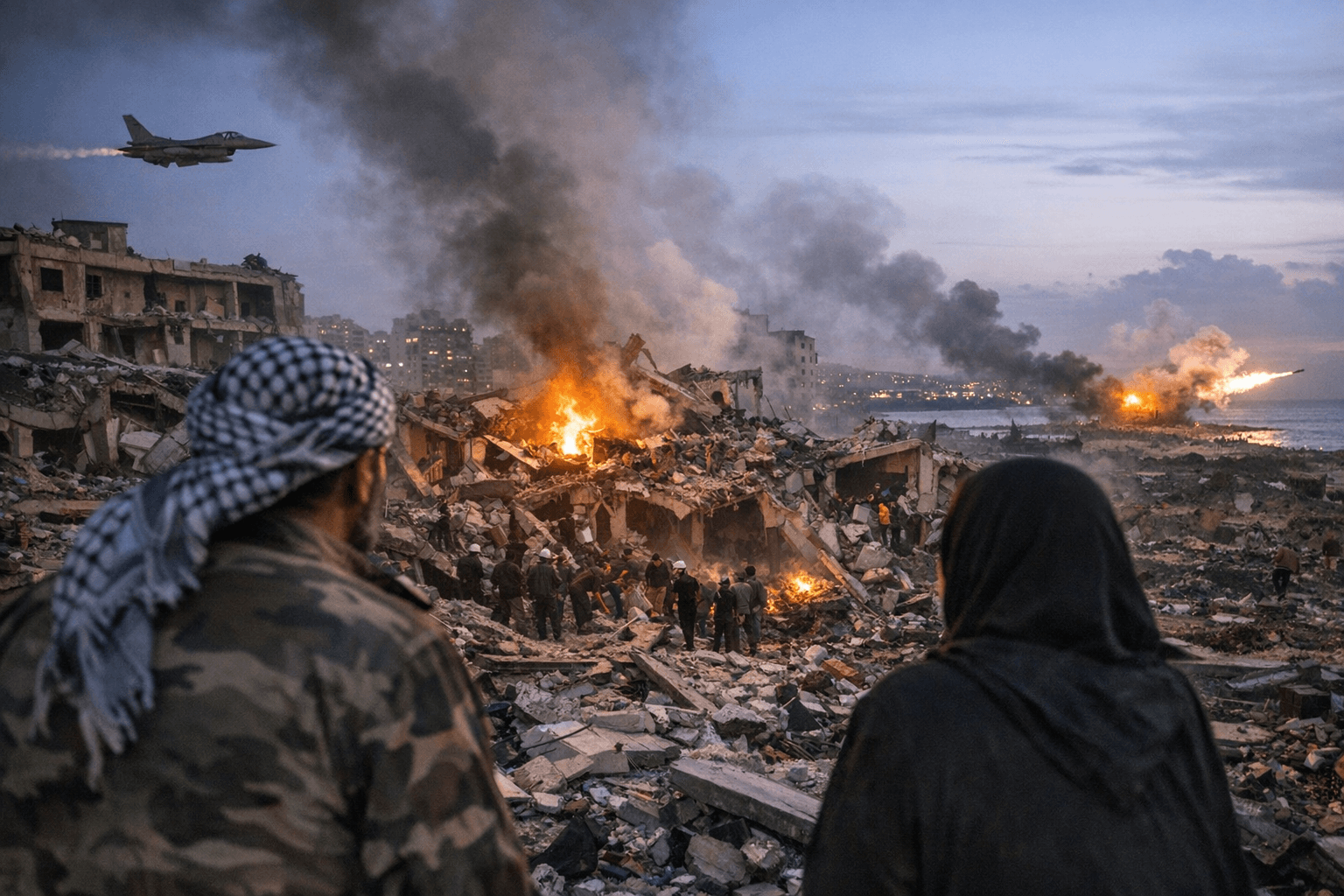
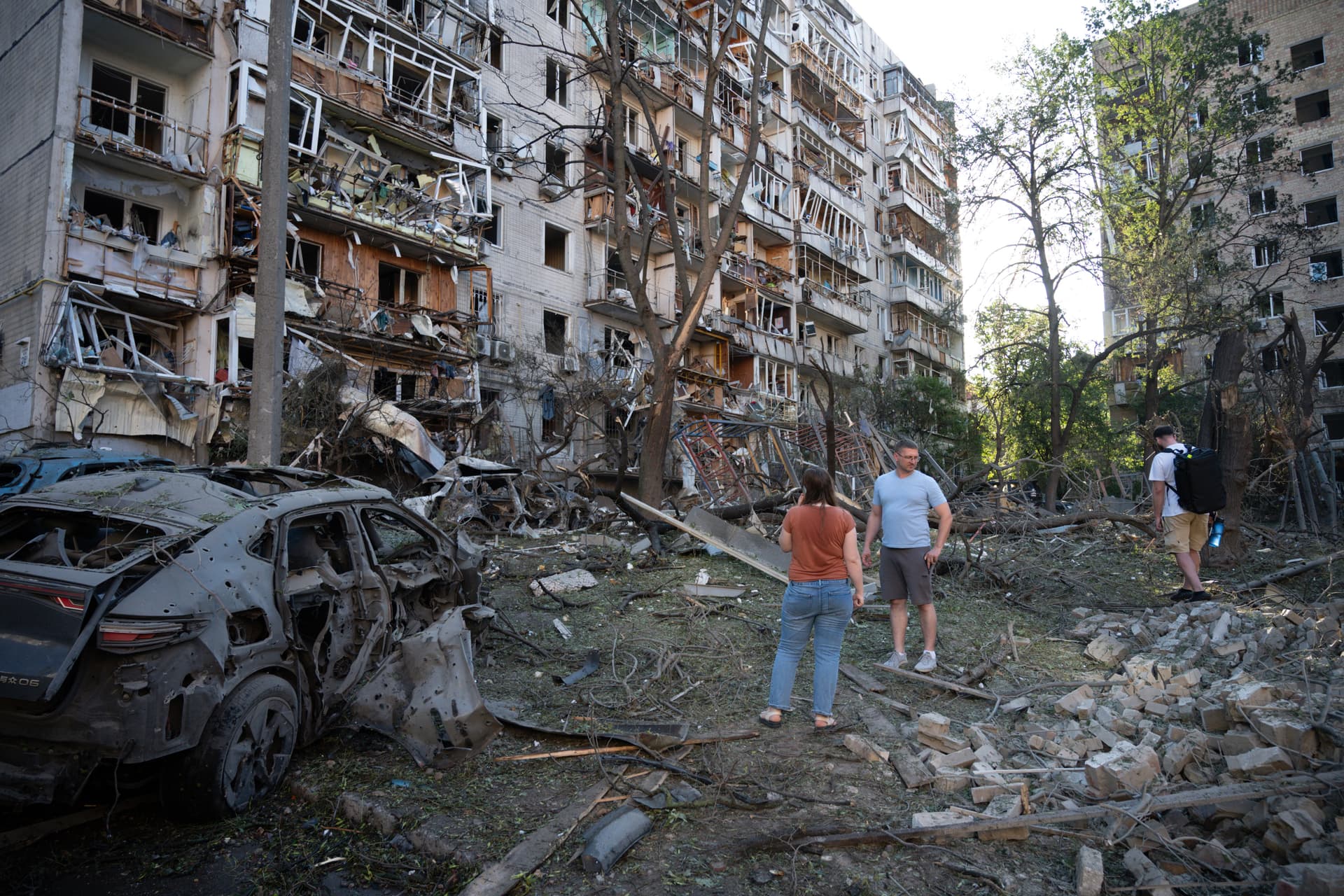
The human cost of that unresolved ambiguity is severe. Since the 2026 Lebanon war began on March 2, Lebanese authorities report more than 1,500 people killed, including 57 health workers, and more than 1.2 million displaced. The April 8 strikes hit at least five Beirut neighborhoods, including Corniche al-Mazraa, Basta, and Salim Salam, during the morning rush. Lebanon's Minister of Social Affairs Haneed Sayed called it a "very dangerous turning point," noting that half of all internally displaced persons sheltering in Beirut were in the targeted areas. UN High Commissioner for Human Rights Volker Türk did not soften his assessment: "The scale of the killing and destruction in Lebanon today is nothing short of horrific."
IDF Chief of Staff Lt. Gen. Eyal Zamir said Israel would continue to "utilize every operational opportunity" to strike Hezbollah. Vance, while suggesting Israel might "check themselves a little bit," acknowledged the arrangement is a "fragile truce" and that "ceasefires are always messy." Hezbollah has not confirmed whether it will abide by any truce. A Hezbollah official said publicly: "We will not accept for the Israelis to continue behaving as they did before this war with regards to attacks."
That statement points to a longer grievance. Before the 2026 war even began, the UN documented more than 10,000 Israeli violations of the November 2024 ceasefire, during which Israel killed more than 330 people in Lebanon, including at least 127 civilians. What the word "ceasefire" actually means for Lebanon has been contested for more than a year. Whether the Islamabad talks can survive that same ambiguity is now the pivotal test of the entire diplomatic effort.
This article was produced by Prism’s automated news system from verified source data, official records, and press releases, then run through automated quality and moderation checks before publishing. The system is built and supervised by the people who set the standards it runs under. Read our full AI policy.
Did this article answer your question?