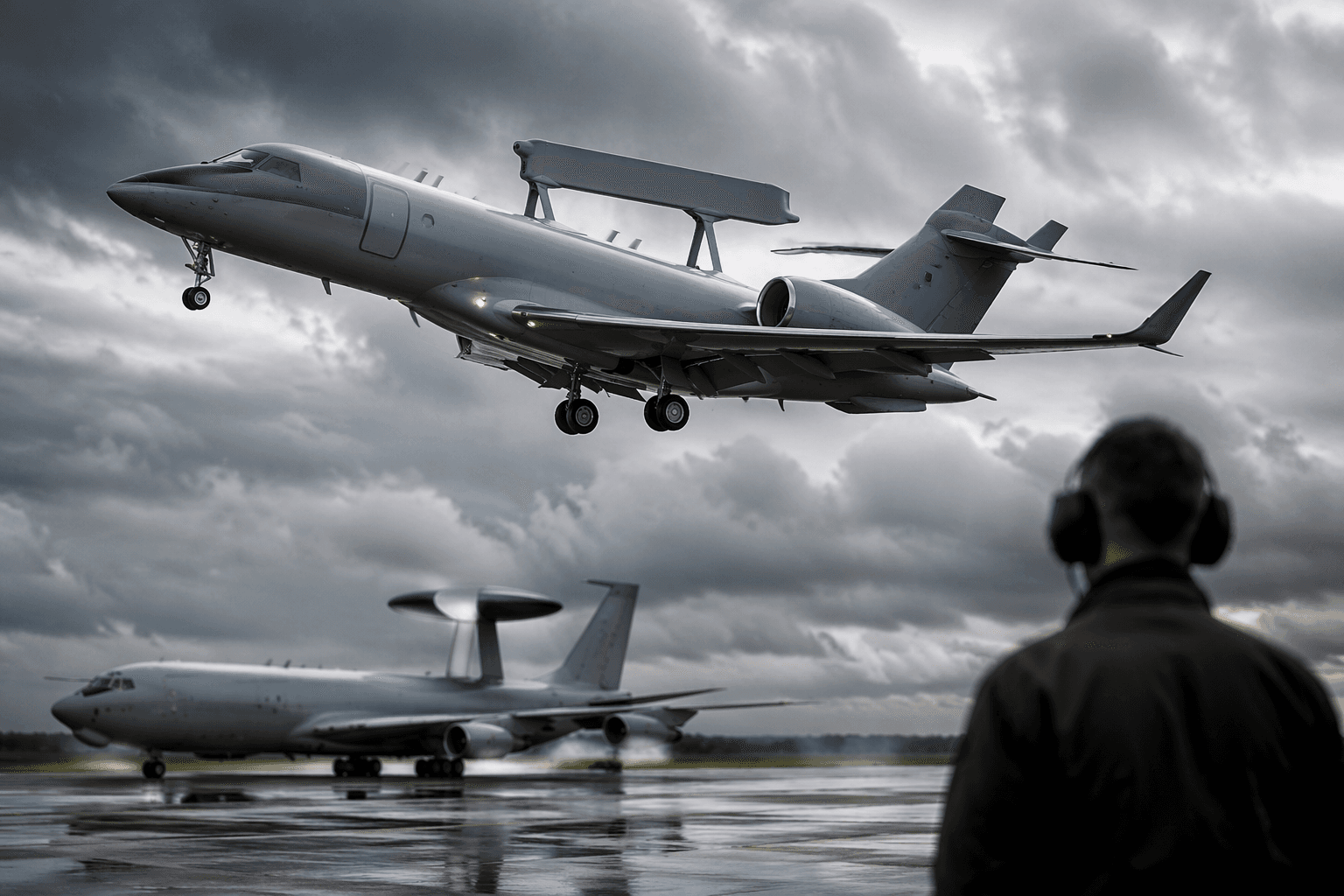
U.S. and Iran draft 30-day deal to ease Gulf war tensions
A one-page U.S.-Iran memo would have traded naval pressure in the Strait of Hormuz for 30 days of talks, while sanctions relief and frozen funds stayed unresolved.
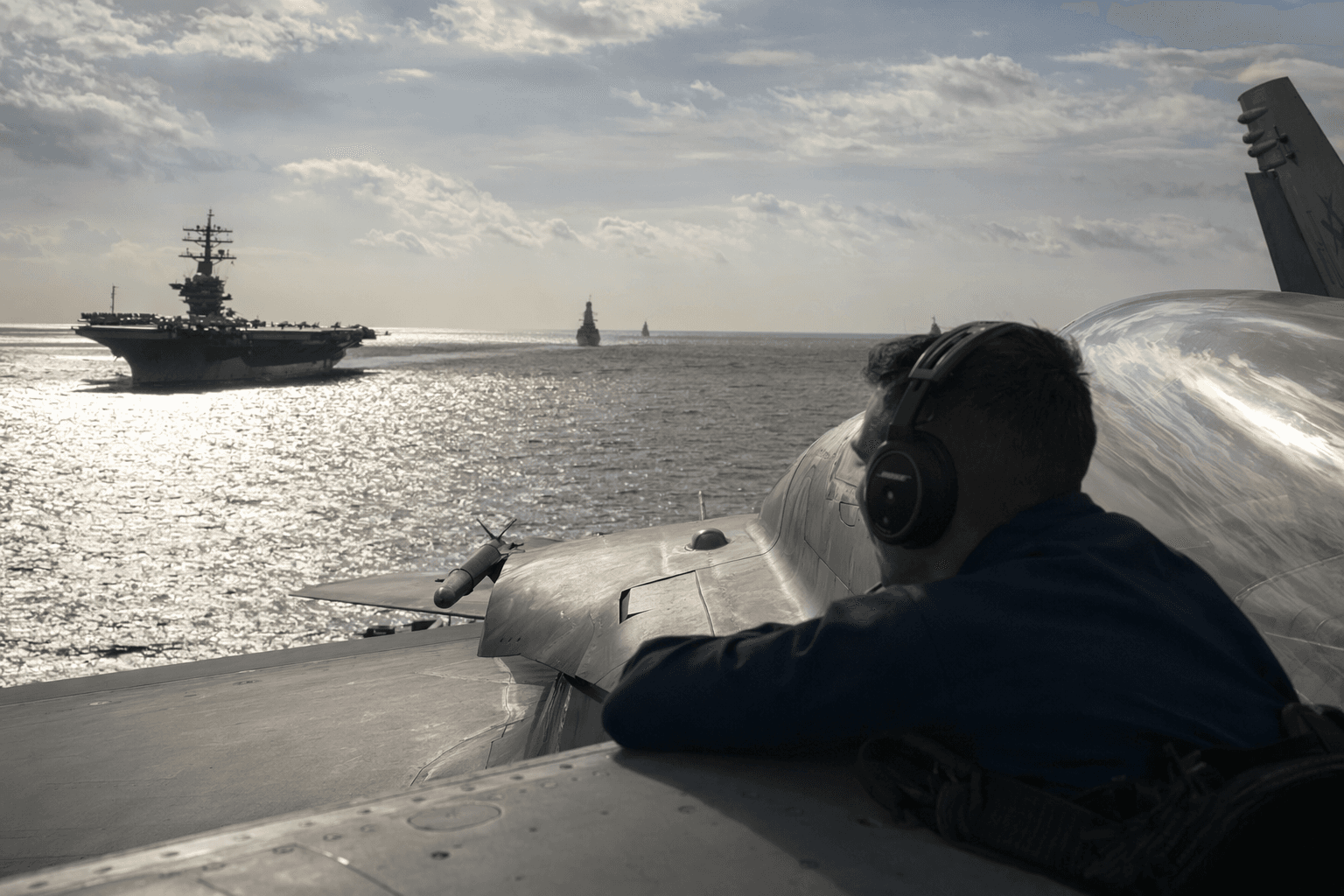
The proposed 30-day memorandum would have changed the conflict first at sea. The draft called for Iran to ease its grip on the Strait of Hormuz, while the United States gradually lifted its naval blockade of Iran’s ports, creating a short window for direct negotiation before the fighting could widen again.
In practical terms, the next month would have been a test of whether both sides could keep ships moving and keep missiles silent at the same time. The memo was not finalized, and one of the most sensitive unresolved points was Iran’s demand to charge a toll on transit through the waterway, a move that would have turned the world’s most strategic oil chokepoint into a bargaining chip. Officials said the text also left room for later talks on Iran’s nuclear program, rather than settling those details up front.
The proposal’s immediate value lay in what it would have paused, not what it would have solved. Reporting indicated that the draft could have included partial sanctions relief and the release of frozen Iranian funds, but those elements were still not agreed. Iranian and U.S. negotiators had exchanged multiple draft versions, and officials said Iranian responses on several key points were expected within 48 hours. President Donald Trump said Iran wanted to make a deal, but he was not satisfied with its proposal.
The bigger backdrop was the long-running nuclear fight that began to harden after the United States withdrew from the JCPOA in 2018. That dispute escalated sharply during the Twelve-Day War in June 2025, when targeted U.S. strikes hit Iran’s nuclear infrastructure. Since then, Washington had shifted from earlier positions that rejected phased plans toward a narrower, staged bargain built around the Strait of Hormuz first and the nuclear file later.
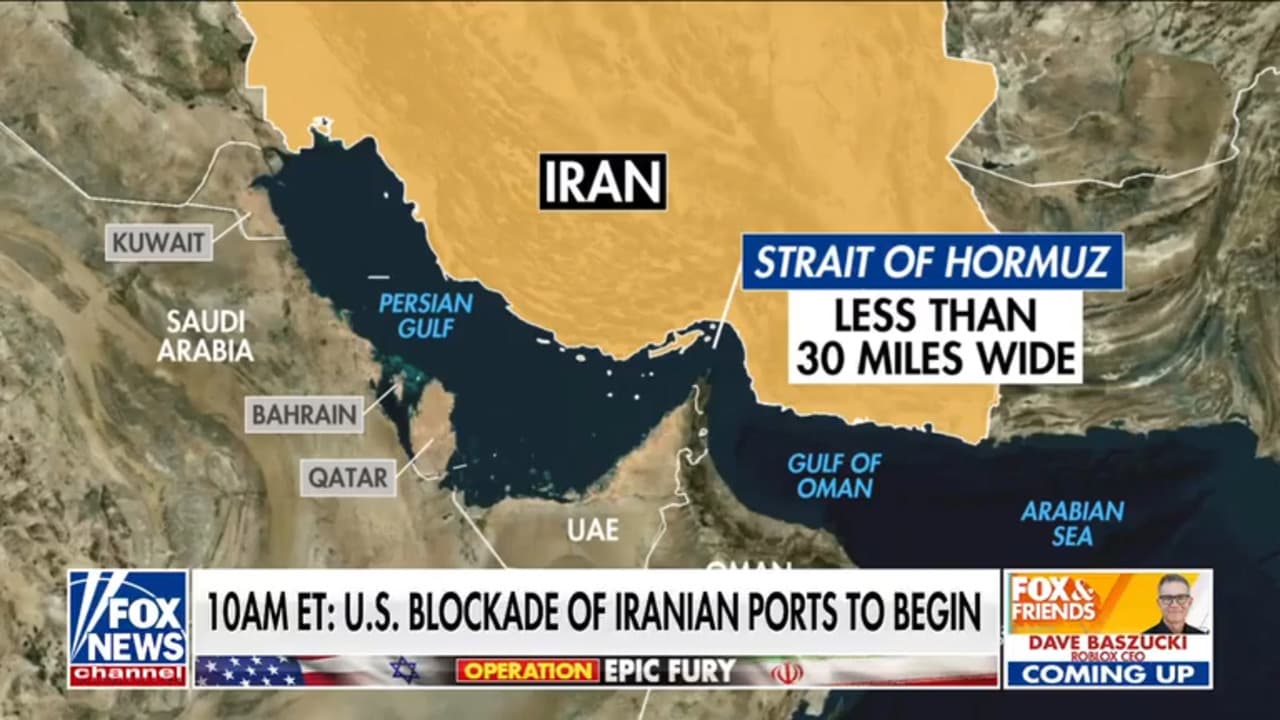
If the memo moved forward, the immediate effect on U.S. troops would have been a change in posture, not a withdrawal. The pressure point would have shifted from active maritime confrontation to monitoring a fragile ceasefire-like arrangement. For Gulf shipping, even a limited easing around Hormuz would have mattered fast, because every delay in that channel affects oil flows, freight rates, and insurer risk calculations across global markets.
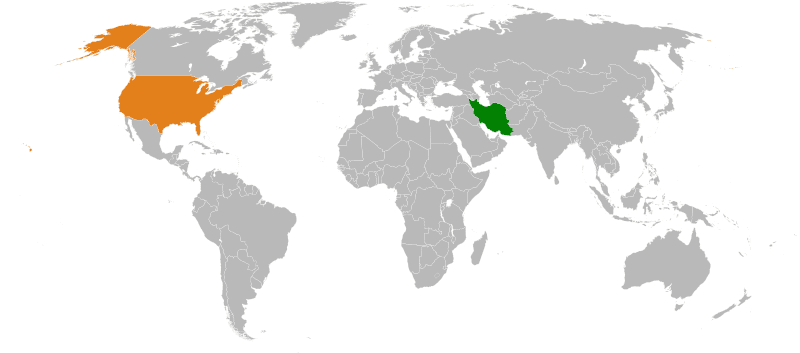
The deal would not have ended the broader regional risk. It would have bought time, and in the Gulf, time is often the difference between a contained crisis and a wider war.
This article was produced by Prism’s automated news system from verified source data, official records, and press releases, then run through automated quality and moderation checks before publishing. The system is built and supervised by the people who set the standards it runs under. Read our full AI policy.
Did this article answer your question?