US and Iran Near Deal to End War as Trump Seeks Exit
Trump is pushing a narrow memorandum with Iran, aiming to leave the war without calling it a retreat. The deal would punt the nuclear fight and lock in a fragile pause.
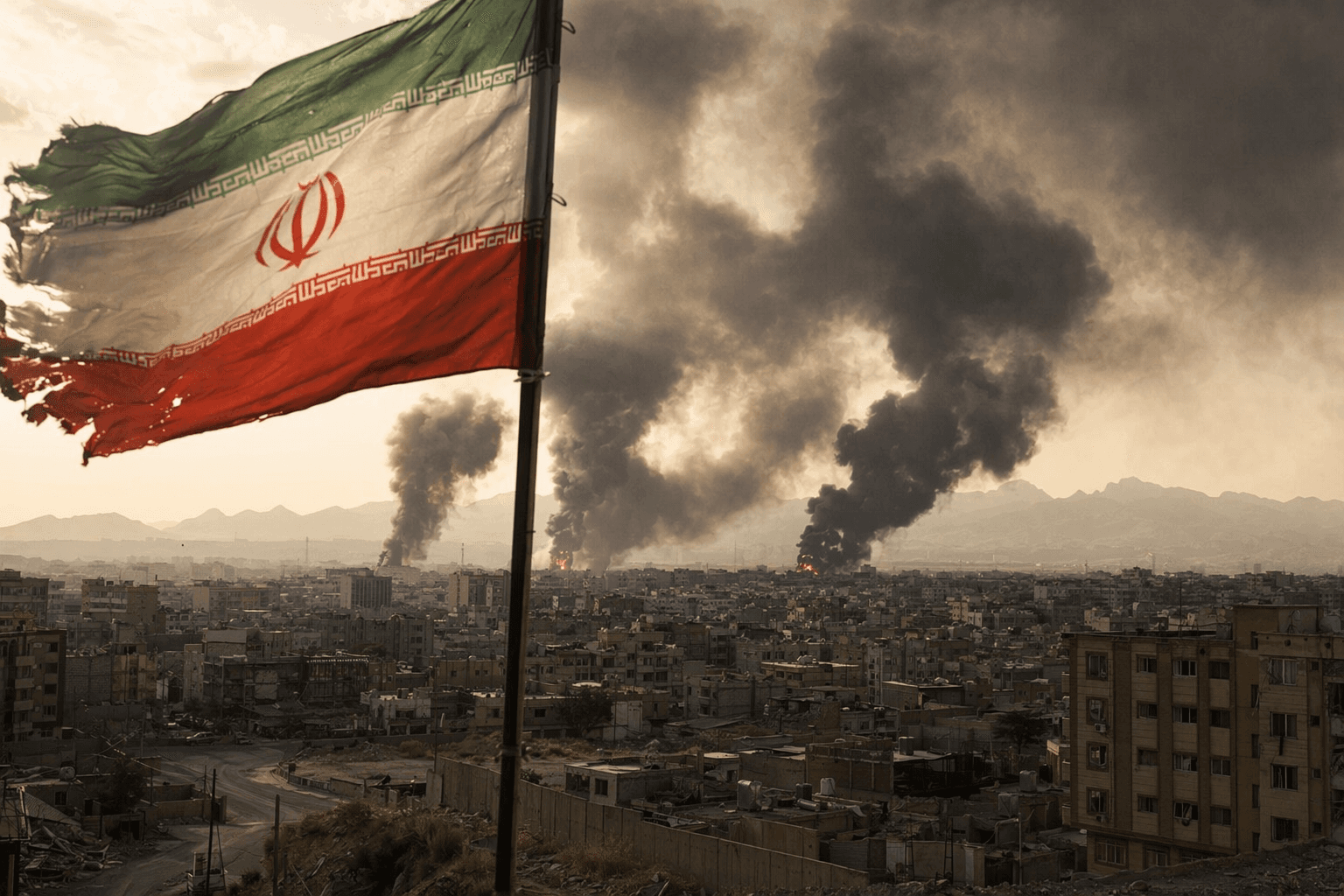
The White House is trying to turn a war-ending deal into an exit ramp. President Donald Trump is pressing for a narrow memorandum with Iran that would stop the fighting first and postpone the most combustible question, Tehran’s nuclear program, a structure that lets him claim progress even as the agreement shrinks from his earlier demands.
The push comes as the conflict has driven up energy prices and eroded Trump’s political standing. Iran said it was reviewing a new U.S. proposal, and sources said the two sides were closing in on a one-page memorandum to end the war in the Gulf. That draft would leave the hardest issues for later talks, signaling that both governments are moving away from the sweeping settlement language that defined the opening phase of the crisis.
The contrast with Washington’s earlier posture is sharp. The U.S. had presented a 15-point framework that reportedly demanded full reopening of the Strait of Hormuz and an end to Iran’s nuclear program. Iran’s own proposal, by contrast, focused on ending hostilities first and left the nuclear issue unresolved. Iranian officials have described their line as a ceasefire-first approach, while Trump has publicly signaled that Iran’s offer has not gone far enough. He has also weighed whether additional strikes would follow if diplomacy fails, underscoring how limited the room for maneuver has become.
Iran was expected to submit its response on Thursday after receiving the U.S. reply to its latest proposal through Pakistani mediation channels. The exchange reflects a rapidly narrowing negotiation, one built less on a comprehensive peace and more on a tactical pause. A fragile ceasefire began on April 8, 2026, after U.S. and Israeli attacks on Iran on February 28, 2026, but clashes at sea and around the Strait of Hormuz have continued to threaten the truce.
That waterway carries roughly one-fifth of global oil and gas exports, giving the talks a significance far beyond Washington and Tehran. Any deal that eases pressure there could steady shipping, energy markets and sanctions policy, even if it leaves the nuclear file unresolved. China has also entered the diplomacy, pushing Iran toward negotiations while seeking leverage of its own, a factor that may matter more as Trump prepares for a planned trip to Beijing.
This article was produced by Prism’s automated news system from verified source data, official records, and press releases, then run through automated quality and moderation checks before publishing. The system is built and supervised by the people who set the standards it runs under. Read our full AI policy.
Did this article answer your question?


