U.S. and Iran near deal to launch long-term peace talks
U.S. and Iran edged toward a deal as oil routes, inflation and war costs hung in the balance. A breakthrough could ease fuel and shipping pressure; a collapse could quickly reverse it.
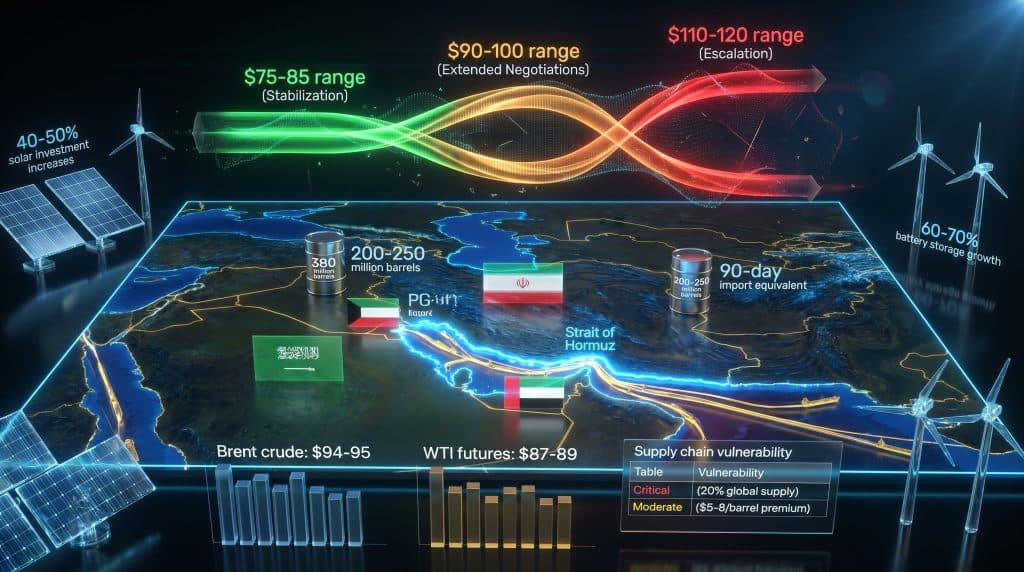
The U.S. and Iran were closer than they had been in months to an agreement that could open long-term peace talks, but the economic stakes were already clear on kitchen tables from Texas to Tokyo. A durable deal would not just be a diplomatic milestone. It could also help steady oil markets, lower shipping risk and ease some of the pressure that has fed higher prices across the economy.
Reuters said negotiators were near the finish line of a deal aimed at ending a three-month war, with a signing possible in the coming days. CBS News, however, reported that Iran said it had not yet reached a final conclusion even after President Donald Trump said an agreement would be signed soon. That gap underscored how fragile the talks remained, especially with unresolved questions still hanging over nuclear and missile programs, the Strait of Hormuz and sanctions relief.

That strait is where the deal’s economic meaning becomes most concrete. The U.S. Energy Information Administration said about 20.9 million barrels per day of oil flowed through the Strait of Hormuz in 2023, roughly 20% of global petroleum liquids consumption, and about one-fifth of global LNG trade also moved through the waterway. Any easing of tensions there could reduce the risk premium built into oil and gas markets, which would matter for gasoline prices, diesel costs, home heating bills and freight rates. Any breakdown, by contrast, could quickly send shippers and traders back to pricing in disruption.
The last major diplomatic template came on July 14, 2015, when the U.S., Iran, the other P5+1 powers and the European Union reached the Joint Comprehensive Plan of Action. On January 16, 2016, Implementation Day followed, after Iran’s nuclear-related measures were verified and sanctions relief began. That history still shapes expectations in Washington, where officials have long treated a limited deal as a way to trade restrictions on Iran’s nuclear activity for relief that can be phased and monitored.
The war’s cost is another reason the negotiations carry more than symbolic weight. Harvard Kennedy School says Linda Bilmes estimates the conflict costs the United States about $2 billion a day and at least $1 trillion overall. CNBC reported in April that Bilmes said the total could reach $1 trillion and that early Pentagon estimates undercounted the full cost. For taxpayers, that means peace would not only affect headlines and missile alerts. It could also change the path of defense spending, emergency deployments and the long bill for keeping the Middle East from tipping into a broader conflict.
This article was produced by Prism’s automated news system from verified source data, official records, and press releases, then run through automated quality and moderation checks before publishing. The system is built and supervised by the people who set the standards it runs under. Read our full AI policy.
Know something we missed? Have a correction or additional information?
Submit a Tip