Myanmar's mine crisis surges, civilians and children bear the brunt
Bu Ri lost a leg to a mine decades ago, and six more relatives later joined Myanmar’s casualty count as the war spread landmines across 211 townships.
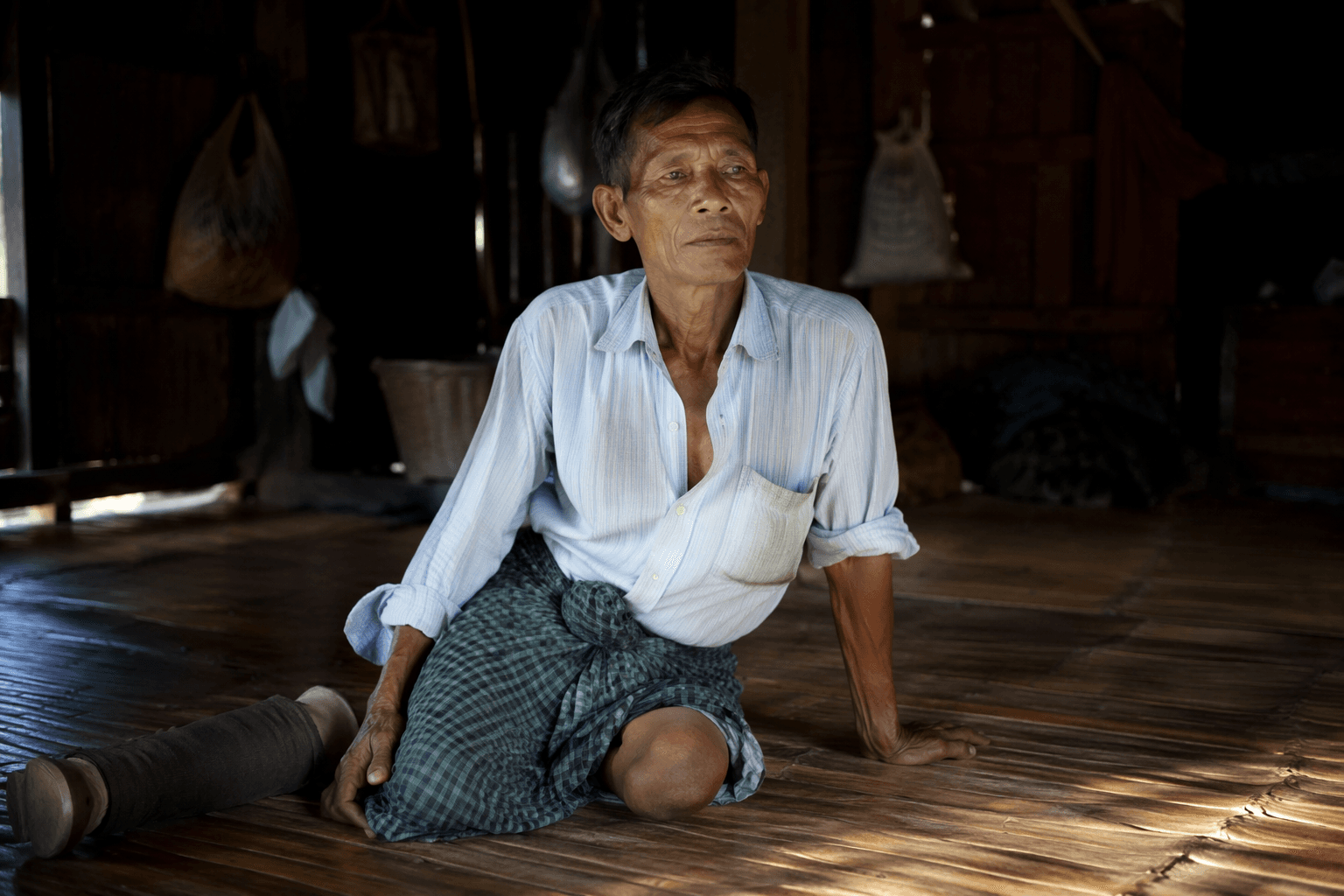
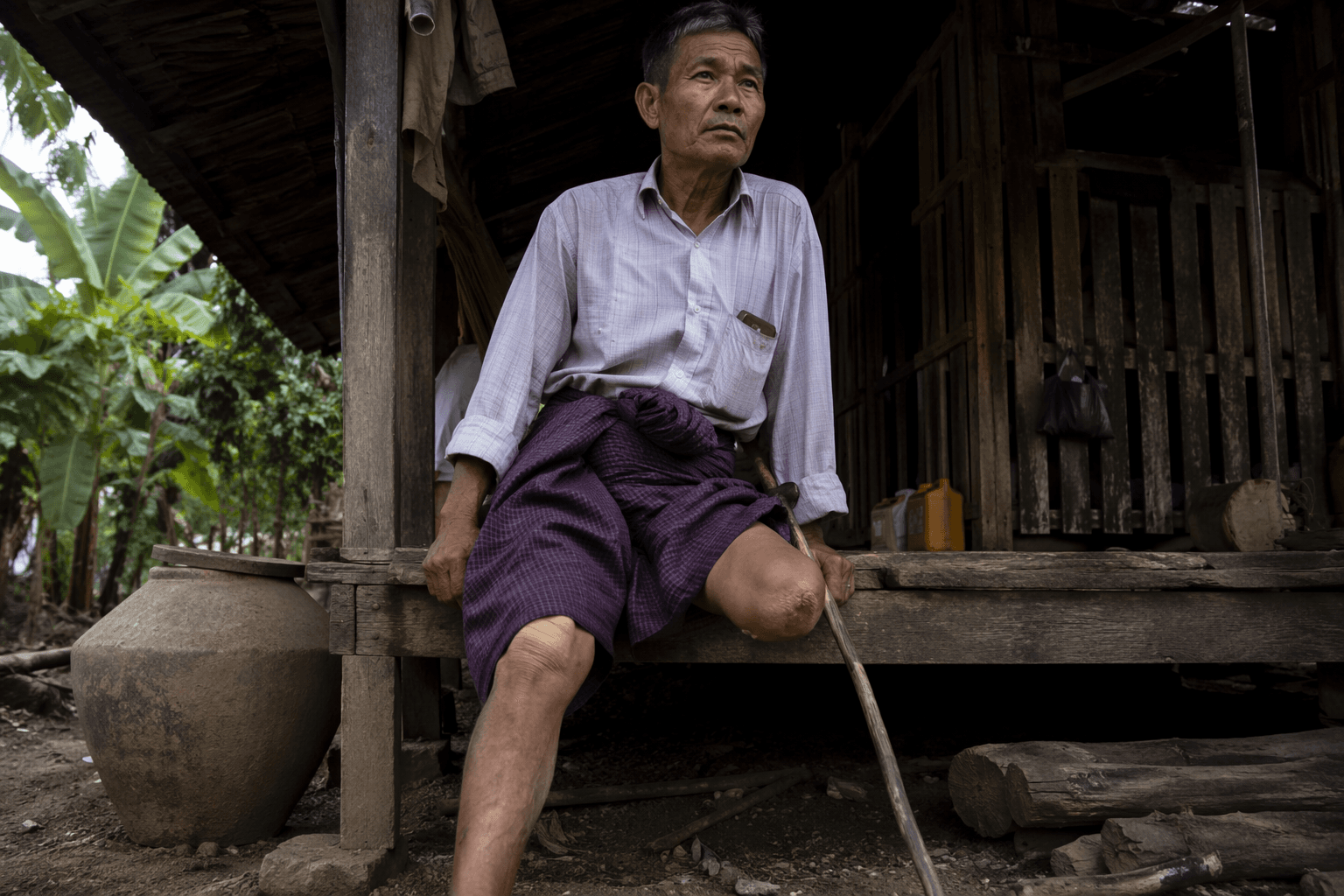
Bu Ri lost a leg to a mine in Myanmar decades ago. Since then, six other members of his family have suffered the same kind of injury or worse, a grim measure of how the country’s civil war keeps maiming civilians long after the front lines shift.
The scale of the crisis has surged since the military’s February 2021 coup. Human Rights Watch says Myanmar is now one of only four countries actively using antipersonnel mines, alongside Russia, Iran and North Korea, and that the Myanmar Armed Forces have sharply expanded their use during the fighting. The result has been devastating for civilians. UNICEF reported 1,052 verified civilian casualties from landmines and explosive ordnance in 2023, with more than 20% of the victims children.
The violence did not ease in 2024. UNICEF recorded 889 mine and explosive-ordnance casualties in Myanmar in the first nine months of the year, already 85% of the full-year total reported in 2023. The Landmine Monitor’s 2025 report, which covers calendar year 2024, said Myanmar logged 2,029 mine and explosive-remnants casualties, the highest in the world for a second straight year. It said 86% of those casualties were civilians. Cumulative recorded casualties in Myanmar since 1999 have reached 9,206.
The spread of contamination has widened the danger far beyond the country’s battlefields. By October 2025, suspected mine contamination had been reported in 211 of Myanmar’s 330 townships, a sign that farmers, children and displaced families are living with hidden explosives across much of the country. The Mine Ban Treaty entered into force on March 1, 1999, but Myanmar has never acceded to it and continues to produce and use antipersonnel mines.
The human toll does not end with amputations. UN experts said in November 2024 that the junta was compounding the damage by harassing amputees and blocking access to prosthetics, turning survivable injuries into lifelong punishment. For families like Bu Ri’s, the mines have become a generational threat, showing how civilian suffering in Myanmar now extends far beyond the reach of any ceasefire or headline cycle.
This article was produced by Prism’s automated news system from verified source data, official records, and press releases, then run through automated quality and moderation checks before publishing. The system is built and supervised by the people who set the standards it runs under. Read our full AI policy.
Know something we missed? Have a correction or additional information?
Submit a Tip