U.S. and Iran edge from war toward a fragile peace
U.S. strikes opened a war with Iran on Feb. 28, then a ceasefire and Strait of Hormuz reopening emerged by April 8, with nuclear talks still hanging by a thread.
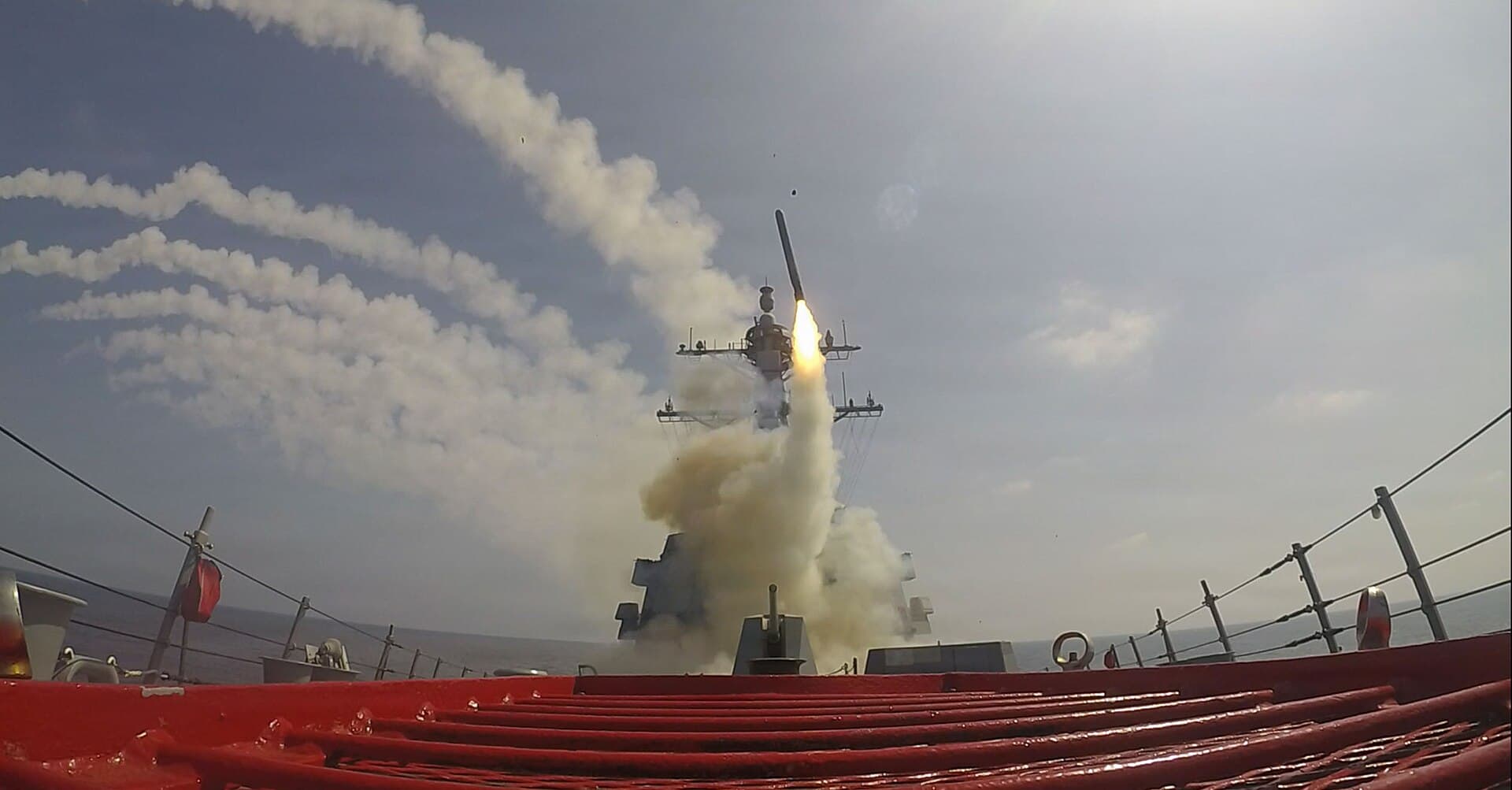
The shooting stopped before the diplomacy did. After President Donald J. Trump authorized Operation Epic Fury on February 28, 2026, the White House said the campaign was aimed at Iran’s ballistic missiles, missile production, navy capabilities and proxy terror networks. By April 8, the administration said Iran had agreed to a ceasefire and to reopen the Strait of Hormuz, turning a widening military confrontation into a negotiation over how far the de-escalation could go.
That shift was not a clean break from war but a managed pause inside it. The State Department’s legal adviser said in April that Operation Epic Fury was part of an ongoing international armed conflict with Iran, underscoring that the ceasefire did not erase the legal or strategic reality of hostilities. The administration’s own framing made the same point: the talks were not only about ending fire, but about preventing another round of strikes and building a broader peace agreement around the world’s most important oil chokepoint.
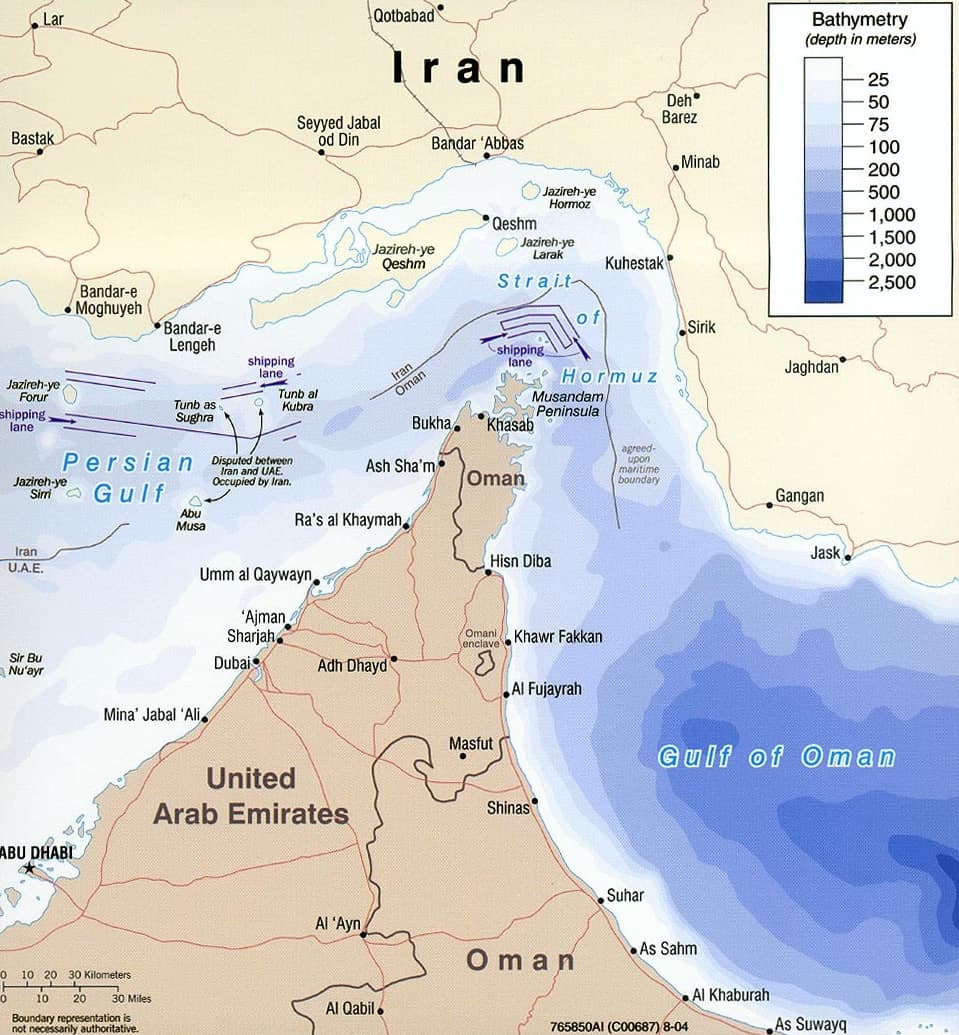
The Strait of Hormuz sat at the center of the deal because its closure would have hit global energy flows far beyond the Gulf. In May, Secretary of State Marco Rubio said the Iran talks were still “a work in progress,” but that a serious effort was under way to reopen the strait and reach a time-limited nuclear understanding with support from Gulf and global partners. That wording signaled a narrow, reversible arrangement rather than a final settlement, with limits on Iran’s nuclear program tied to a maritime opening that would test both sides’ discipline.
The economic pressure campaign remained active even as the guns quieted. The State Department says U.S. sanctions on Iran have been in place since 1979, after the seizure of the U.S. Embassy in Tehran, and in May 2026 it announced sanctions on a network accused of facilitating Iran’s illicit oil trade, which the department said had generated billions of dollars for Tehran. That kept one of Washington’s main levers in place while diplomats probed whether sanctions relief, shipping access and nuclear constraints could be traded in stages.
The fragility of the opening showed in June, when the State Department joined allies in condemning Iranian state threat activity in Europe, North America and Australia. Even as Washington presented the campaign as a major achievement, the basic triggers for collapse remained intact: a missile launch, a strike on shipping in the strait, a breakdown in enforcement or a widening proxy clash. For now, the U.S. and Iran have moved from open confrontation to a guarded pause, but the margin between ceasefire and renewed war remains thin.
This article was produced by Prism’s automated news system from verified source data, official records, and press releases, then run through automated quality and moderation checks before publishing. The system is built and supervised by the people who set the standards it runs under. Read our full AI policy.
Know something we missed? Have a correction or additional information?
Submit a Tip