Indonesian students protest Prabowo over fuel price hike and spending priorities
Hundreds of students marched in Jakarta after a gasoline price hike, turning transport and food costs into an early test of Prabowo Subianto’s legitimacy.
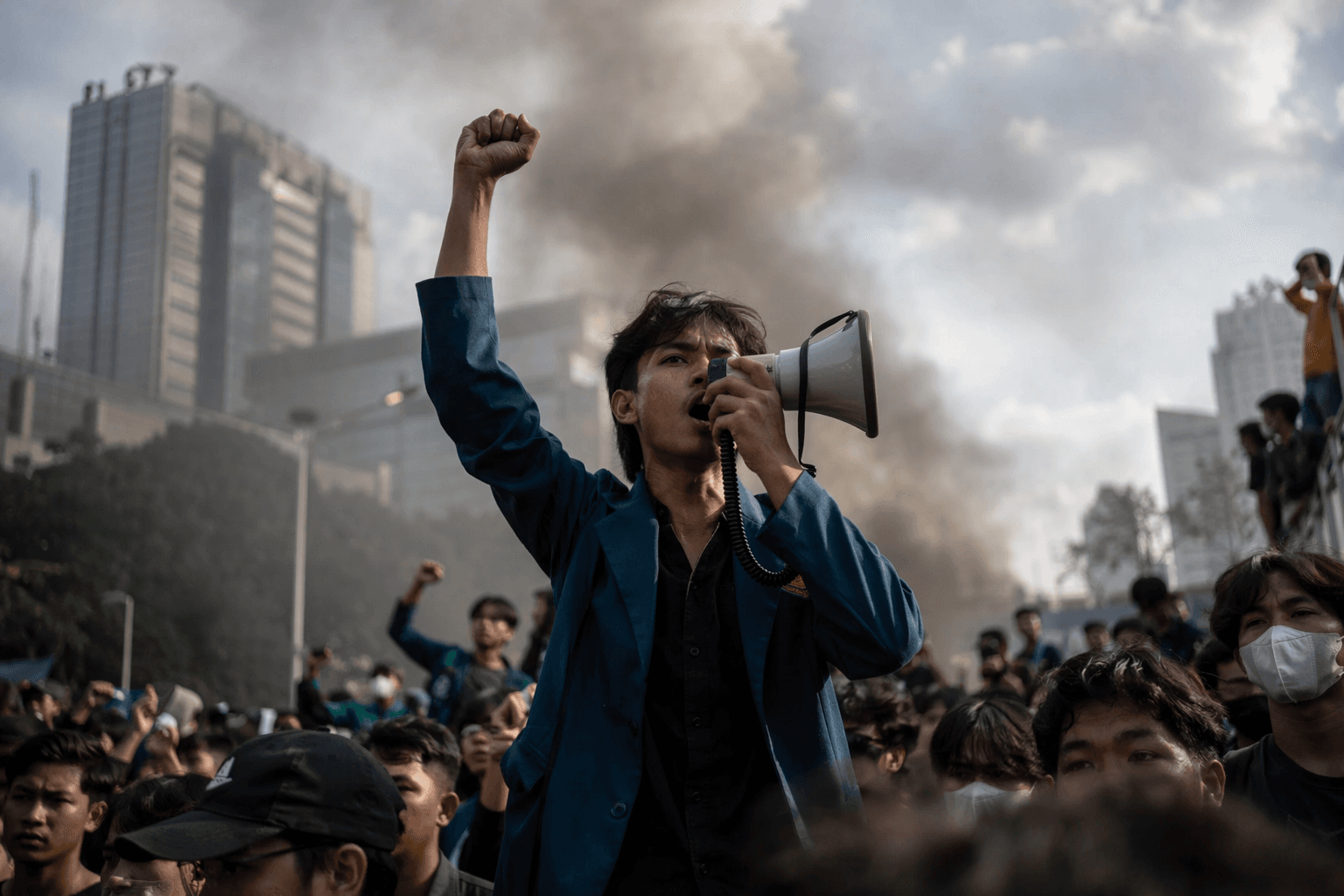
Higher gasoline prices in Indonesia quickly spill beyond the pump, lifting transport costs, pushing up food bills and tightening household budgets. That pressure was on display in central Jakarta on Friday, where hundreds of students rallied against President Prabowo Subianto’s spending priorities and his decision this week to raise gasoline prices.
The march, branded “Heading to Bankrupt Indonesia,” moved toward the Bundaran HI landmark in the capital. Some protesters were stopped from reaching the designated site by police and military personnel, underscoring how the government treated the gathering as more than a routine campus demonstration. Students carried placards reading “Cancel the fuel price hike” and denouncing the cabinet as a “Wall of Shame.”
Their demands went beyond the price increase itself. The students called for the cancellation of Prabowo’s flagship free meals program and village cooperatives program, lower fuel and staple-food prices, and an end to what they described as wasteful spending. The protest framed the fuel decision as part of a larger argument over whether state money was being used for everyday needs or diverted to politically costly projects.
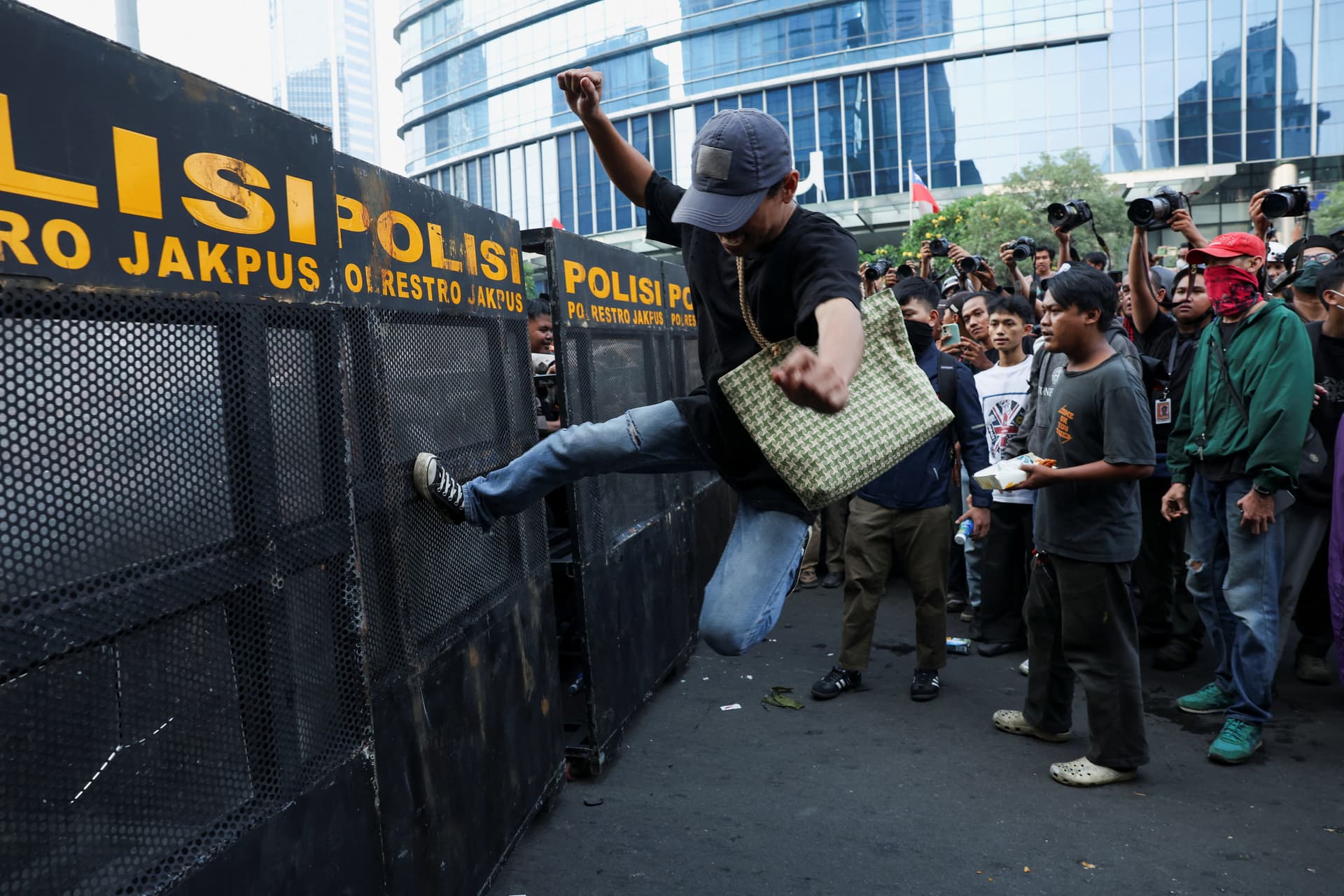
One student leader told Reuters the protesters feared subsidy cuts, while another said the budget had deteriorated because money was being channeled into the free meals program. That criticism landed in the middle of a broader fiscal squeeze. Indonesia has long used subsidies to keep gasoline prices down, but those subsidies have come under strain as Prabowo presses ahead with an ambitious and expensive agenda.
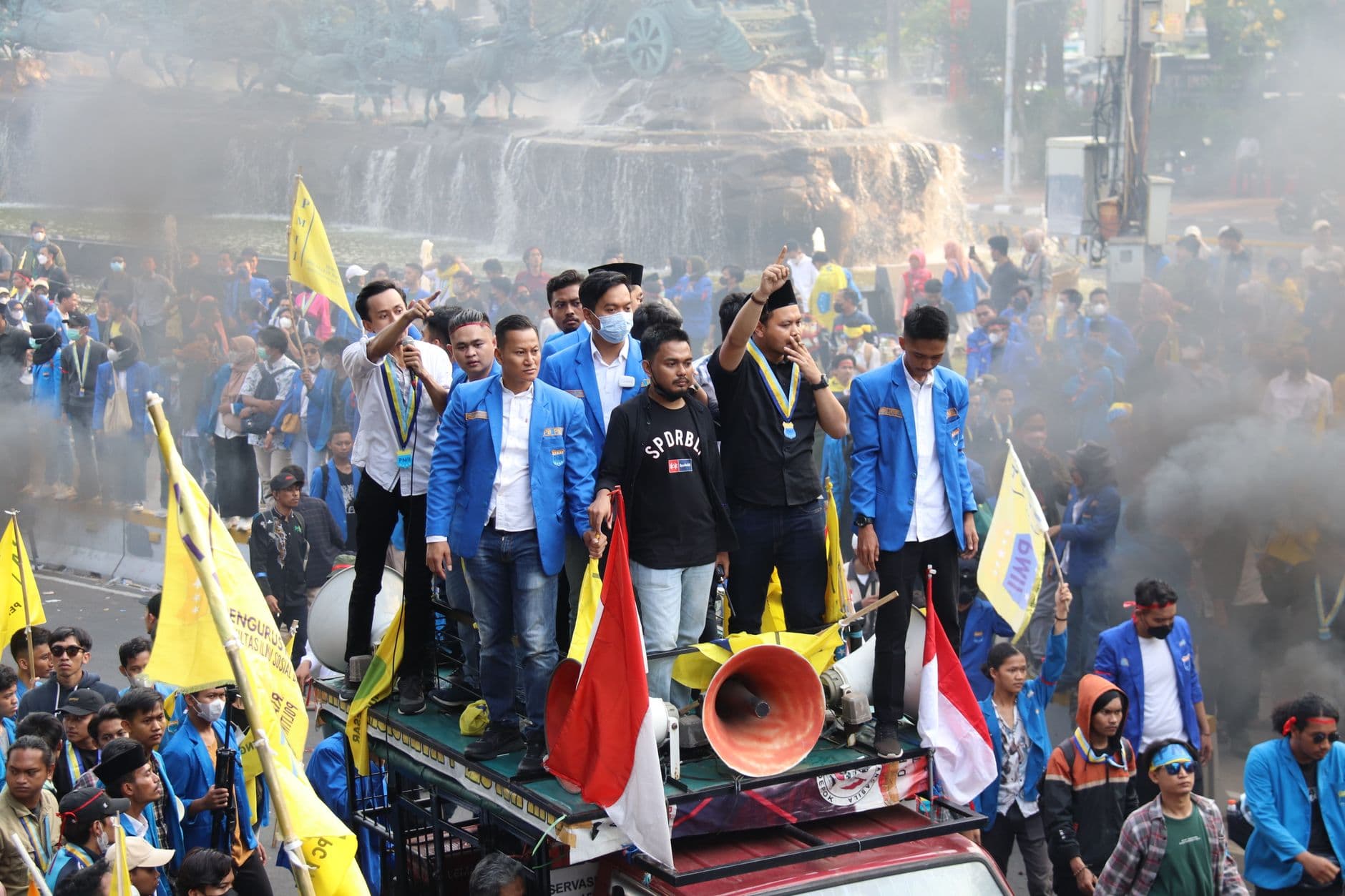
The pressure is not purely domestic. The wider Iran-related oil shock has pushed global oil prices higher, adding to fiscal strain and making it harder for governments to hold down fuel costs without widening budget holes. For Prabowo, that creates a familiar political trap: social programs and subsidies are popular, but trimming them or raising prices can provoke street backlash and deepen mistrust before a new administration has fully settled in.
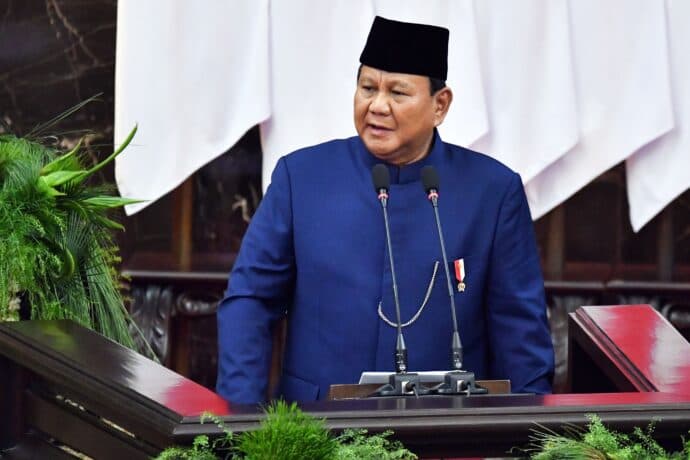
Friday’s rally was therefore more than a student protest over gasoline. It was an early measure of how much public tolerance Prabowo has for austerity, higher prices and a heavier security presence in what began as a dispute over government priorities.
This article was produced by Prism’s automated news system from verified source data, official records, and press releases, then run through automated quality and moderation checks before publishing. The system is built and supervised by the people who set the standards it runs under. Read our full AI policy.
Know something we missed? Have a correction or additional information?
Submit a Tip