U.S. shoots down Iranian drones targeting ships in Strait of Hormuz
U.S. forces shot down Iranian drones in the Strait of Hormuz, where about a quarter of seaborne oil trade moves and merchant traffic kept flowing.
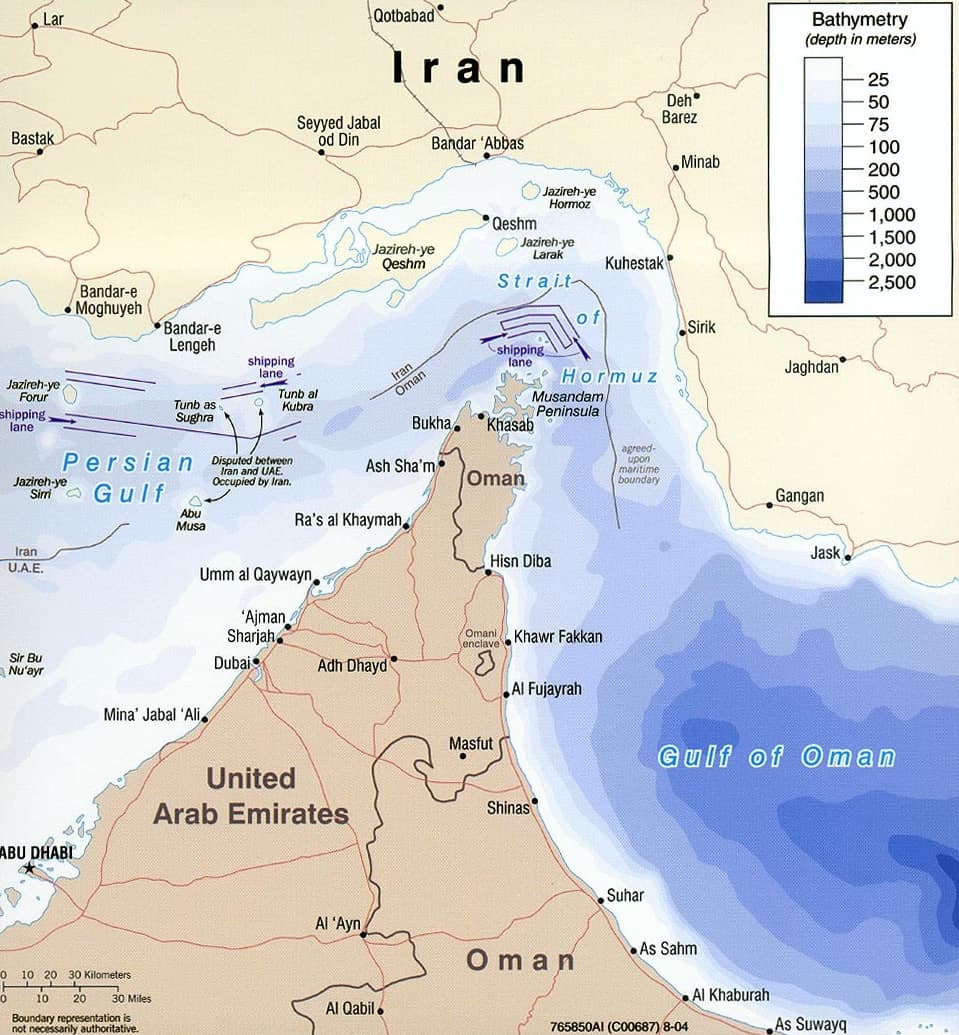
Iran launched multiple one-way attack drones at commercial ships in the Strait of Hormuz, and U.S. forces shot them down before any vessel was hit. U.S. Central Command said traffic through the narrow waterway continued unimpeded, keeping open one of the world’s most sensitive shipping lanes as markets watch for any disruption that could ripple through oil prices, marine insurance and global trade.
The Strait of Hormuz is more than a military flashpoint. CENTCOM has said roughly 100 merchant vessels pass through the passage on a typical day, and about a quarter of the world’s oil trade at sea moves through it, along with significant volumes of fuel and fertilizer products. Any attack in that corridor can immediately raise the cost of doing business for shipowners and insurers, even when cargoes are not struck.
Adm. Brad Cooper’s command said the drones were launched in an attempt to hit commercial ships transiting the strait. U.S. forces downed all of them in recent hours, and CENTCOM said no injuries or ship strikes were reported. The episode left the international trade corridor open for transit, but it underscored how quickly a maritime harassment campaign can test the limits of naval deterrence in one of the busiest chokepoints on the planet.
The latest incident came amid a run of similar confrontations. On May 27, CENTCOM said Iranian forces launched five one-way attack drones that were intercepted in and near the Strait of Hormuz, and U.S. forces prevented a sixth drone launch from an Iranian ground control site in Bandar Abbas. On June 5, CENTCOM said U.S. forces intercepted multiple Iranian ballistic missiles and drones launched toward the Strait of Hormuz and Gulf neighbors, then struck Iranian coastal surveillance radar sites in response.
Washington has also been leaning on a broader maritime defense effort. CENTCOM began supporting Project Freedom on May 4 to restore freedom of navigation for commercial shipping through the Strait of Hormuz, a mission framed around keeping the sea lane open for the flow of oil, fuel and fertilizer products.
For now, the message from the U.S. military is that the route remained open and the drones did not get through. But repeated interceptions in the same waterway suggest the standoff at sea is becoming a standing test of how far Tehran is willing to push, and how deeply Washington is prepared to answer.
This article was produced by Prism’s automated news system from verified source data, official records, and press releases, then run through automated quality and moderation checks before publishing. The system is built and supervised by the people who set the standards it runs under. Read our full AI policy.
Know something we missed? Have a correction or additional information?
Submit a Tip