U.S. and Iran reach framework to reopen Strait of Hormuz
Oil sank and stocks surged as Washington and Tehran backed a framework to reopen Hormuz, even though key terms were still missing.

Markets raced ahead of the paperwork as U.S. and Iranian officials said they had agreed on a framework to end their war, lift the U.S. blockade of Iran and reopen the Strait of Hormuz. Asian stocks climbed sharply, U.S. stock futures jumped, oil prices fell and the dollar slipped to a 10-day low, a classic relief rally built on hopes that one of the world’s most important oil chokepoints may soon reopen.
The bet is straightforward: if ships can move freely through the Strait of Hormuz again, more crude can reach global buyers and energy prices should ease. That matters far beyond the Gulf. The waterway is a critical route for oil shipments, and any reopening could quickly filter into inflation, consumer spending and broader market sentiment just as traders have been bracing for prolonged disruption.
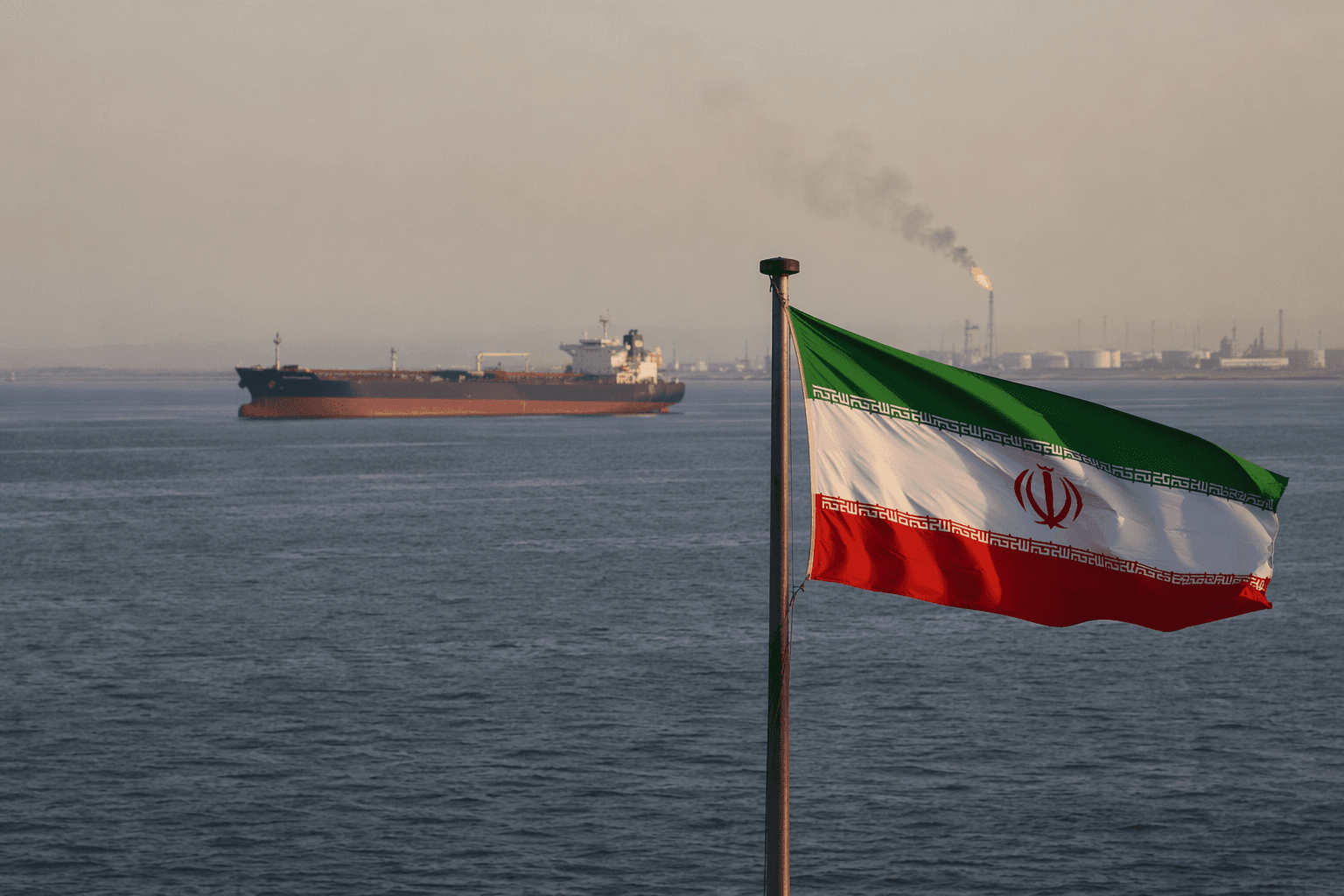
But the details behind the cheer were thin. Officials said a signing ceremony was being prepared for Friday, June 19, 2026, in Switzerland, yet the agreement had not been formally signed and some investors warned it was too soon to celebrate. The framework also left major questions unresolved, including the sequencing of frozen-fund releases and related regional security issues, raising the possibility that the deal could still stall or be weakened before it takes effect.
The agreement was also narrower than the market reaction suggested. It was reported not to address Iran’s nuclear program, even as it was expected to open the Strait of Hormuz, lift the U.S. naval blockade on Iranian ports and pave the way for further talks. Analysts said the market was effectively pricing in a path to peace and a resumption of oil flows, but that assumption could reverse quickly if the framework unravels or if the final terms fall short of what traders are now expecting.
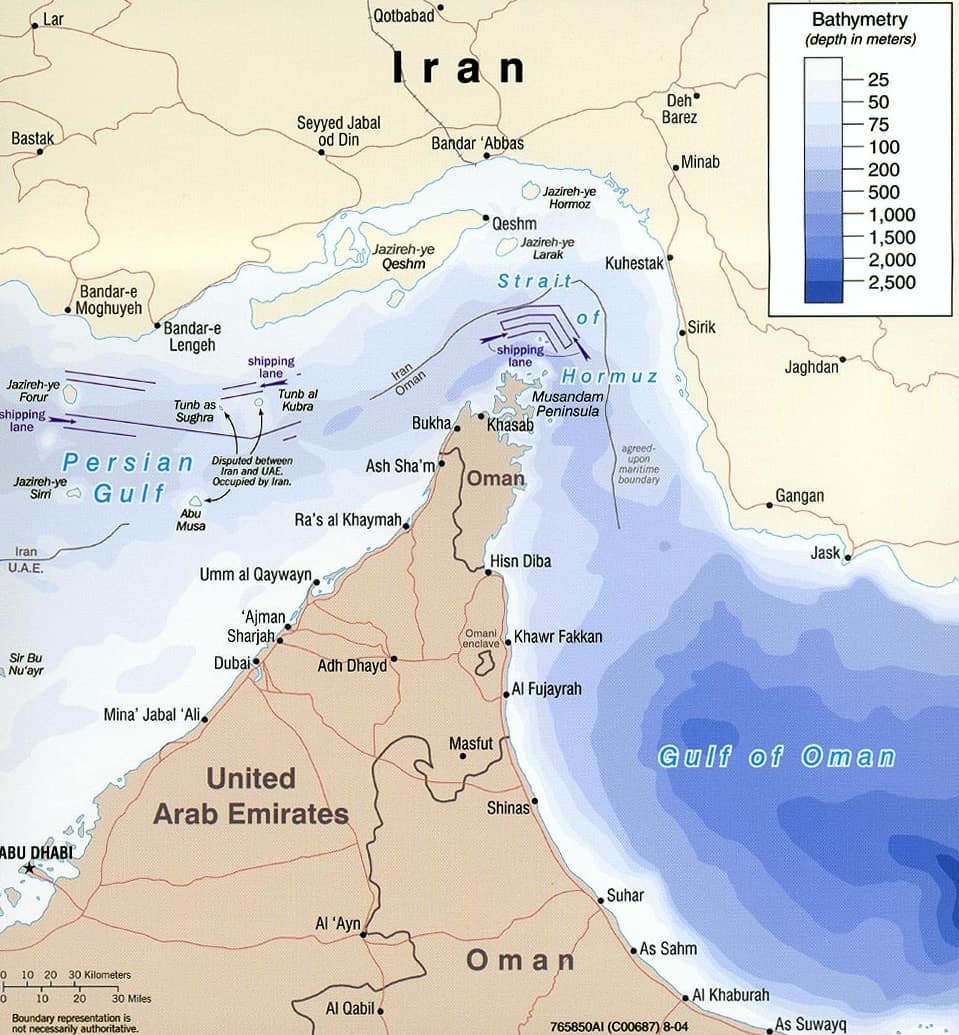
The broader backdrop is one of weeks of precarious negotiations and a conflict that has already left an inflationary mark on markets. Even if the agreement holds, that legacy is likely to keep investors focused on how quickly oil exports resume, how much sanctions pressure actually eases and whether the ceasefire logic can survive the next round of bargaining.
This article was produced by Prism’s automated news system from verified source data, official records, and press releases, then run through automated quality and moderation checks before publishing. The system is built and supervised by the people who set the standards it runs under. Read our full AI policy.
Know something we missed? Have a correction or additional information?
Submit a Tip