US and Iran reach peace deal, Hormuz blockade ends
Trump and Shehbaz Sharif announced a U.S.-Iran peace deal, but Tehran had not fully confirmed it as the Strait of Hormuz reopening plan took shape.

The United States and Iran said they had reached a peace agreement Sunday, but the announcement still left major questions about whether the deal was fully locked in or only nearing completion. President Donald Trump called it “complete” and said the U.S. naval blockade of the Strait of Hormuz was ending, while Pakistani Prime Minister Shehbaz Sharif said the accord covered the “immediate and permanent termination of military operations on all fronts, including in Lebanon.”
Sharif said an official signing ceremony was scheduled for Friday, June 19, in Switzerland, with pre-implementation talks expected before then. Even so, Iranian state media had earlier said Tehran had not yet reached a final decision, and Iranian officials had not fully confirmed the agreement when the announcement was made. That gap made the deal look as much like a fragile truce-in-progress as a settled peace.
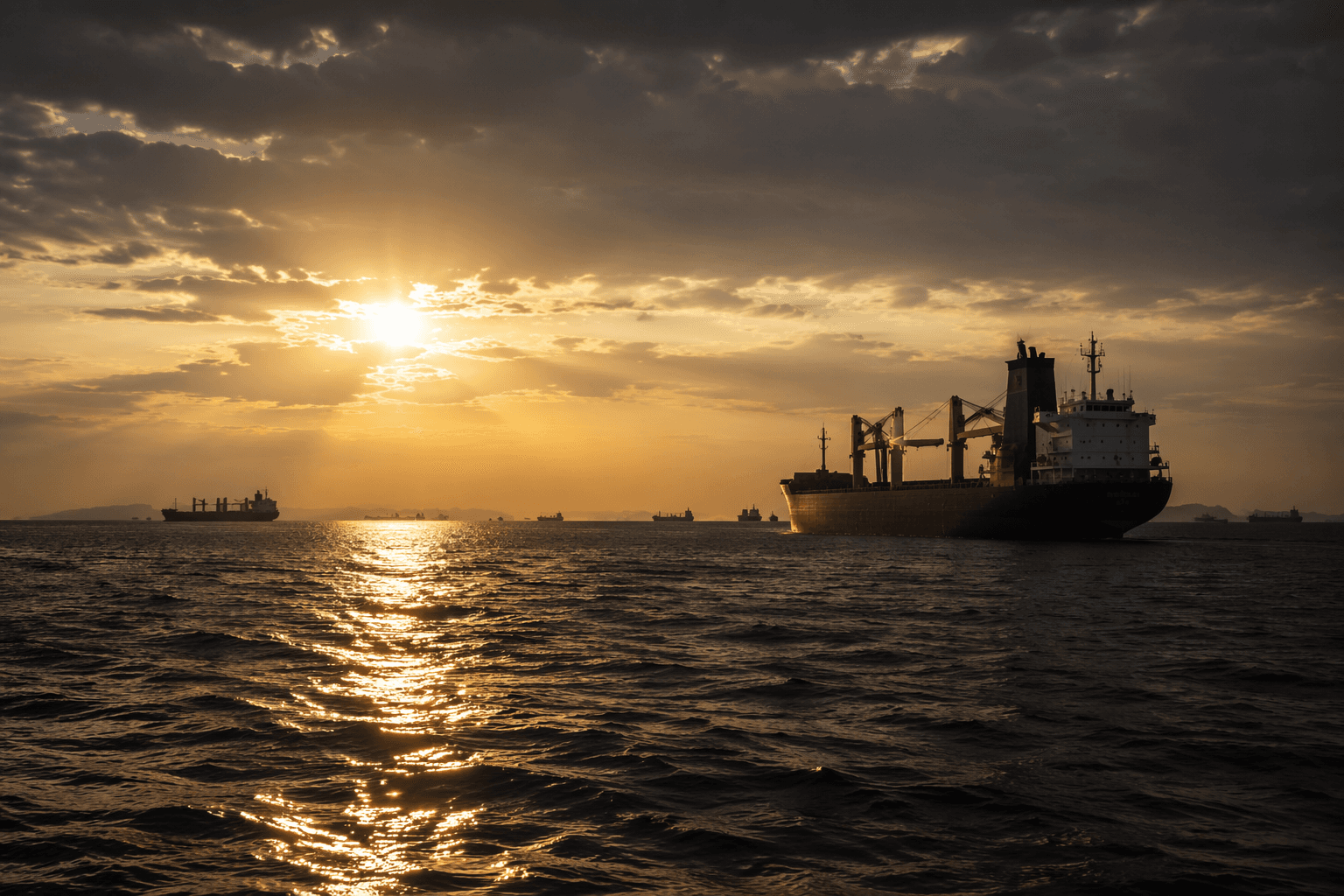
The stakes for Americans are immediate. The Strait of Hormuz carries about one-fifth of the world’s oil and gas supply, and its reopening could ease pressure on global energy markets after more than three months of war. The conflict began in February 2026 after U.S. and Israeli strikes escalated tensions and Iran closed the waterway, turning the strait into one of the most dangerous chokepoints in the global economy. Any durable rollback would matter not just for shipping insurers and oil traders, but for U.S. military exposure in a region that has already shown how quickly escalation can spread.
Reuters reported that a senior Iranian official described a draft memorandum of understanding that included reopening the Strait of Hormuz, a waiver of U.S. sanctions on Iranian oil exports, the release of frozen Iranian assets and nuclear-related talks over a 60-day period. Pakistan played a central mediating role, and Qatari negotiators reportedly traveled to Tehran to help finalize the agreement. Those details suggest the bargain was broader than a simple ceasefire, tying security, energy and sanctions relief to a phased diplomatic process.
Regional reactions remained mixed. Iranian Foreign Minister Abbas Araqchi said Iran had emerged stronger from the conflict, while warnings around Israel underscored how easily the arrangement could unravel. Reporting also indicated Iran warned that an Israeli strike near Beirut could threaten the deal, even as Israel said it was acting against Hezbollah after a previous attack. For now, the announcement marks a sharp break from open warfare, but whether it becomes a durable diplomatic shift or a headline-grabbing truce will depend on what is signed in Switzerland and whether both sides follow through.
This article was produced by Prism’s automated news system from verified source data, official records, and press releases, then run through automated quality and moderation checks before publishing. The system is built and supervised by the people who set the standards it runs under. Read our full AI policy.
Know something we missed? Have a correction or additional information?
Submit a Tip