U.S. and Iran to meet in Oman after Tehran narrows nuclear talks
The United States and Iran will hold nuclear talks in Oman after Tehran pushed to move the venue and limit discussions to its nuclear program.
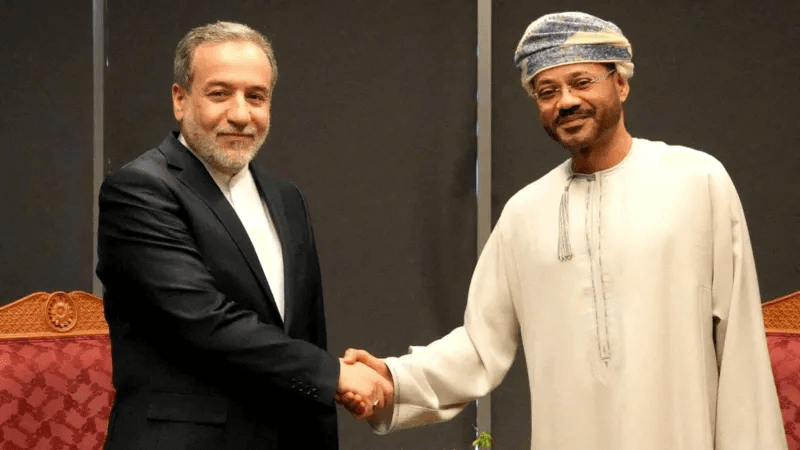
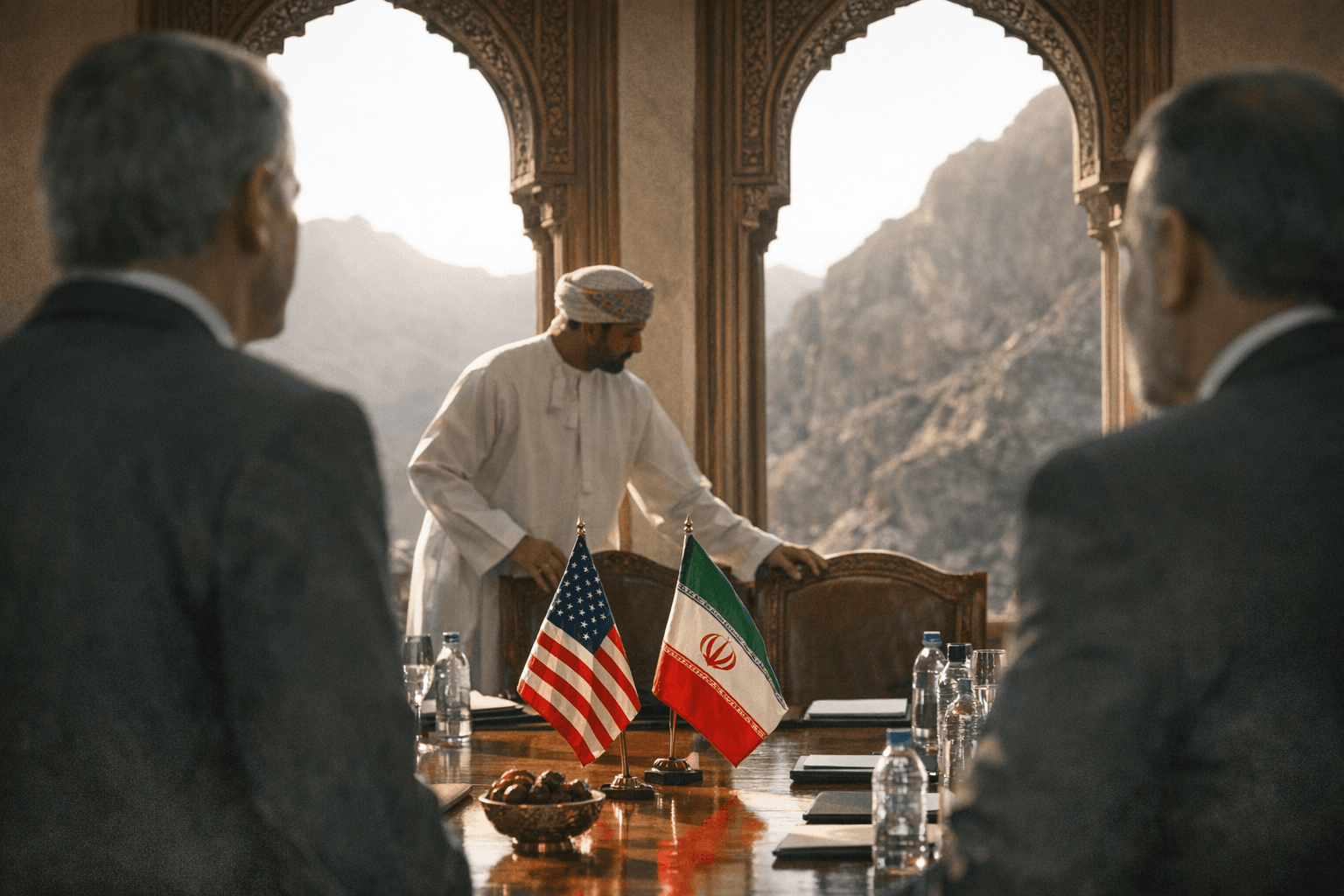
The United States and Iran prepared to meet in Oman on Friday after Tehran pressed to move negotiations away from Turkey and narrow the agenda to the nuclear file. A regional official who spoke on condition of anonymity confirmed the change of venue as diplomacy accelerated amid a build-up of U.S. forces in the Middle East, raising fears of a confrontation.
Iran sought the move to Oman so the discussions could be framed as a continuation of earlier rounds held there, officials and state media said. "The negotiations will adopt a format similar to previous rounds," Iran's state news agency said, citing foreign ministry planning. Tehran has insisted that the talks be limited to its nuclear program, while Washington has pushed to include other topics, diplomats and officials say.
The Iranian delegation is expected to be led by Foreign Minister Abbas Araghchi, and the U.S. side by Special Envoy Steve Witkoff, two officials familiar with planning said. The inclusion of additional U.S. figures, however, remains disputed. A source familiar with the matter said Jared Kushner "was expected to take part"; Iran's ISNA said Kushner's participation "is being considered"; and another source involved in earlier planning said he "is to join" when the meeting was expected in Istanbul. Those differing accounts underscore the fluidity around attendance even as the agenda hardened.
The venue and format fight reflects broader diplomatic sensitivities. Foreign ministers from Pakistan, Saudi Arabia, Qatar, Egypt and the United Arab Emirates had been expected to attend an Istanbul-format meeting, but Iran objected to third-party participation and sought strictly bilateral talks. Iran's foreign ministry spokesman said hosts under consideration included Turkey, Oman and "other regional countries" and that details would be announced once finalised.
Security incidents in the weeks ahead of the talks added urgency and distrust. The U.S. military said it shot down an Iranian drone after it approached the aircraft carrier USS Abraham Lincoln in the Arabian Sea. Separate reports said six Iranian gunboats ordered a U.S.-flagged oil tanker to stop as it sailed through the Strait of Hormuz. Iranian commanders and some members of parliament have issued stark warnings; one senior Revolutionary Guard commander framed Israel as Iran's likely first target in the event of a U.S. strike, while a lawmaker declared Tehran would not back down on enrichment, missiles or proxies.
President Donald Trump signaled a dual approach of deterrence and diplomacy, telling reporters, "They would like to negotiate, we are negotiating with them right now." He added that he had sent two messages to Iran: "I told them two things: No. 1, no nuclear. And No. 2, stop killing protesters," and warned, "They're going to have to do something." Israeli leaders have been closely engaged: Prime Minister Benjamin Netanyahu met with U.S. envoy Steve Witkoff and told him Iran has "proven its promises cannot be relied upon," according to a readout of that meeting.
The talks in Oman pose immediate questions: who will finally sit at the table, whether the United States will press beyond nuclear issues, and whether the diplomatic channel can withstand the military and political pressures on both sides. With no formal U.S.-Iran diplomatic relations and Iran still designated a state sponsor of terrorism, the coming days will test whether limited, bilateral negotiations can tamp down risks or instead become another flashpoint in a volatile region.
This article was produced by Prism’s automated news system from verified source data, official records, and press releases, then run through automated quality and moderation checks before publishing. The system is built and supervised by the people who set the standards it runs under. Read our full AI policy.
Did this article answer your question?


