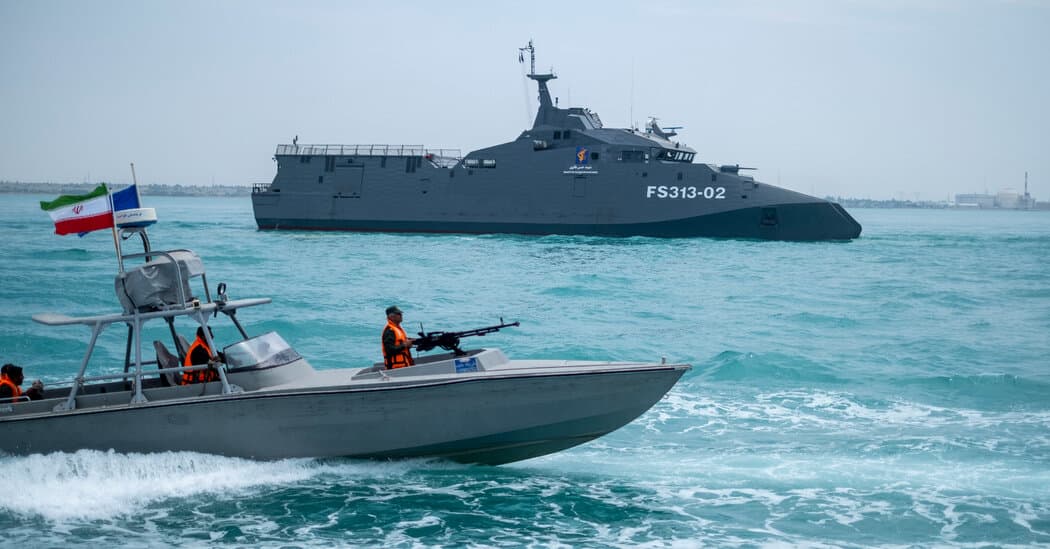
U.S. and Iran Trade Fire in Strait of Hormuz, Testing Ceasefire
Three U.S. destroyers were fired on in the Strait of Hormuz, and Trump brushed it off as a “love tap” even as U.S. strikes hit Iranian targets.
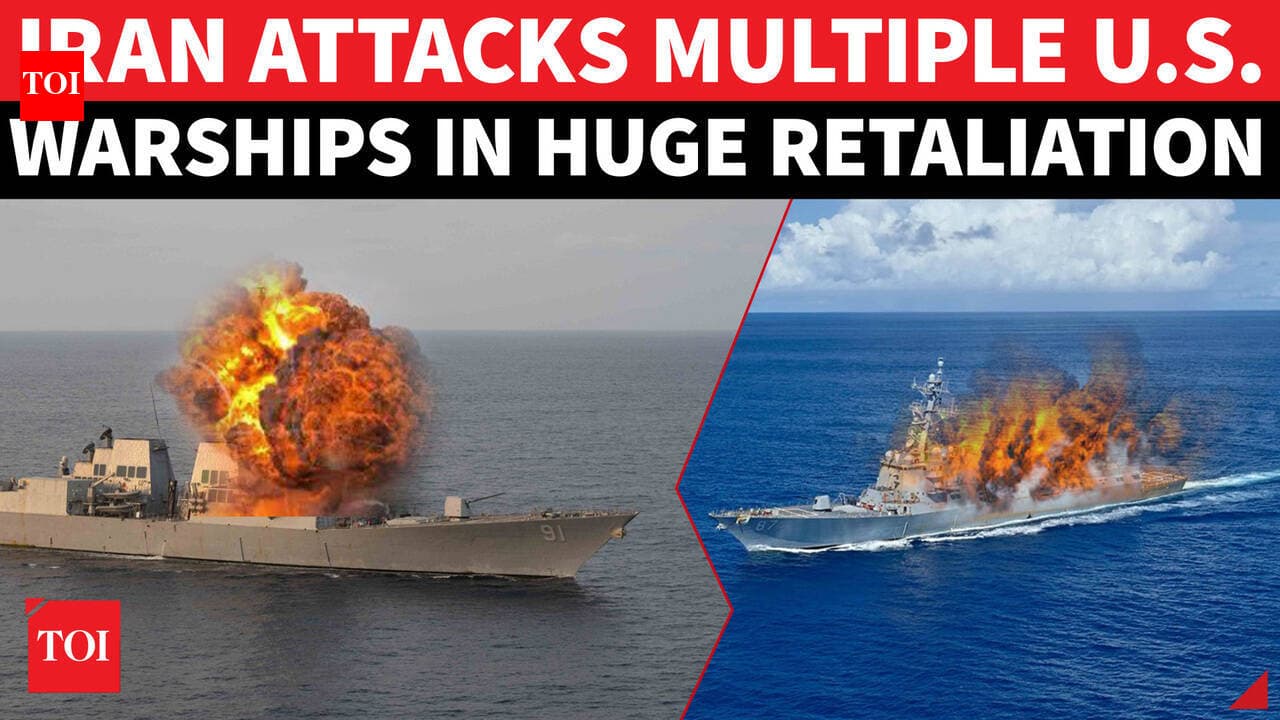
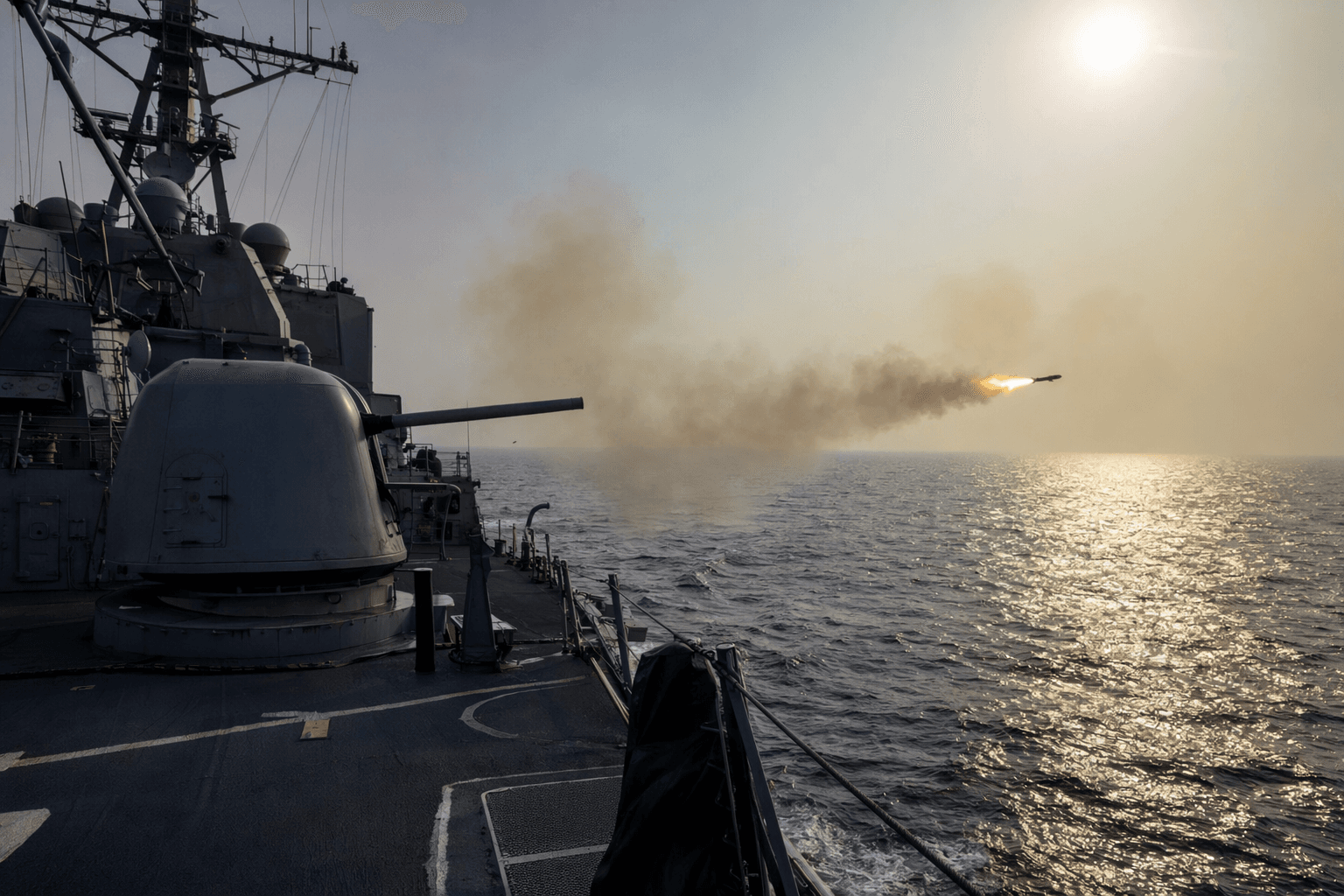
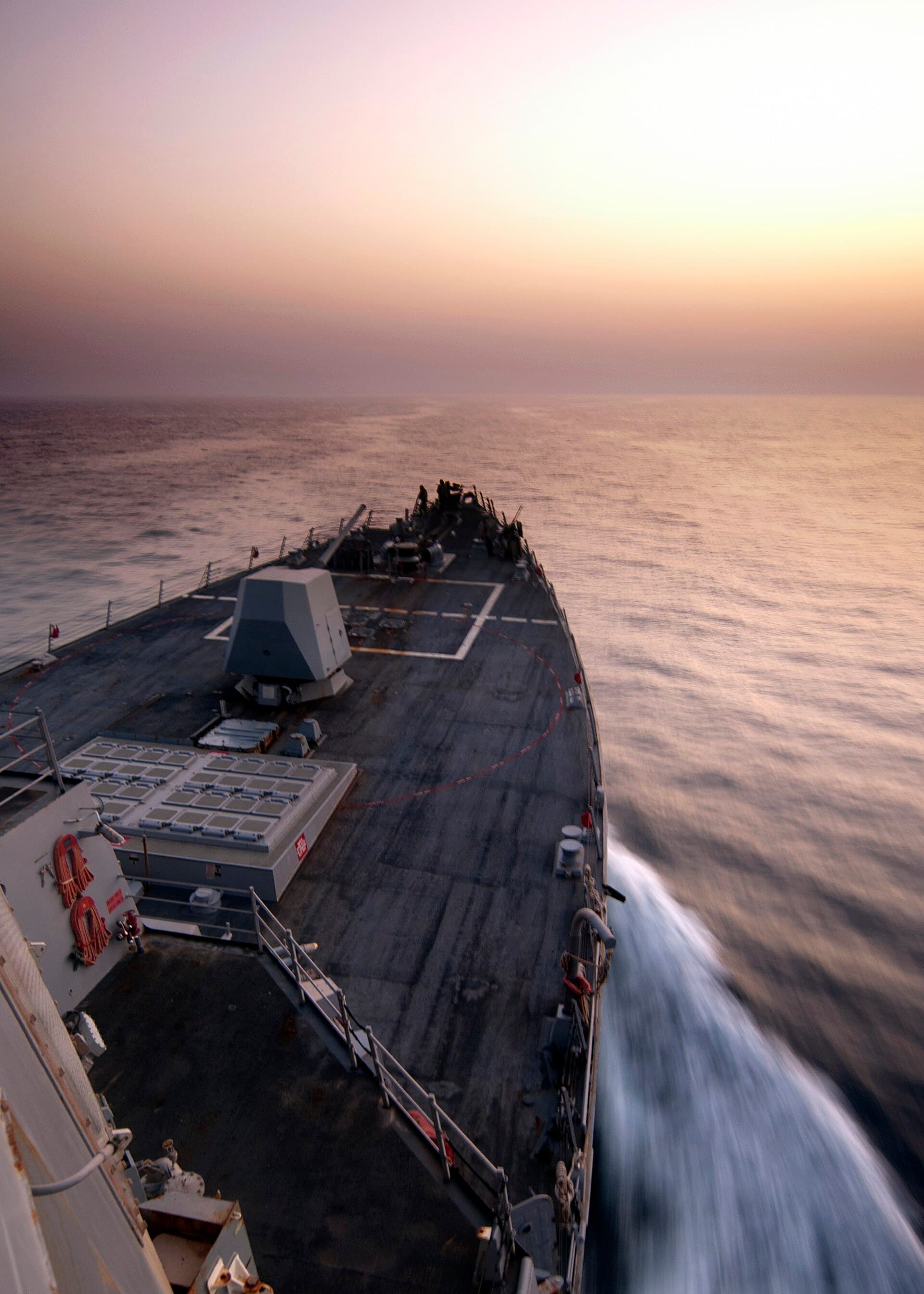
Three U.S. Navy destroyers crossing the Strait of Hormuz came under Iranian missile and drone fire, then answered with U.S. self-defense strikes on Iranian targets near Bandar Abbas and Qeshm, sharpening doubts about how much restraint the ceasefire between Washington and Tehran still commands.
U.S. Central Command said the destroyers were not hit in the May 7 clash and that American forces struck back after what it described as unprovoked attacks. The exchange unfolded in one of the world’s most dangerous waterways, a shipping chokepoint for oil and gas that has become a flashpoint as U.S. and partner forces try to keep commercial traffic moving and clear mines from the route.
Donald Trump insisted the ceasefire remained intact, even as both sides accused the other of breaking it first. He described the exchange as a minor “love tap,” while Defense Secretary Pete Hegseth and other U.S. officials repeated that the truce was still in place. Iran, meanwhile, said Washington violated the ceasefire by hitting multiple targets in and around the strait.
The episode exposed the gap between the White House’s political framing and the reality on the water. The ceasefire began on April 8, 2026, and the conflict has now crossed the 60-day mark, putting renewed pressure on Congress over War Powers questions. The White House told lawmakers that Trump did not need to pull forces back because the extended ceasefire had effectively ended military hostilities, even as American ships were again taking fire in the Gulf.
The risk of spillover widened further early on May 8, when the United Arab Emirates said its air defenses were engaging missile and drone threats. That warning underscored how quickly fighting around the Strait of Hormuz can spread across the Persian Gulf and threaten the energy routes that much of the world depends on.
For diplomats trying to salvage a negotiated settlement, the day’s exchange was less a sign of stability than a warning. A truce can hold on paper while missiles fly around it, but each new strike makes it harder to tell whether the ceasefire is a bridge to talks or just another instrument of messaging.
Know something we missed? Have a correction or additional information?
Submit a Tip