U.S. and Ukraine Meet in Florida, Officials Expect More Progress on Peace Pathway
U.S. and Ukrainian delegations met in Florida on Nov. 30 in a push to convert diplomatic proposals into concrete steps toward ending Russia’s war. Officials framed the talks as moving beyond ceasefire mechanics to political, security and reconstruction frameworks, a shift that could reshape financial commitments and market expectations.
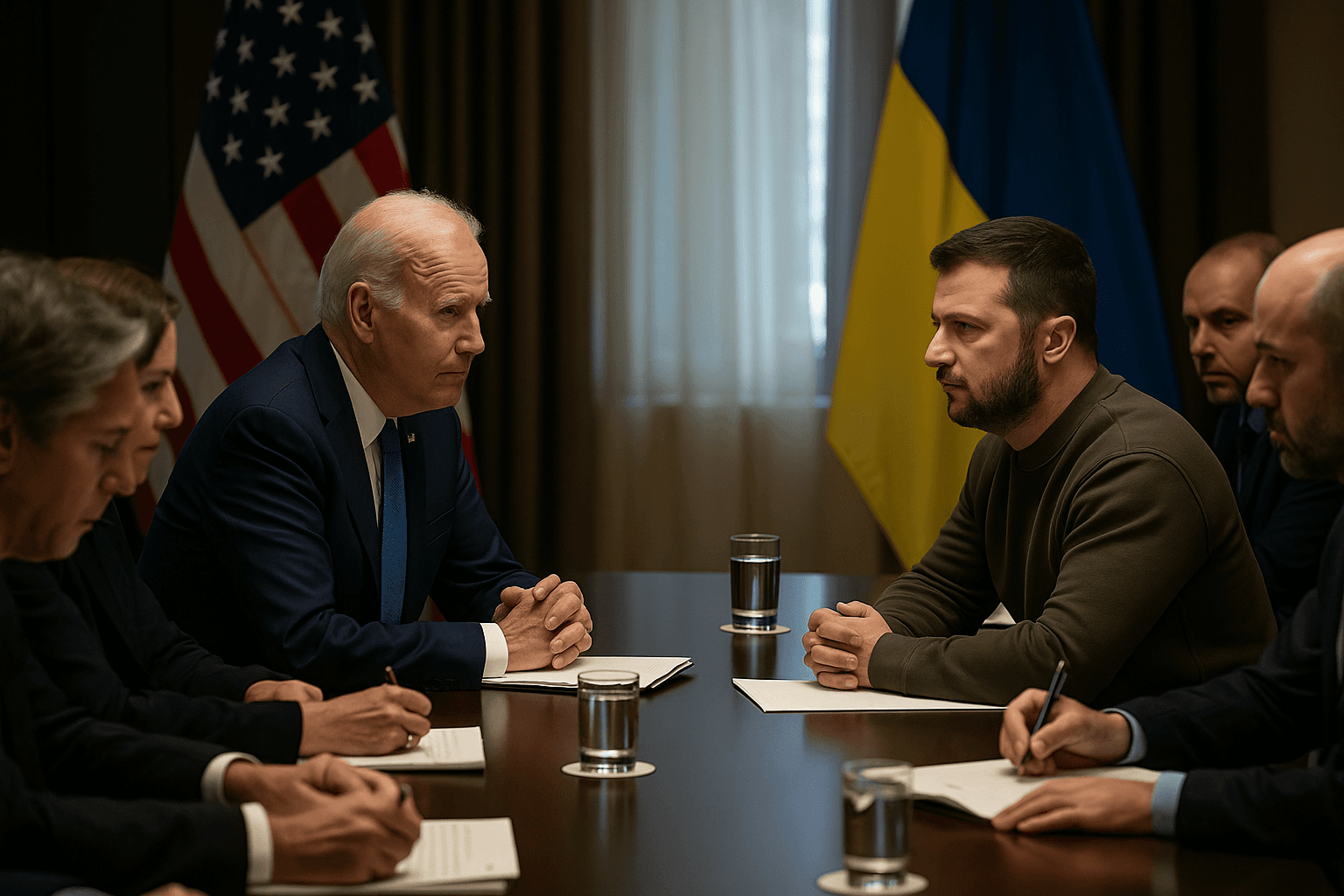
U.S. and Ukrainian delegations met in Hallandale Beach, Florida on Nov. 30 as part of an intensified diplomatic push to chart a pathway out of Russia’s war with Ukraine. The discussions were described by U.S. officials as more than technical negotiations over ceasefire mechanics, focusing also on political settlement structures, security guarantees and reconstruction frameworks intended to underpin any durable agreement.
U.S. Secretary of State Marco Rubio said he expected the meetings to yield “more progress” toward an agreement that would preserve Ukraine’s sovereignty and postwar future. The Ukrainian delegation was led by Rustem Umerov, who took the post after the resignation of Andriy Yermak on Nov. 28 amid a corruption scandal in Kyiv. Umerov thanked the United States and emphasized close cooperation during the talks.
Delegates in Florida built on earlier Geneva conversations and on a creeping international consensus that diplomatic blueprints need clearer timelines and financing commitments to be actionable. U.S. officials framed the agenda broadly, signaling an effort to knit together ceasefire monitoring, phased security arrangements and a reconstruction plan that would anchor Ukraine economically as well as politically.
The economic stakes are sizable. Rebuilding Ukraine has been estimated by international observers to require very large sums, and the shape of any agreement will determine whether financing comes through multilateral institutions, bilateral grants, private investment or some combination. For markets, credible progress toward a settlement could lower near term geopolitical risk premiums that have lifted energy and defense costs since the war began. Conversely, uncertainty over governance and corruption, underscored by the recent resignation in Kyiv, could deter private capital crucial for reconstruction.
Policy makers face trade offs. Any security framework must balance Ukrainian sovereignty with external guarantees that deter renewed aggression. Donor nations and institutions will seek robust anti corruption measures and transparent procurement arrangements before committing large scale financing. That dynamic gives domestic governance reforms in Kyiv an outsized role in shaping international willingness to provide sustained support.
The talks also carry implications for defense aid and European energy markets. A clear trajectory toward a settlement could allow Western governments to recalibrate military assistance and reduce emergency energy stockpiling, easing budget pressures for donor states. If progress stalls, continued high levels of military spending and contingent support for refugees and reconstruction will strain public finances in Europe and the United States.
Diplomacy in Florida is one node in a wider effort to translate conceptual proposals into a sequence of verifiable steps. U.S. officials framed the outcome in pragmatic terms, emphasizing frameworks rather than immediate treaty text. The combination of security architecture, conditional financing and governance benchmarks discussed in Florida will determine how quickly investors and governments move from cautious engagement to large scale reconstruction commitments.
As the delegations depart Hallandale Beach, attention will turn to how soon technical working groups can convert political agreement into enforceable mechanisms, and whether Kyiv’s internal political shake up will strengthen or complicate the prospects for sustained international backing. The economic calculus of peace will hinge as much on governance and verification as on ceasefire lines.
This article was produced by Prism’s automated news system from verified source data, official records, and press releases, then run through automated quality and moderation checks before publishing. The system is built and supervised by the people who set the standards it runs under. Read our full AI policy.
Did this article answer your question?


