U.S. appears to accept Iran’s enrichment red line as Geneva talks press forward
Iran says U.S. negotiators in Geneva conceded that uranium enrichment can remain; disputed claims, 407 kg of 60% uranium and threat of strikes raise acute health and humanitarian risks.
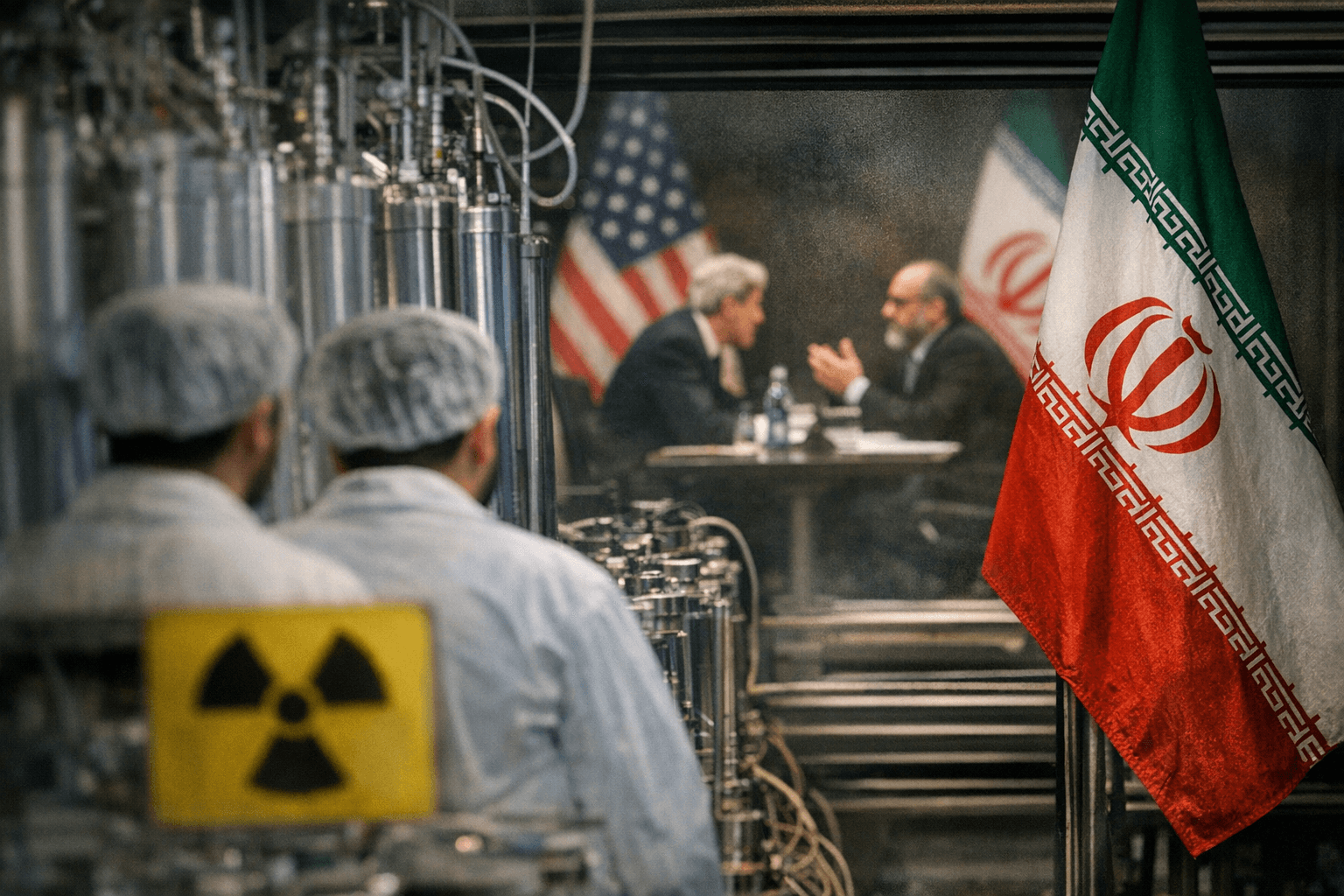
Iranian negotiators said negotiators in Geneva have accepted Tehran’s insistence that uranium enrichment remain part of the country’s civilian program, a development that both sides framed as a step toward a narrowly focused, rapid technical deal. “They have not offered any suspension, and the U.S. side has not asked for zero enrichment,” Iran’s foreign minister Abbas Araghchi said in an interview on the MS NOW show Morning Joe.
The assertion sits alongside sharper U.S. public messaging. President Donald J. Trump has repeatedly insisted Iran must not retain the capacity to enrich uranium, saying “We don't want any enrichment,” and reportedly told reporters he was considering a limited military strike. A White House official has similarly contested Tehran’s characterization, saying Washington remains intent on preventing an Iranian pathway to a nuclear weapon.
Negotiators in Geneva and in earlier, indirect talks in Oman this month have concentrated on technical elements: centrifuge inventories, enrichment percentages and where enriched material would be stored or processed. Reported offers on the table include a temporary suspension of enrichment for three to five years, and Iranian proposals to dilute or eliminate a stockpile of 407 kilograms of uranium enriched to 60 percent. Russia has signaled willingness to accept low-enriched uranium again, recalling its role taking about 11,000 kilograms under the 2015 accord.
Those technical fixes carry urgent public health and humanitarian stakes. The Institute for Science and International Security warned that “uranium enriched to low levels can be developed into weapons within months, depending on Tehran’s centrifuge capacity,” a timeline that shapes how inspection, monitoring and custody arrangements are conceived. Even short windows of ambiguity in oversight raise the risk of escalation that would jeopardize civilian populations.
The threat of military action, and of renewed sanctions or punitive measures, also has immediate effects on population health. Tehran has sought immediate sanctions relief once an agreement is concluded; Washington has ruled out quick delisting. Sanctions have previously constrained imports of medical supplies, dialysis equipment and chemotherapy drugs, and public health experts warn any renewed or prolonged economic pressure would deepen disparities in access to care for people with chronic illnesses, pregnant people and the elderly.
Domestic instability in Iran compounds the humanitarian picture. Human rights groups say last month’s violent repression of nationwide protests killed many thousands, increasing demand for trauma care and placing long-term burdens on health services already strained by economic isolation. Community-level clinics and non-governmental organizations say shortages of basic medicines and surgical supplies disproportionately harm low-income and rural populations.
Despite competing red lines on enrichment and broader U.S. demands about missiles and regional behavior, negotiators have framed the talks as narrowly technical and time-sensitive. Tehran’s deputy negotiator, Takht-Ravanchi, said the issue of “zero enrichment” is “not on the table anymore” and urged that talks focus only on the nuclear file, a position aligned with Iran’s insistence that its NPT rights be recognized.
A further round of talks is scheduled to resume in Geneva on Tuesday as diplomats seek to convert tentative technical accords into a written framework. For health systems and communities across the region, the stakes are immediate: whether inspectors can secure enriched material, whether sanctions are phased to protect medicines, and whether diplomacy averts a military pathway that would have catastrophic public health consequences.
This article was produced by Prism’s automated news system from verified source data, official records, and press releases, then run through automated quality and moderation checks before publishing. The system is built and supervised by the people who set the standards it runs under. Read our full AI policy.
Did this article answer your question?

