U.S.-backed truce with Hezbollah aims to advance Iran peace talks
A 10-day truce left Israeli troops deep in south Lebanon while Washington tried to use the pause to reopen Iran talks and avert a wider war.
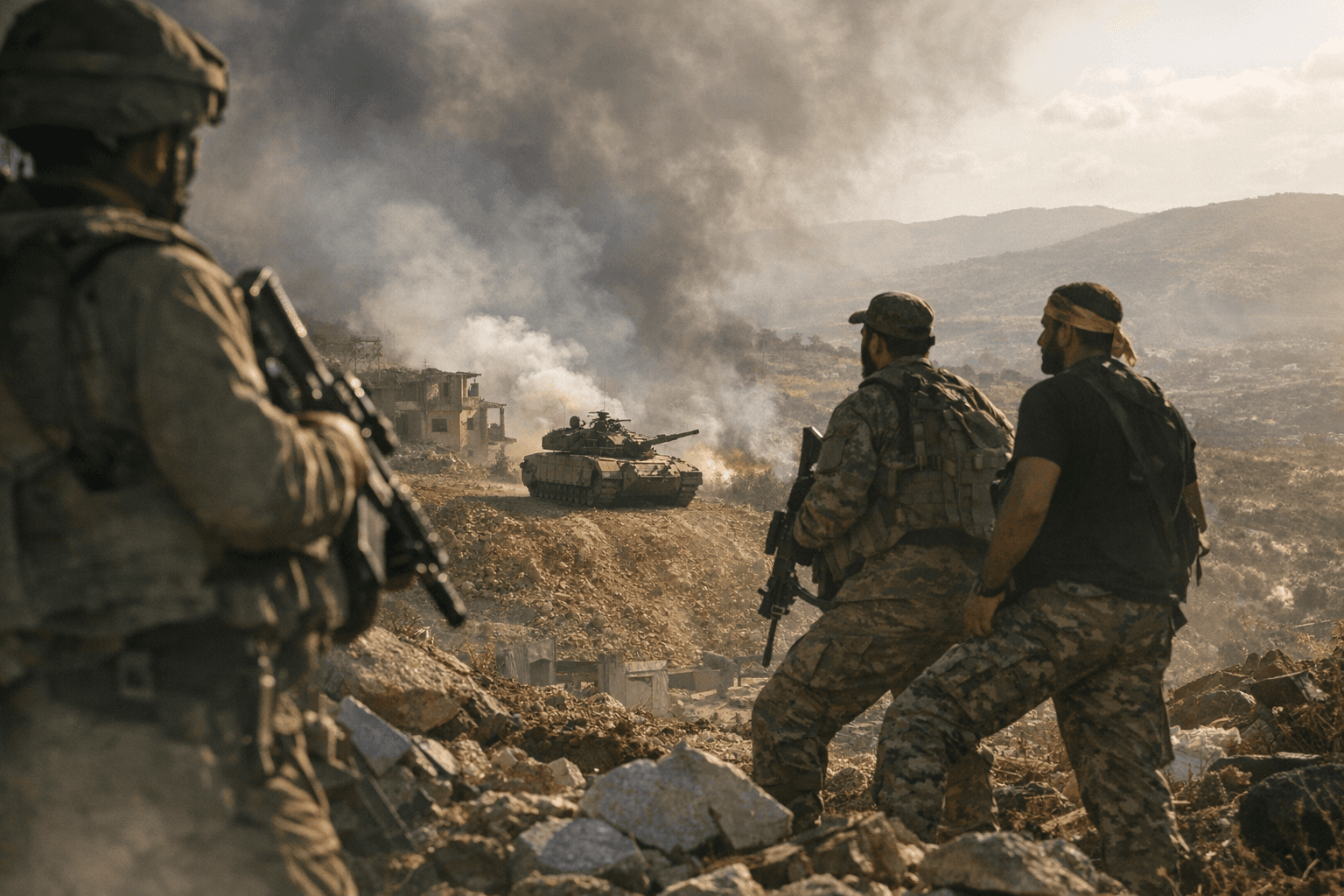
The new Israel-Lebanon truce began with a risk that most cease-fires never carry: it did not require an immediate Israeli withdrawal from southern Lebanon. Instead, the U.S.-backed deal that took effect at 2100 GMT on April 16, 2026, was designed to buy 10 days for broader U.S.-Iran negotiations while Israeli forces stayed in positions deep inside Lebanese territory.
That makes this pause different from the short-lived arrangements that have repeatedly collapsed along the border. Lebanon’s government is supposed to take “meaningful steps” to stop Hezbollah and other groups from striking Israeli targets, while Israel said it would not carry out offensive military operations against Lebanese targets during the truce. The agreement can be extended only by mutual consent, and only if talks advance and Lebanon shows it can assert sovereignty. For the next 10 days, the real test is whether both sides refrain from using the cease-fire as cover for fresh positioning.
The border strip at the center of the deal remains the most dangerous piece of ground. Israeli defense officials have said troops are holding positions as far as 10 kilometers inside Lebanon, and Reuters reported that the Israeli-held area amounts to about 8% of Lebanese territory. That leaves villages, roads and infrastructure in the south vulnerable even as the guns quiet, and it keeps the question of control over the area south of the Litani River unresolved. The cease-fire may pause attacks; it does not yet restore normal life.
That uncertainty explains why the truce matters far beyond Lebanon. President Donald Trump announced the deal the same day it began, and Reuters said the pause was intended to create space for wider U.S.-Iran diplomacy. If the arrangement holds, it could reduce pressure on Tehran and lower the odds of a regional escalation stretching from Beirut to the wider Middle East. If it fails, the collapse would deepen doubts about whether Washington can still manage the Iran file without another round of cross-border violence.
The new agreement comes after the deadliest Israel-Hezbollah confrontation since the 2006 war and after the fragile cease-fire that took effect on Nov. 27, 2024. That earlier U.S.-brokered deal tied itself to U.N. Security Council Resolution 1701, required Hezbollah to move north of the Litani River, and envisioned a phased Israeli withdrawal over 60 days. It did not hold. U.N. experts said at least 57 civilians were killed and 260 properties were destroyed within 60 days, and another 24 people were killed and 120 injured when civilians tried to return after the Jan. 26, 2025 deadline passed. The next 10 days will show whether this truce becomes a bridge to diplomacy or another pause that collapses under the same unresolved border reality.
This article was produced by Prism’s automated news system from verified source data, official records, and press releases, then run through automated quality and moderation checks before publishing. The system is built and supervised by the people who set the standards it runs under. Read our full AI policy.
Did this article answer your question?