U.S. blockade cuts off Iran’s sea trade, halts ships at ports
Six merchant ships were turned back as the U.S. shut Iran’s sea lanes, jolting a chokepoint that carries about 20 million barrels of oil a day.
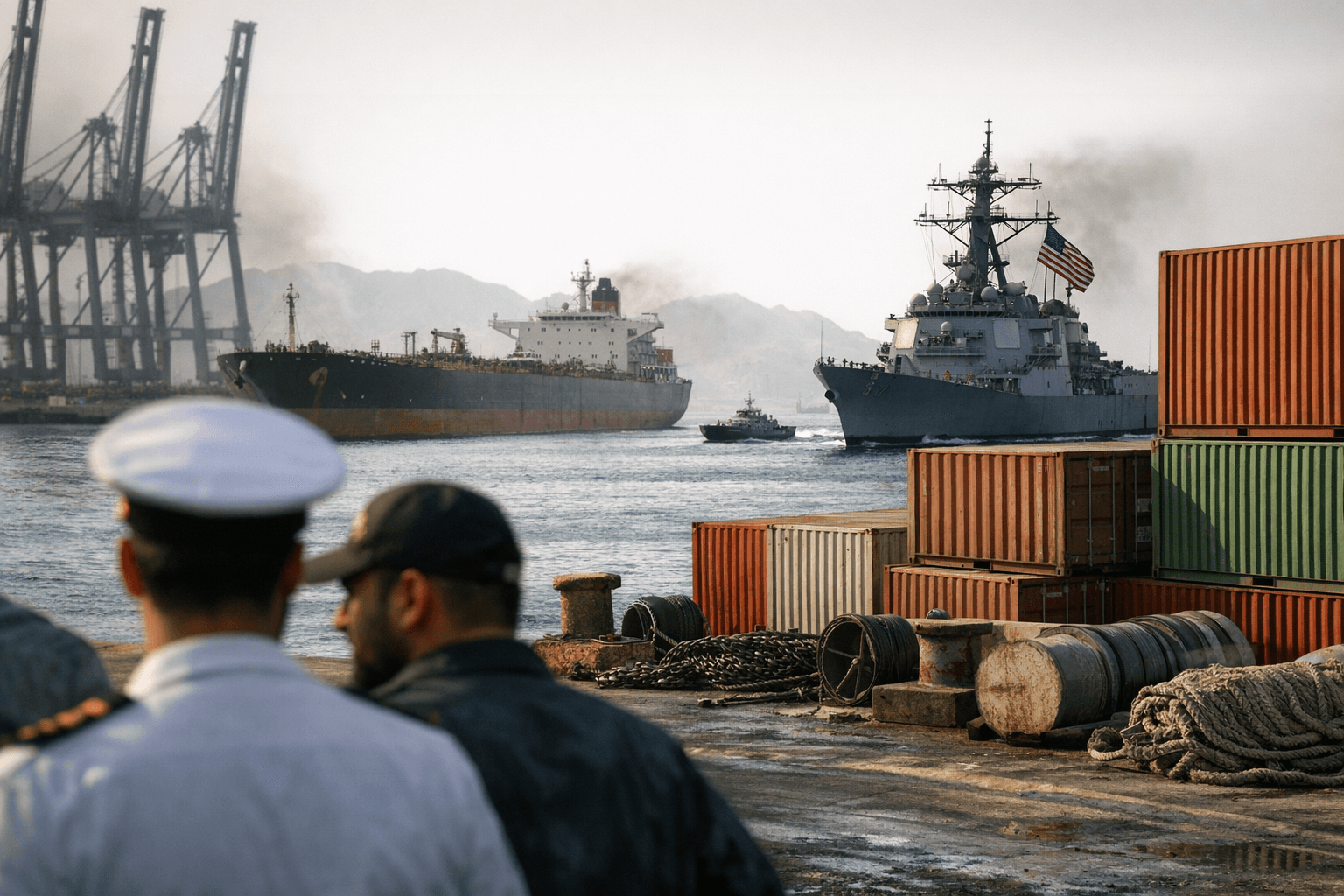
A U.S. blockade shut down Iran’s sea trade and sent six merchant vessels back into port, turning a diplomatic rupture into an economic pressure campaign with immediate global stakes.
U.S. Central Command said the blockade began April 13 at 10 a.m. ET and covered all maritime traffic entering or leaving Iranian ports and coastal areas, including the Arabian Gulf, Gulf of Oman and the approaches to the Strait of Hormuz. More than 10,000 U.S. sailors, Marines and airmen, backed by over a dozen warships and dozens of aircraft, were involved in enforcing the order, which the military said applied to vessels of all nations.
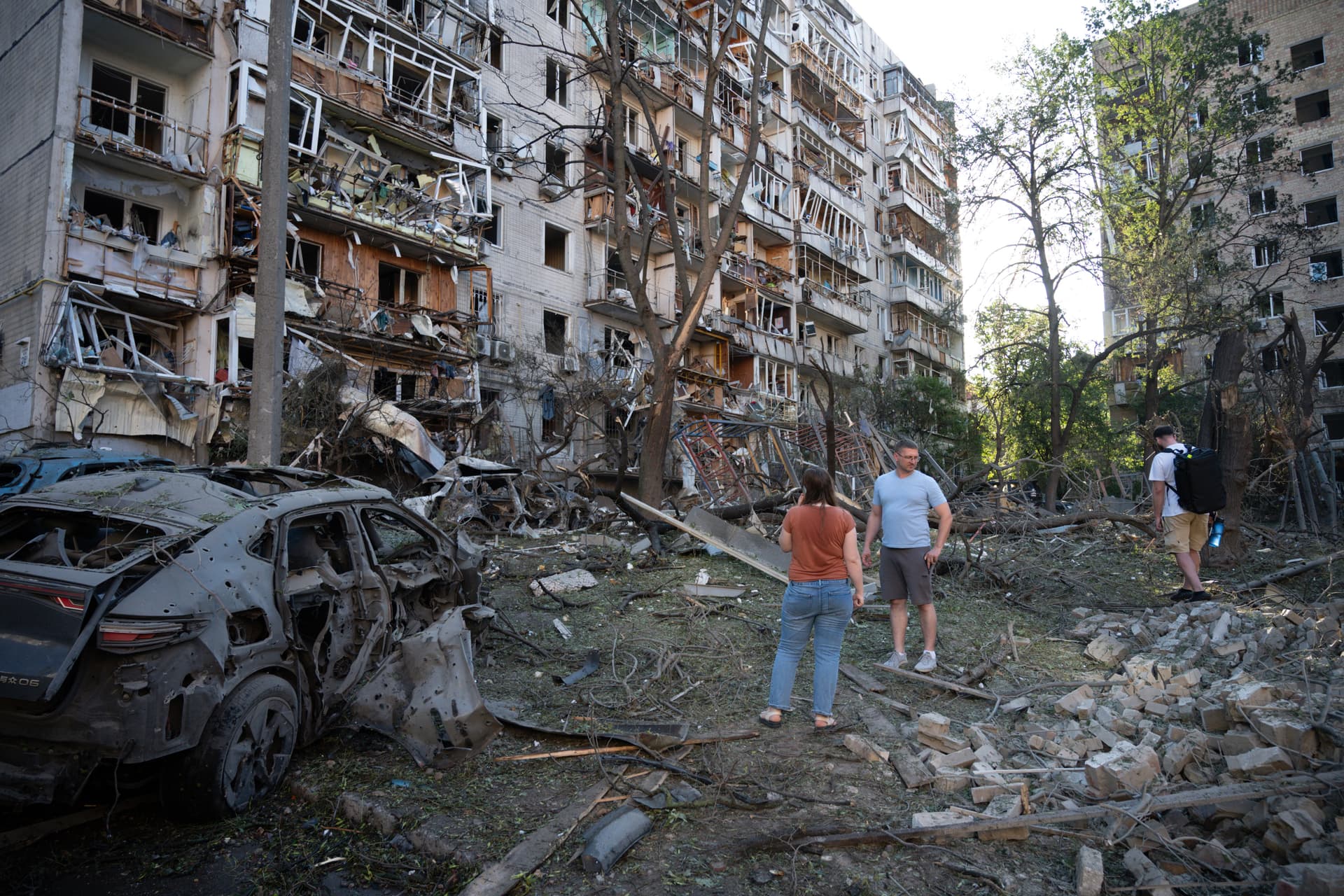
The first 24 hours showed how quickly that threat could ripple through commerce. CENTCOM said no ship got past the blockade and six merchant vessels were ordered to turn around and re-enter an Iranian port on the Gulf of Oman. Maritime analysts reported ships reversing course in the Persian Gulf and the Oman gulfs, underscoring that even the prospect of interdiction can freeze routes before a single shot is fired.
The stakes reach far beyond Iran’s own exports. The U.S. Energy Information Administration said the Strait of Hormuz carried about 20 million barrels per day in 2024, equal to roughly one-fifth of global petroleum liquids consumption. The agency also said about one-fifth of global LNG trade moved through the strait. The International Energy Agency says the passage is the primary export route for oil from Saudi Arabia, the United Arab Emirates, Kuwait, Qatar, Iraq, Bahrain and Iran, making it one of the world’s most consequential energy chokepoints.
President Donald Trump ordered the blockade after talks with Iran broke down over the weekend in Islamabad. Iranian military officials condemned the move as illegal and called it piracy, warning that no Gulf ports would be safe if Iran’s own ports were threatened. That warning, paired with the blockade’s reach across the Arabian Gulf, Gulf of Oman and Strait of Hormuz approaches, raises the risk of retaliation that could spread to shipping insurers, tanker traffic and oil prices well beyond the region.
The broader danger is not only that Iran’s ships were halted, but that global trade now has to price in a new layer of military enforcement in waters that carry a fifth of the world’s oil and a major share of its gas.
This article was produced by Prism’s automated news system from verified source data, official records, and press releases, then run through automated quality and moderation checks before publishing. The system is built and supervised by the people who set the standards it runs under. Read our full AI policy.
Did this article answer your question?