U.S. boosts domestic titanium feedstock with IperionX support
IperionX receives final $4.6M tranche and 290 metric tons of titanium scrap to scale U.S. feedstock for metal additive manufacturing.
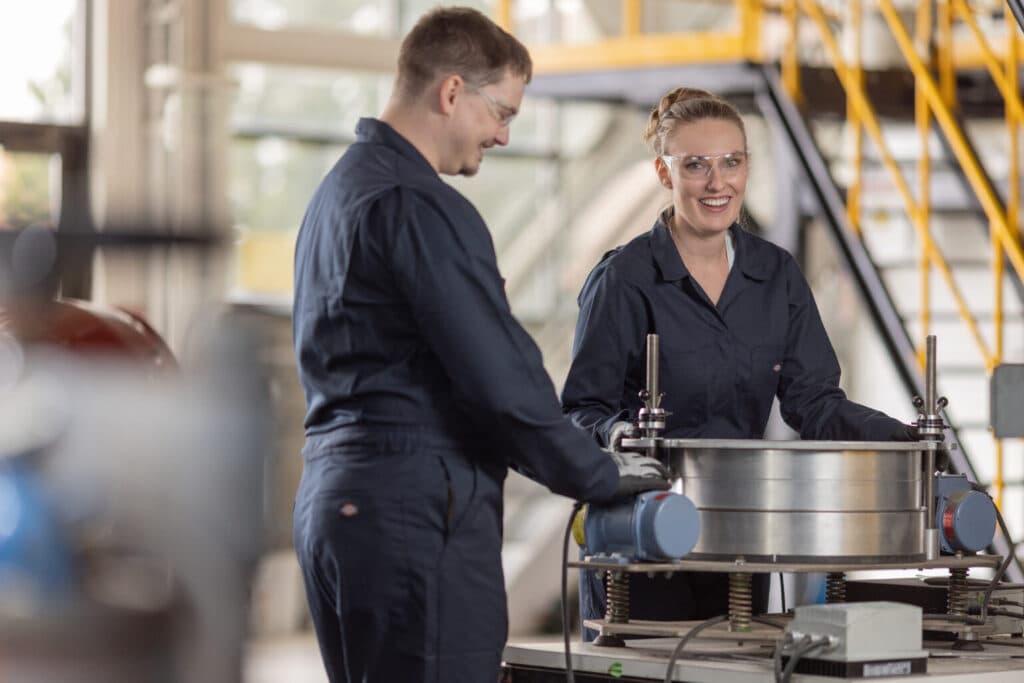
IperionX has received the final $4.6 million tranche of funding from the U.S. Department of War under the Industrial Base Analysis and Sustainment program, completing roughly $47.1 million in contracted support to date. At the same time the government transferred about 290 metric tons of high-quality titanium scrap to the company, a material injection intended to accelerate domestic titanium production and additive manufacturing feedstock readiness.
The funding and material transfer target a persistent bottleneck in aerospace and defense metal additive manufacturing: reliable, domestically sourced titanium. IperionX, a titanium metal and materials firm, operates at a current capacity of roughly 200 tonnes per annum. The 290 metric tons of scrap equals about 1.5 years of feedstock at that rate, creating a significant buffer as the company works to scale production and move material toward AM supply chains.
For powder bed fusion shops and suppliers that rely on titanium alloys, the practical upside is straightforward. A larger domestic supply base can shorten lead times, reduce exposure to long international procurement cycles, and make qualification tracking more predictable. Part qualification for aerospace and defense often hinges on feedstock provenance and repeatability; expanding local options could smooth those timelines and cut the administrative friction that stalls builds and contracts.
The transfer does not itself produce AM-ready powder, but it is a foundational step. Processing scrap into alloyed ingots, sponge, or powder and then qualifying those batches for flight-critical use takes time and testing. Still, the infusion of material and government support gives IperionX runway to invest in processing, testing, and scaling steps that feed powder makers and downstream AM shops.

Community implications extend beyond lead times. Increased domestic volume can help stabilize pricing volatility for titanium powders, enable smaller suppliers to source tested feedstock more reliably, and support onshoring efforts that defense prime contractors have prioritized. For machine operators working with LPBF and other titanium processes, the change could reduce the frequency of emergency buys that force compromises on supplier selection or material traceability.
Watch for next milestones that will matter to the AM community: announcements about conversion of the scrap into qualified alloy forms, pilot powder batches, qualification test results, and distribution plans to powder manufacturers or AM service providers. Verify feedstock specifications and certification chains as new material comes online, and expect procurement cycles to slowly shift as domestic supply capacity grows. The move marks a meaningful step toward more resilient titanium feedstock flows for the U.S. metal AM ecosystem.
Sources:
Know something we missed? Have a correction or additional information?
Submit a Tip