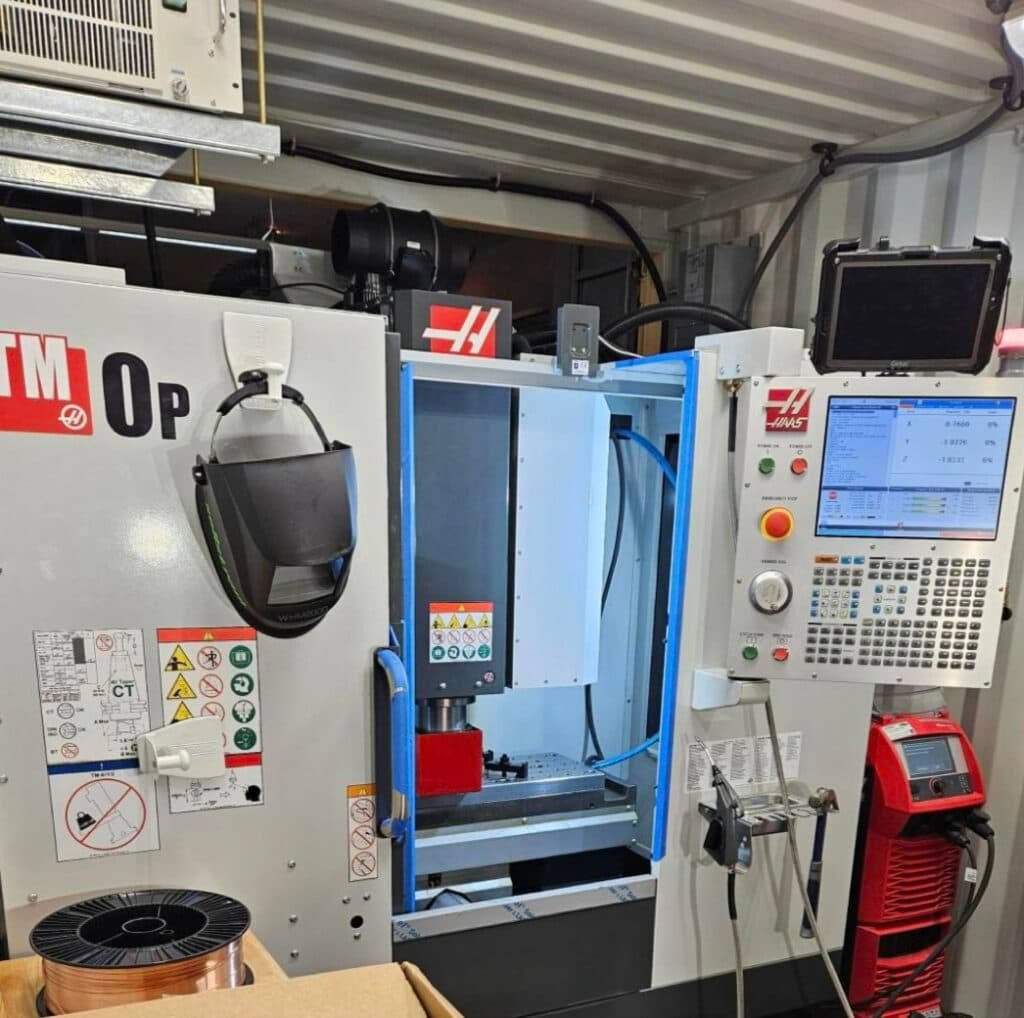
Velo3D, Army GVSC Launch CRADA to Qualify AM Parts
Velo3D and the Army GVSC launched a CRADA to qualify additively manufactured parts using Sapphire LPBF and the Rapid Production Solution, aiming to speed repairs and enable production-scale AM insertion.

Velo3D announced a Cooperative Research and Development Agreement with the U.S. Army DEVCOM Ground Vehicle Systems Center to develop and qualify additively manufactured parts and assemblies for Army ground vehicle supply chains. The collaboration will use Velo3D’s Rapid Production Solution and Sapphire laser powder bed fusion systems to move AM parts from prototype to production-ready status, addressing readiness and repair delays in sustainment workflows.
The CRADA focuses on rapidly prototyping AM alternatives to traditionally subtractive parts, exploring qualified alloys for large-format printing, and building the processes required for production-scale insertion of AM parts into Army sustainment operations. A key emphasis is on domestic assembly of Sapphire systems to meet Department of Defense integration expectations, combined with in-situ monitoring and cybersecurity readiness for secure field use.
For the AM community, the effort targets practical barriers that have slowed defense adoption: repeatable qualification, traceable process controls, and material approvals for larger builds. Qualifying alloys for large-format LPBF is especially significant because it opens the door to replacing bigger, conventionally machined components with lattice-enabled lightweights and consolidated assemblies that reduce part count and repair time. The Rapid Production Solution is intended to bridge lab-scale printing and actual supply chain throughput by standardizing workflows and demonstrating surge capacity during critical repairs.
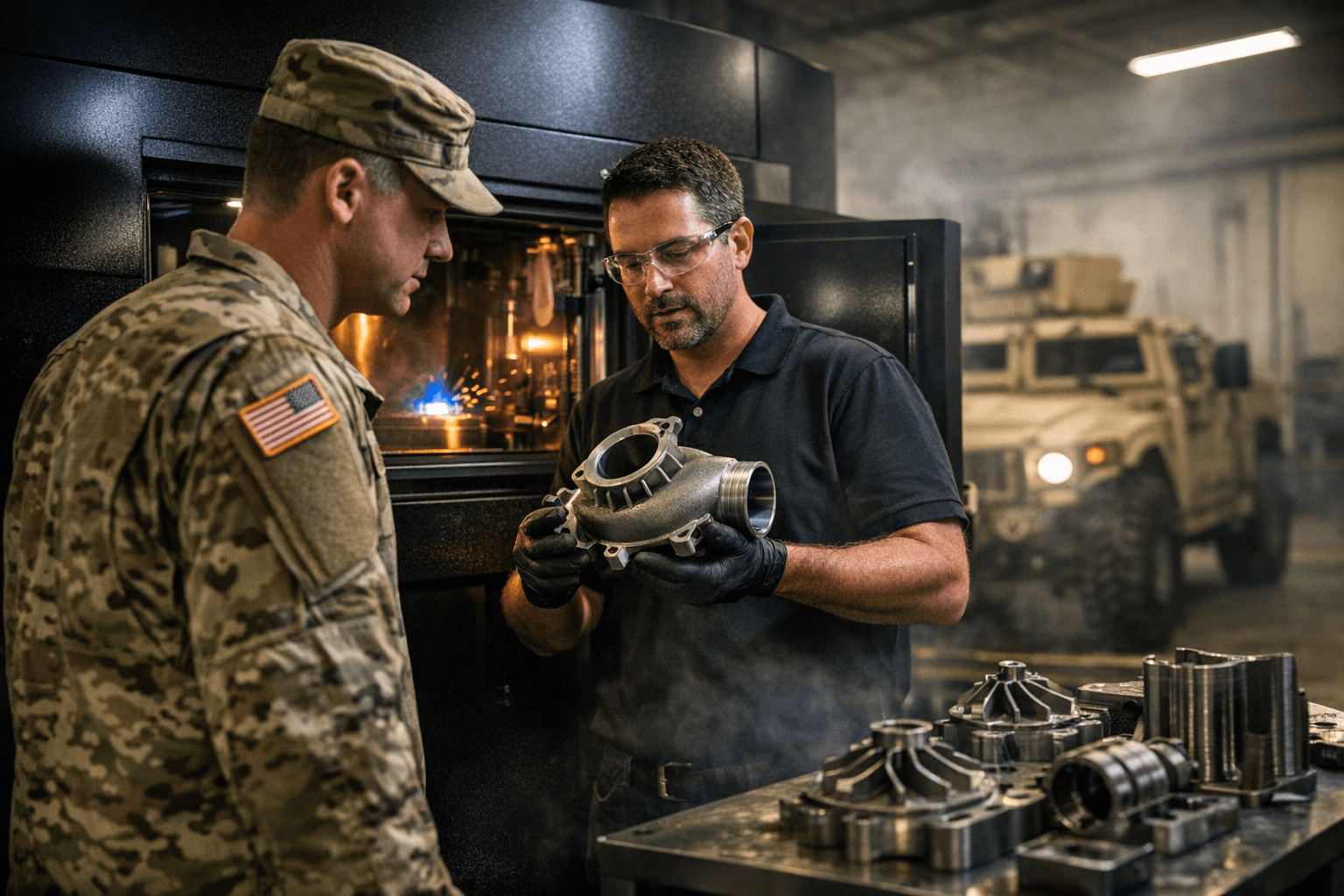
GVSC’s interest in AM for ground vehicle sustainment connects directly to mission readiness. Additive manufacturing can shorten lead times for low-run or obsolete parts, cut logistics tails, and provide localized repair options that reduce vehicle downtime. The CRADA aims to validate those benefits under defense constraints, with attention to cybersecurity measures that protect build files, machine networks, and in-situ monitoring streams during qualification and production.
The collaboration also matters to contract manufacturers, service bureaus, and makers with defense contracts who track qualified equipment and approved processes. Domestic assembly of Sapphire systems signals a supply chain posture that aligns with DoD preferences for onshore industrial bases and controlled assembly. Demonstrated in-situ monitoring and cybersecurity readiness may become part of the acceptance criteria for printers used in sustainment roles.

Next steps will include test builds, alloy qualification trials, and the development of documented workflows for insertion into Army sustainment. Track qualification milestones and published process parameters to see which geometries and materials clear the bar for operational use. For those following AM in defense, the CRADA is a practical move from capability demos toward qualified, production-scaled AM that could shrink repair timelines and add surge capacity where it matters most.
Sources:
Know something we missed? Have a correction or additional information?
Submit a Tip