U.S. business inventories rise more than expected in February, lifting growth outlook
Wholesalers drove a 0.4% February inventory rise to $2.69 trillion, a small but telling sign that first-quarter growth may get a lift.

A larger-than-expected build in business inventories gave the U.S. economy a modest boost heading into the first quarter, with wholesalers leading the rebound and signaling that firms were restocking rather than letting shelves run thin.
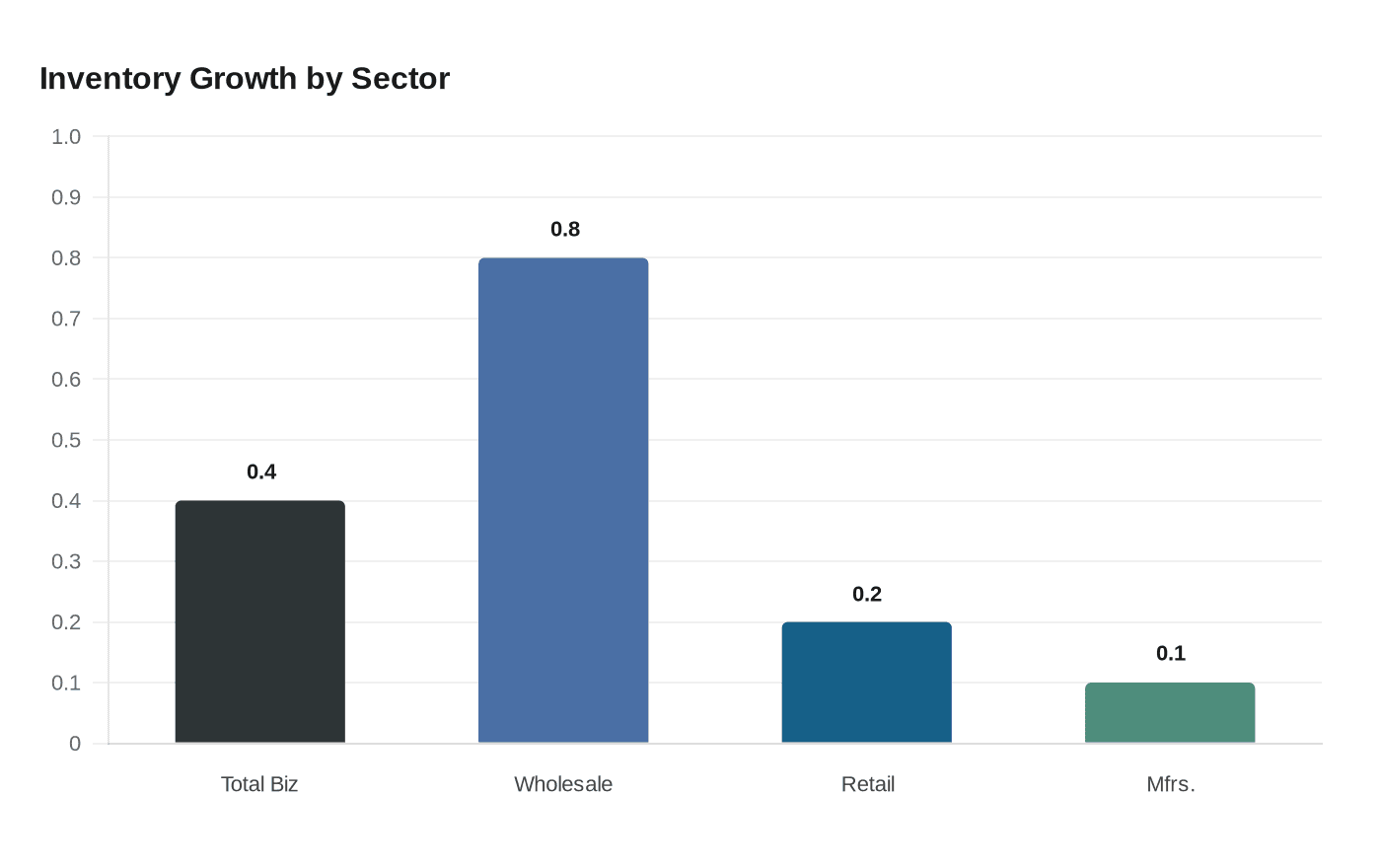
Total business inventories rose 0.4% in February to $2,686.8 billion, after January was revised to show inventories were unchanged at $2,676.9 billion. Economists had expected a smaller 0.3% gain. The increase was not dramatic, but it was enough to suggest inventory investment could add to first-quarter gross domestic product at a time when growth has been running below the pace seen late last year.
The details matter. Wholesale inventories jumped 0.8% to $919.6 billion, the strongest increase since January 2025, while wholesale sales rose 2.7% to $751.9 billion. That pushed the wholesalers’ inventories-to-sales ratio down to 1.22 from 1.31 a year earlier, a sign that stocks were not piling up faster than demand. Retail inventories rose 0.2% in February, and manufacturers’ inventories edged up 0.1%, reinforcing the impression that the broad increase was steady rather than runaway.
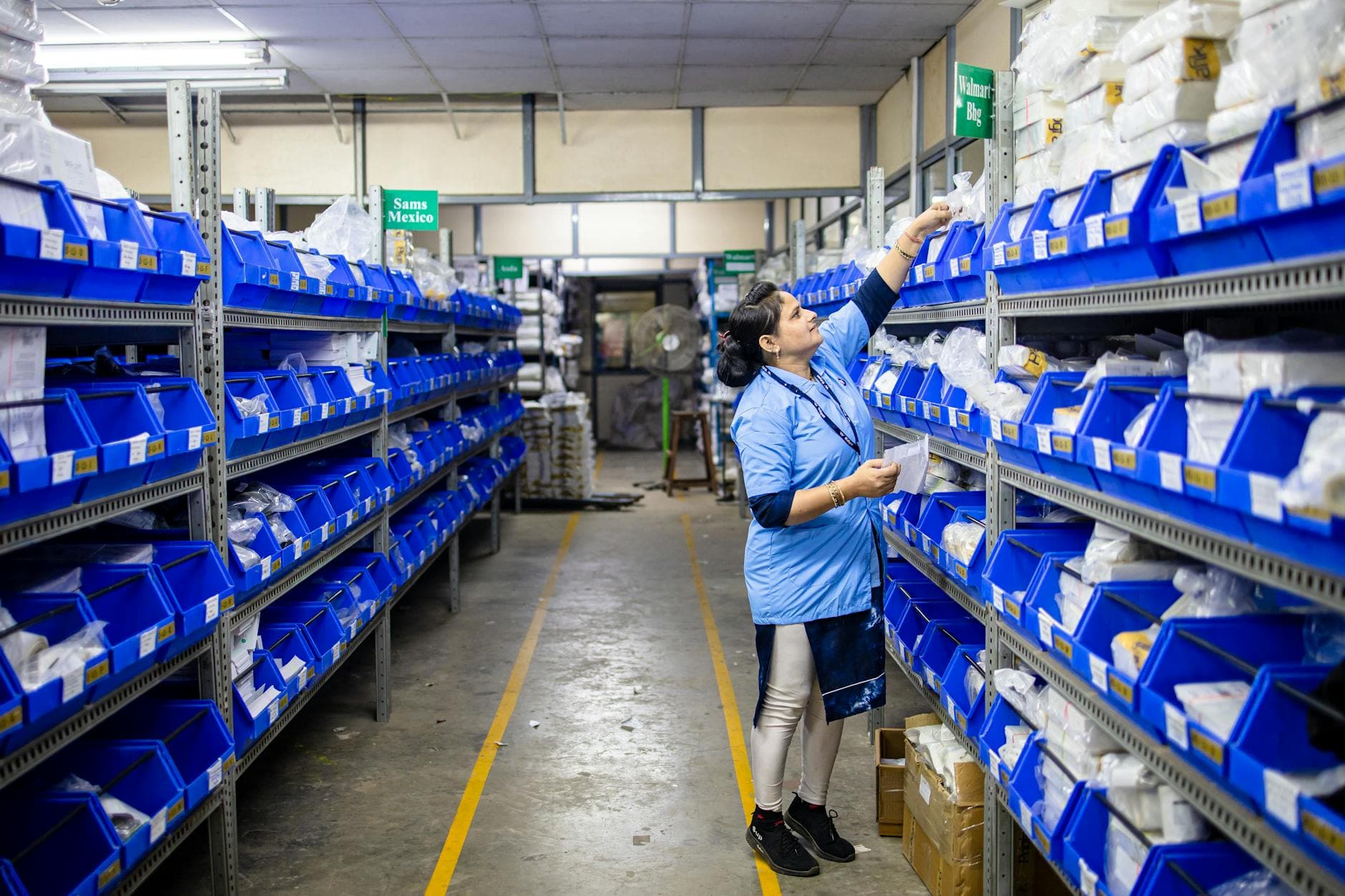
That mix points to a recovery in stock building more than a warning sign of goods going unsold. When inventories rise because businesses expect stronger demand, the move can lift output and support GDP. When they rise because products are sitting on shelves, they can eventually lead to production cuts, markdowns, and weaker margins. February’s numbers leaned closer to replenishment than overhang, especially because wholesale sales were rising at a faster clip than wholesale stocks.
The broader backdrop makes the report more important. Business inventories made only a small contribution to the economy’s 0.5% annualized growth rate in the fourth quarter, after the economy expanded at a 4.4% pace in the July-to-September period. At the time of the report, the Atlanta Federal Reserve was tracking first-quarter GDP growth at 1.3% annualized, so even a modest inventory lift mattered for economists trying to judge whether the slowdown reflected softer demand or just a temporary pause in business spending.
The Census Bureau said the release schedule had been delayed by last year’s government shutdown, and that March business inventories would be released on schedule next month. For now, February’s report suggests companies were carrying a little more stock than expected, enough to slightly improve the growth outlook without changing the broader picture of an economy still searching for firmer momentum.
This article was produced by Prism’s automated news system from verified source data, official records, and press releases, then run through automated quality and moderation checks before publishing. The system is built and supervised by the people who set the standards it runs under. Read our full AI policy.
Did this article answer your question?

