U.S. calls Iran a state sponsor of wrongful detention
An American journalist's plea for help highlighted Iran's use of detainees as leverage, as Washington formally branded Tehran a state sponsor of wrongful detention.
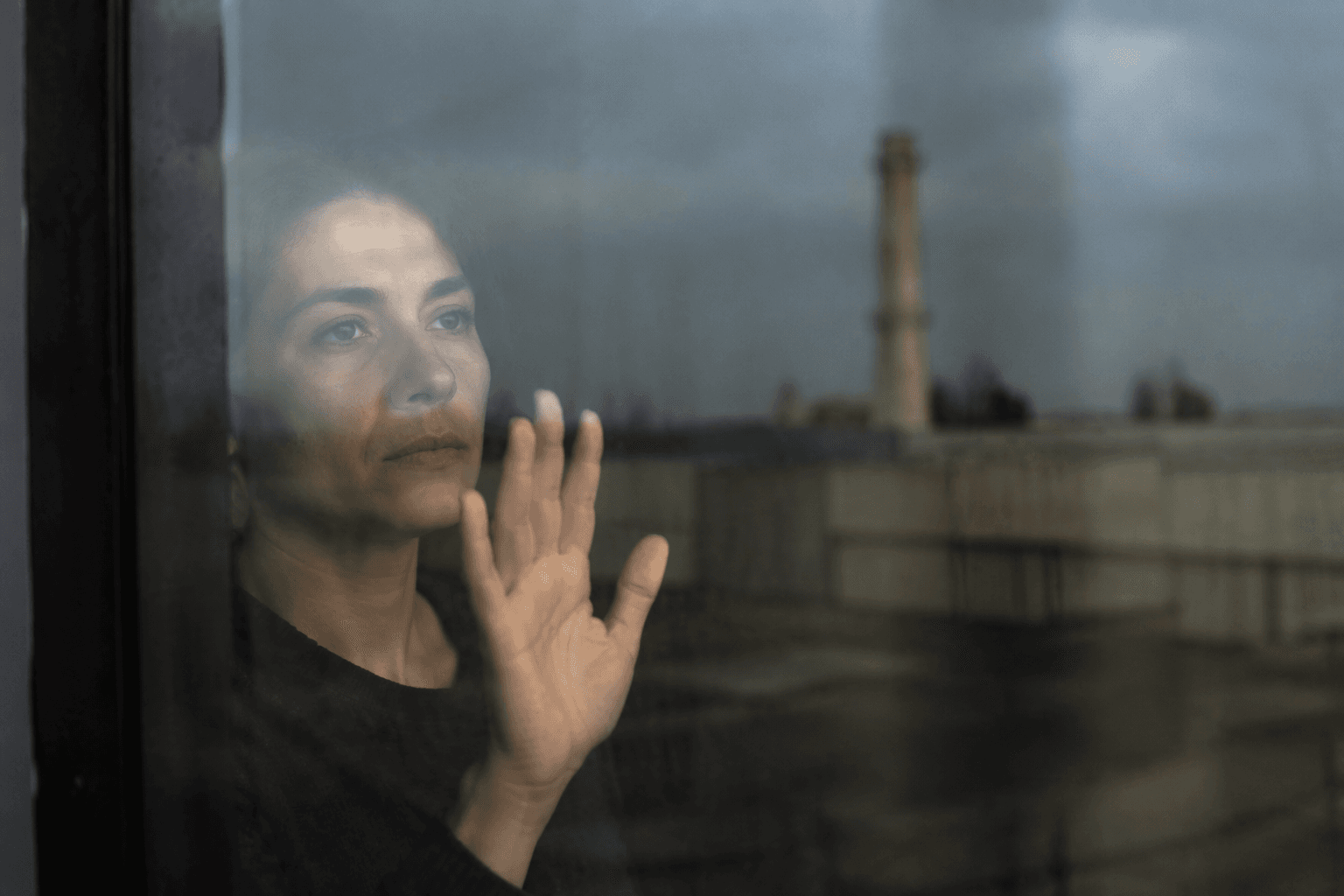
As Iran partially lifted its nationwide internet blackout, Margaret Brennan heard an American journalist’s plea for help, a reminder that the human cost of Tehran’s detention strategy is measured in families left waiting and Americans trapped far from home. Reza Valizadeh, the Iranian-American journalist the United States says is wrongfully detained inside a notorious prison, is one of six Americans being held by Iran.
The State Department formally designated Iran a State Sponsor of Wrongful Detention in February 2026, saying the government in Tehran has spent decades using Americans and other foreign nationals as political leverage. Officials say the designation reflects a broader national-security and foreign-policy problem, not a single case, and that the practice has become part of a pattern in which governments use detention as a bargaining chip.
Washington is pointing to results as well as rhetoric. The State Department says 76 Americans have been brought home since January 20, 2025, part of a coordinated interagency process that reviews cases for signs that a detention is wrongful. Congress reinforced that approach with the Countering Wrongful Detention Act of 2025, giving the government more tools to respond when Americans are seized abroad.
The historical backdrop is unmistakable. U.S. officials trace Iran’s use of detention for political ends to the 1979 hostage crisis at the U.S. embassy in Tehran, when the regime of Ayatollah Khomeini made American diplomats the center of a geopolitical confrontation that still shapes U.S.-Iran relations. More than four decades later, the same tactic remains active enough to draw a formal American designation.
The State Department’s current human-rights reporting on Iran describes severe abuses, including unfair trials, torture allegations, executions and harsh treatment of political prisoners. That picture matters because wrongful detention rarely happens in isolation. It sits inside a wider system of repression that makes it easier for authorities to press a case, isolate a prisoner and extract concessions through fear.
For families, the government’s message is to keep pressure on. The State Department’s hostage office says relatives of wrongfully detained Americans should work closely with U.S. officials, Congress and media advocates, while Washington says its goal is the detainee’s safe return home. In a region already strained by conflict and mistrust, the risk for Americans abroad now looks less like an abstraction than a recurring feature of statecraft.
This article was produced by Prism’s automated news system from verified source data, official records, and press releases, then run through automated quality and moderation checks before publishing. The system is built and supervised by the people who set the standards it runs under. Read our full AI policy.
Know something we missed? Have a correction or additional information?
Submit a Tip