Zelenskyy calls for direct talks with Putin as US focuses on Iran
Zelenskyy used a rare open letter to push Putin toward face-to-face talks, as Washington’s attention shifts to Iran and pressure for a deal intensifies.
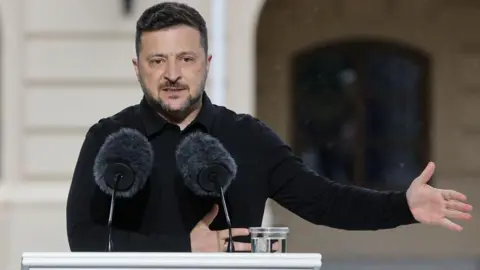
Volodymyr Zelenskyy used a rare open letter to send a message to three audiences at once: Vladimir Putin, the White House and a war-weary Ukrainian public. He said Ukraine was ready for a full ceasefire during negotiations and called for a face-to-face meeting with the Russian president in a neutral country, arguing that only direct engagement could end the war.
Published on June 4, 2026, the letter was described as the first public message Zelenskyy had written directly to Putin since Russia’s full-scale invasion in 2022. It came after months of stalled diplomacy and as the war entered its fifth year, with Zelenskyy again insisting that the hardest issues, especially territory, could not be settled by aides or intermediaries. He asked for a clear date for a meeting and ruled out Moscow as a venue before the Kremlin even responded.
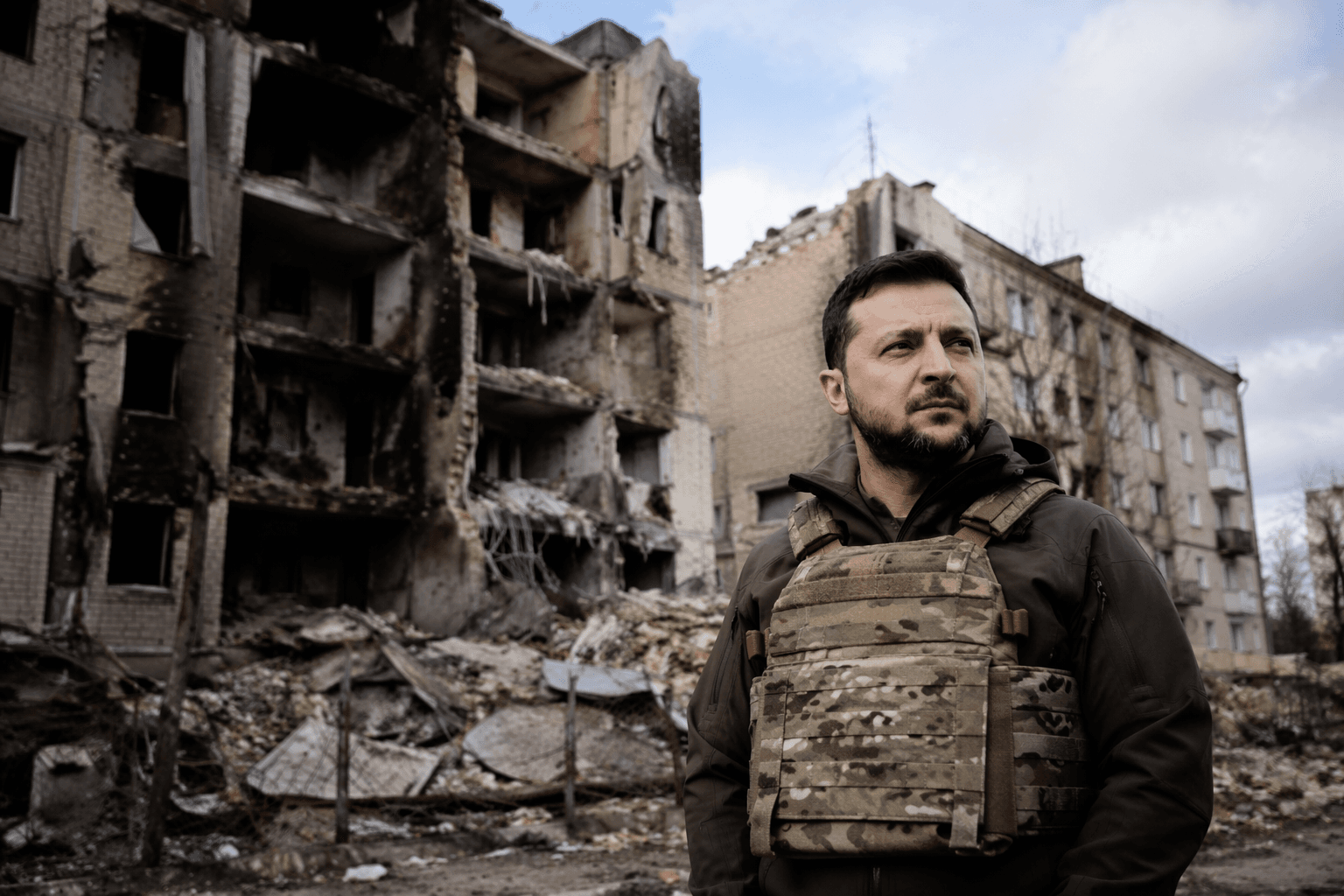
The timing was as pointed as the proposal itself. Zelenskyy said the United States was now fully focused on Iran and warned it would be wrong to wait until the war in Europe returned to the center of Washington’s attention. In effect, he cast the letter as a strategic signal: Ukraine wanted to look ready for talks, but not desperate, while pressing allies to keep Europe from sliding down the agenda as a new crisis absorbed the Biden administration’s successor, Donald Trump. Trump called a Putin-Zelenskyy meeting “great” and urged both sides to compromise.
The Kremlin said Putin had not yet been shown the letter and floated Moscow as the place for a meeting, a suggestion Zelenskyy had already rejected. That exchange sharpened the broader question hanging over the proposal: whether direct talks would mark a real shift in war aims or simply expose which side was trying hardest to appear reasonable. Zelenskyy framed the conflict as a personal choice by Putin and linked the Russian war effort to inflation, fuel shortages and growing war fatigue, arguing that Russia’s internal strain made peace more plausible.
The letter also landed amid a fresh wave of Ukrainian drone attacks on Russian territory, including strikes near St. Petersburg. Moscow said the attacks underscored the need to strengthen air defenses, even as Zelenskyy argued that Russia’s military and economic pressure was building. By sending the appeal not only to Putin but also to other countries, including the United States, Zelenskyy turned a diplomatic gesture into a public test of resolve, timing and credibility at a moment when Washington’s attention was moving elsewhere.
This article was produced by Prism’s automated news system from verified source data, official records, and press releases, then run through automated quality and moderation checks before publishing. The system is built and supervised by the people who set the standards it runs under. Read our full AI policy.
Know something we missed? Have a correction or additional information?
Submit a Tip