U.S. Coast Guard Launches Criminal Investigation Into Disappearance of Lynette Hooker
The U.S. Coast Guard opened a criminal investigation into Lynette Hooker's disappearance near Elbow Cay as Bahamian police arrested her husband Brian as a suspect.
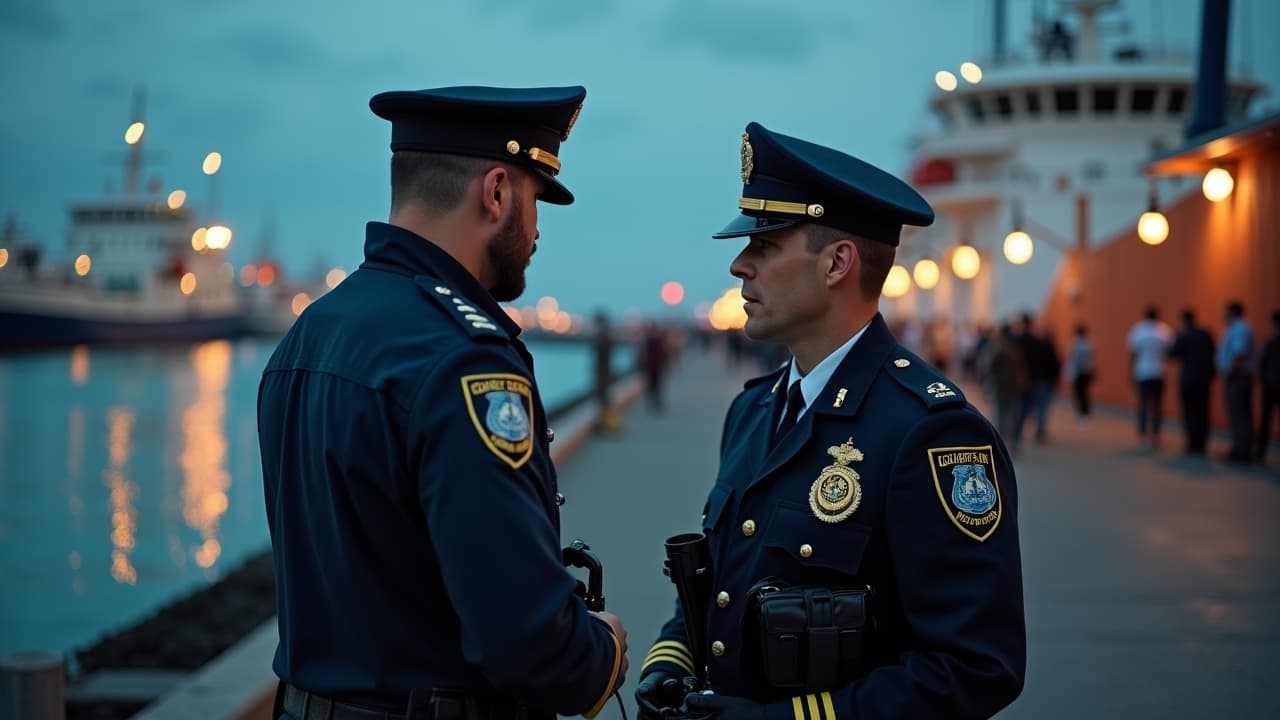
The U.S. Coast Guard opened a criminal investigation Wednesday into the disappearance of Lynette Hooker, 55, of Onsted, Michigan, who vanished from an 8-foot dinghy near Elbow Cay in the Bahamas last Saturday night, as Bahamian police simultaneously arrested her husband, Brian Hooker, 59, as a suspect.
The Coast Guard's move to lead the criminal probe reflects how cross-border maritime cases involving American citizens are typically handled: Bahamian authorities retain jurisdiction over any crimes that occurred in their territorial waters and conducted the arrest, while the U.S. Coast Guard, with broad investigative authority over maritime incidents involving U.S. nationals, directs the criminal inquiry in parallel. The U.S. State Department confirmed it was "aware of reports regarding a missing American near Elbow Cay" and was coordinating with Bahamian authorities.
According to the Royal Bahamas Police Force, the couple departed Hope Town on the Abaco Islands aboard the small dinghy at approximately 7:30 p.m. Saturday, bound for Elbow Cay where their yacht, "Soulmate," was moored. Brian Hooker told police that Lynette went overboard holding the boat's ignition keys, which caused the engine to cut off. He said strong currents carried her away before he lost sight of her. Without engine power, he paddled for hours before reaching the Marsh Harbour Boat Yard at around 4 a.m. Sunday, where he told someone what had happened; that person then alerted authorities.
The Hope Town Volunteer Fire and Rescue was notified at 5:12 a.m. Sunday and conducted a six-hour search of the area. The Coast Guard also carried out an hourlong aerial search. Bahamian authorities have since transitioned the operation from search and rescue to recovery.
Bahamian Assistant Commissioner of Police Advardo Dames confirmed Brian Hooker was taken into custody around 7:30 p.m. Wednesday in Marsh Harbour "based on some probable cause we have." Dames described Hooker as "a suspect" who had been "arrested" but noted police were still questioning him. As of Wednesday evening, no formal charges had been filed. In the Bahamas, being taken into custody for questioning is a distinct legal step from being charged: police may detain a suspect while the investigation is active, and formal charges follow only after prosecutors review the evidence.

Brian Hooker's Bahamian attorney, Terrel Butler, issued a statement saying her client "categorically denies the allegations made against him" and that she had advised him to make no further public comments "to ensure the integrity of the legal process." Earlier Wednesday, Brian had posted on Facebook that he was "heartbroken over the recent boat accident in unpredictable seas and high winds" and said the "winds and currents drove us further apart."
Lynette's daughter, Karli Aylesworth, whose attorney Ron Marienfeld said the Coast Guard had interviewed her Wednesday, told investigators and media outlets that her mother had been sailing for more than a decade, was an experienced swimmer, and she could not understand how Lynette could have simply fallen overboard and disappeared. Aylesworth also alleged a history of domestic violence, saying Brian had previously threatened "to throw her overboard." Brian Hooker denied those claims in a separate written statement.
Marienfeld said the family welcomed the federal investigation. "We are pleased to see it is being investigated, and hopefully more answers will come to give the family some closure," he said.
The search for Lynette Hooker was ongoing Wednesday evening. With a criminal investigation now active across two jurisdictions, the case illustrates the layered legal reality Americans face abroad: foreign law governs the arrest and any prosecution, while U.S. agencies work in tandem to protect citizens' interests and investigate potential federal maritime crimes.
Sources:
Know something we missed? Have a correction or additional information?
Submit a Tip