U.S. completes blockade of Iran’s ports after failed peace talks
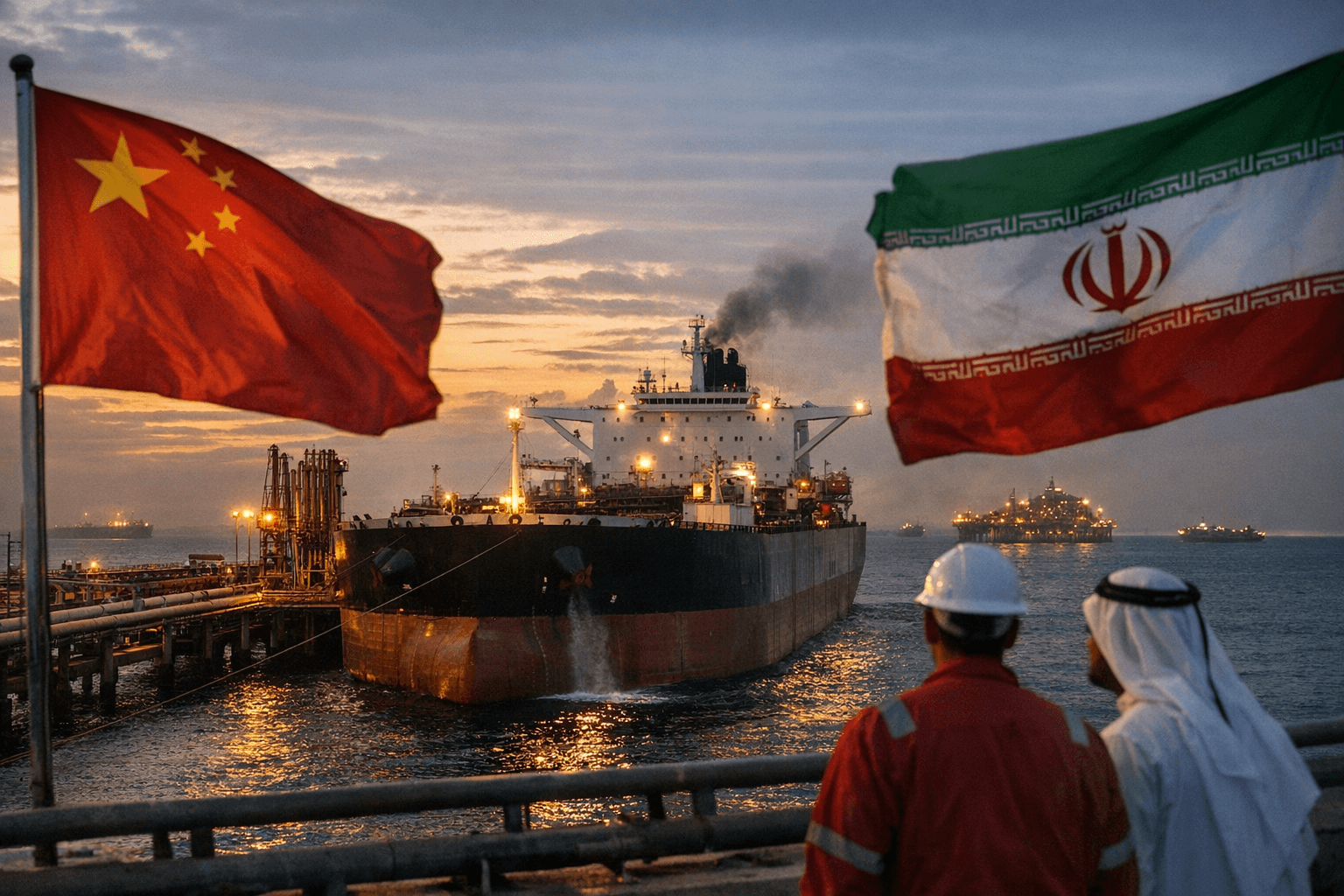
U.S. forces said they fully sealed Iran’s ports within 36 hours, cutting sea trade in a move that raises the stakes for oil flows and regional war.

U.S. forces have moved from strikes to strangulation at sea, fully sealing Iran’s ports in a pressure campaign that could test how far Washington is willing to go before the conflict spills into a broader regional war. By late Tuesday, U.S. Central Command said the blockade was complete, and commanders said the maritime shutdown had cut off economic trade going into and out of Iran by sea in less than 36 hours.
The blockade followed failed peace talks in Pakistan and a deadline from President Donald Trump that Iran reopen the Strait of Hormuz or face broader strikes on critical infrastructure. Trump had first announced “major combat operations” against Iran on Feb. 28, after massive joint U.S.-Israeli strikes hit Iranian leadership, missile and drone sites, air-defense systems and command-and-control facilities across the country. He later paused planned bombing for two weeks, but that restraint ended when talks broke down over Iran’s nuclear program.
Adm. Brad Cooper, the CENTCOM commander, said the blockade of Iranian ports had been fully implemented. He said the move had stopped maritime commerce in and out of Iran in under 36 hours, a severe blow to a country he estimated gets about 90% of its economy from international trade by sea. The blockade allows ships to pass through the Strait of Hormuz if they are traveling between non-Iranian ports, but it bars traffic tied to Iranian ports and coastal areas.
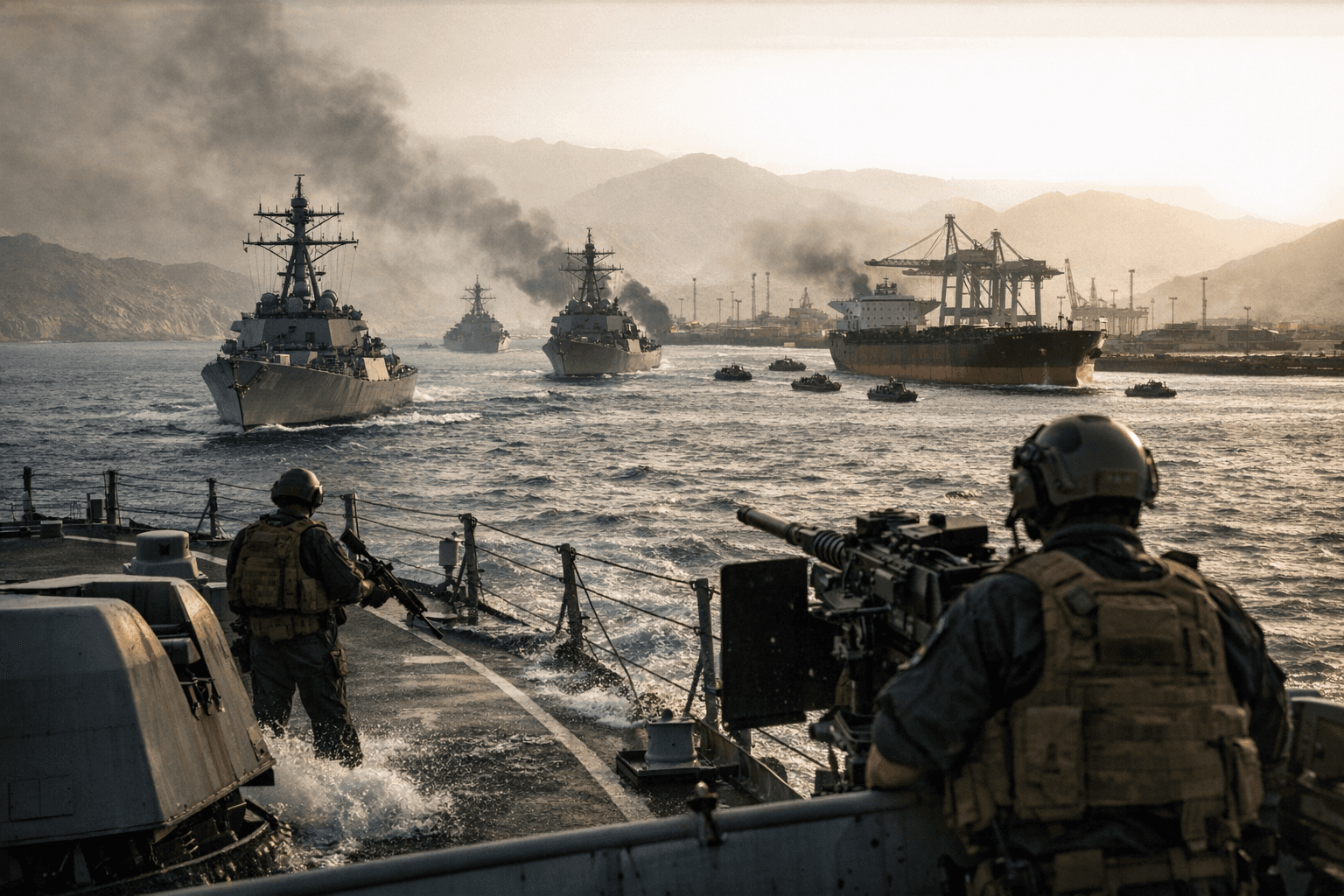
The first day of the shutdown offered an early measure of its bite. No ships made it past the blockade, and six merchant vessels turned back after receiving orders. That makes the maritime cordon more than a show of force; it is already altering ship movements in one of the world’s most sensitive energy corridors, where even limited disruption can rattle oil markets far beyond the Gulf.
The escalation comes against a widening regional backdrop. Iran retaliated after the initial strikes with drones and missiles aimed at Israel and at U.S. military installations in Bahrain, Kuwait, Qatar, the United Arab Emirates, Jordan and Saudi Arabia. Iranian state media, citing the Red Crescent, said at least 201 people were killed and more than 700 were injured in the early attacks. Israel has also kept up operations in Lebanon against Hezbollah, underscoring how quickly the fighting now reaches across multiple fronts with no clear off-ramp.
Know something we missed? Have a correction or additional information?
Submit a Tip