U.S. Deploys Over 50,000 Troops, Two Carriers to Middle East Amid Iran Tensions
Trump threatened to strike Iran's Kharg Island, which handles 90% of Tehran's oil, as CENTCOM confirmed 50,000+ U.S. troops deployed to the region.
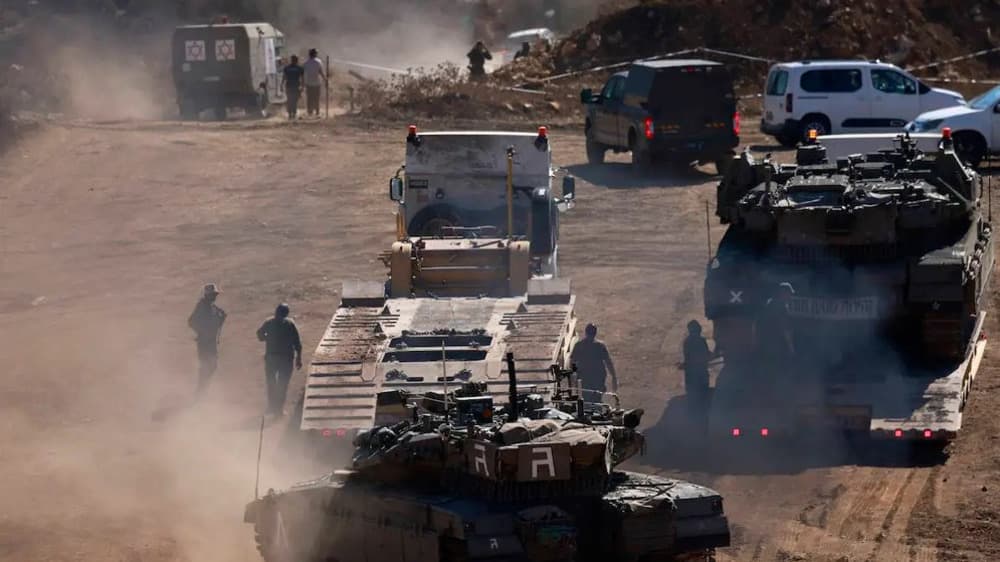
Even as President Donald Trump proposed a diplomatic deal with Iran this week, he left the alternative unambiguous: the U.S. "can take out" Kharg Island "at any time." The small island sits just 15 miles off the Iranian mainland and channels 90 percent of Tehran's oil exports. U.S. forces had already struck it, bombing naval mine sites the previous week.
That threat carried considerable weight behind it. U.S. Central Command confirmed that more than 50,000 American troops were deployed across the region in some capacity, supported by around 200 combat aircraft and two aircraft carriers. The current force level keeps American troop numbers roughly 10,000 above what the region typically sees, with the most recent additions including 2,500 Marines and 2,500 sailors.
Among the assets ordered in: 1,000 troops from the 82nd Airborne Division and just shy of 5,000 Marines traveling in two Marine Expeditionary Units. The 31st MEU, comprising 2,200 Marines, was aboard the USS Tripoli, which left Japan last week and was expected to arrive in the region by Friday. The Pentagon separately ordered the Boxer Amphibious Ready Group, three warships carrying the 11th MEU, from California, with a transit time of roughly three to four weeks.
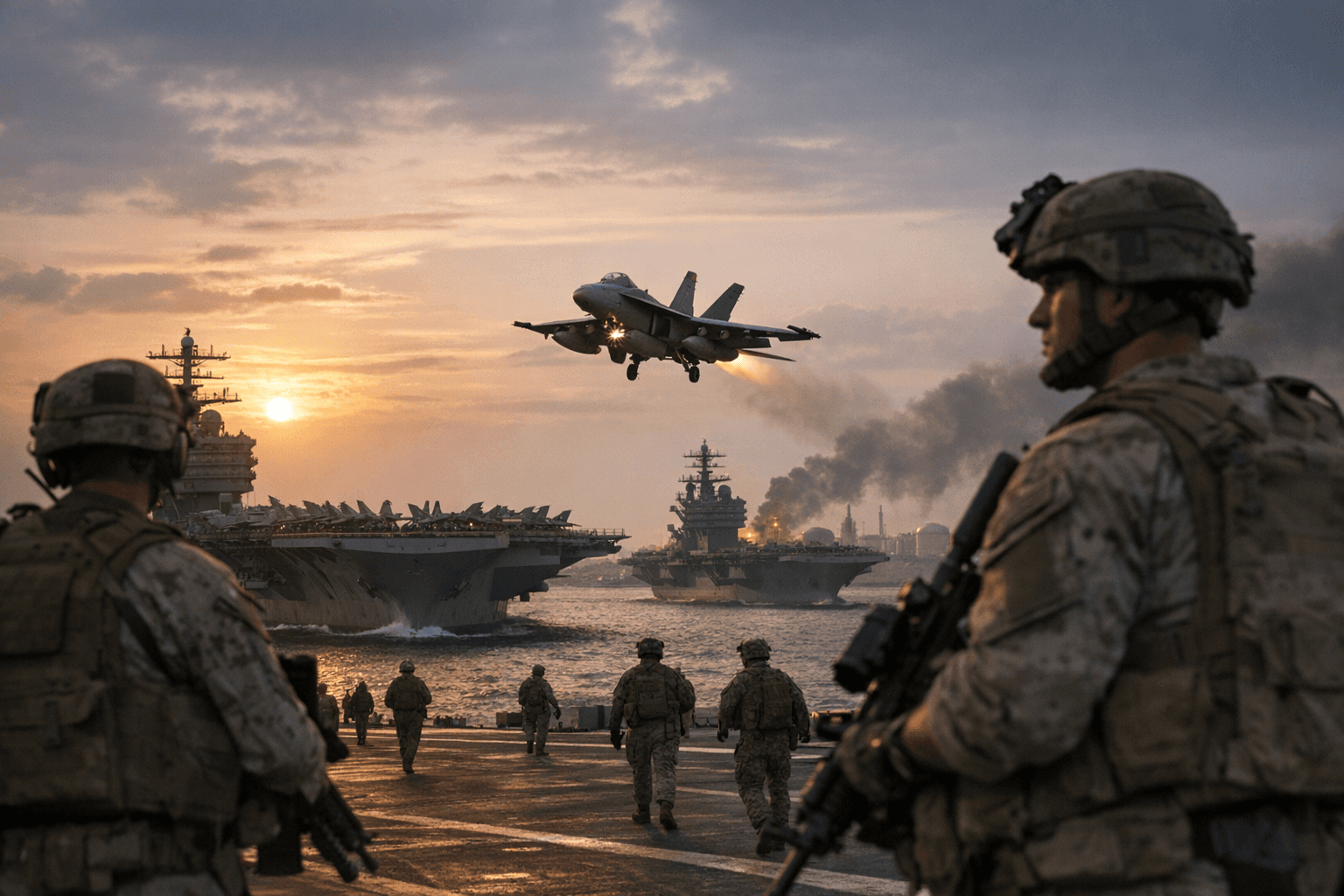
Deploying two large MEUs simultaneously to the Middle East is "unusual," according to retired U.S. Navy Vice Admiral Robert Murrett, now a professor of practice of public administration and international affairs at Syracuse University. He described Marines as "masters of missions like quickly taking control of islands," noting that establishing control over an island is "as front a center a mission" as these forces could have.
Murrett was equally direct about the limits of such a deployment. "They would likely work together as even combined, they would still be a relatively small force when pitched against what could be thousands of Iranian soldiers," he said. On sustained operations, he added: "They couldn't hold territory on Iran's coast for any length of time. These rapid-response units don't have enough soldiers or equipment to do this successfully."
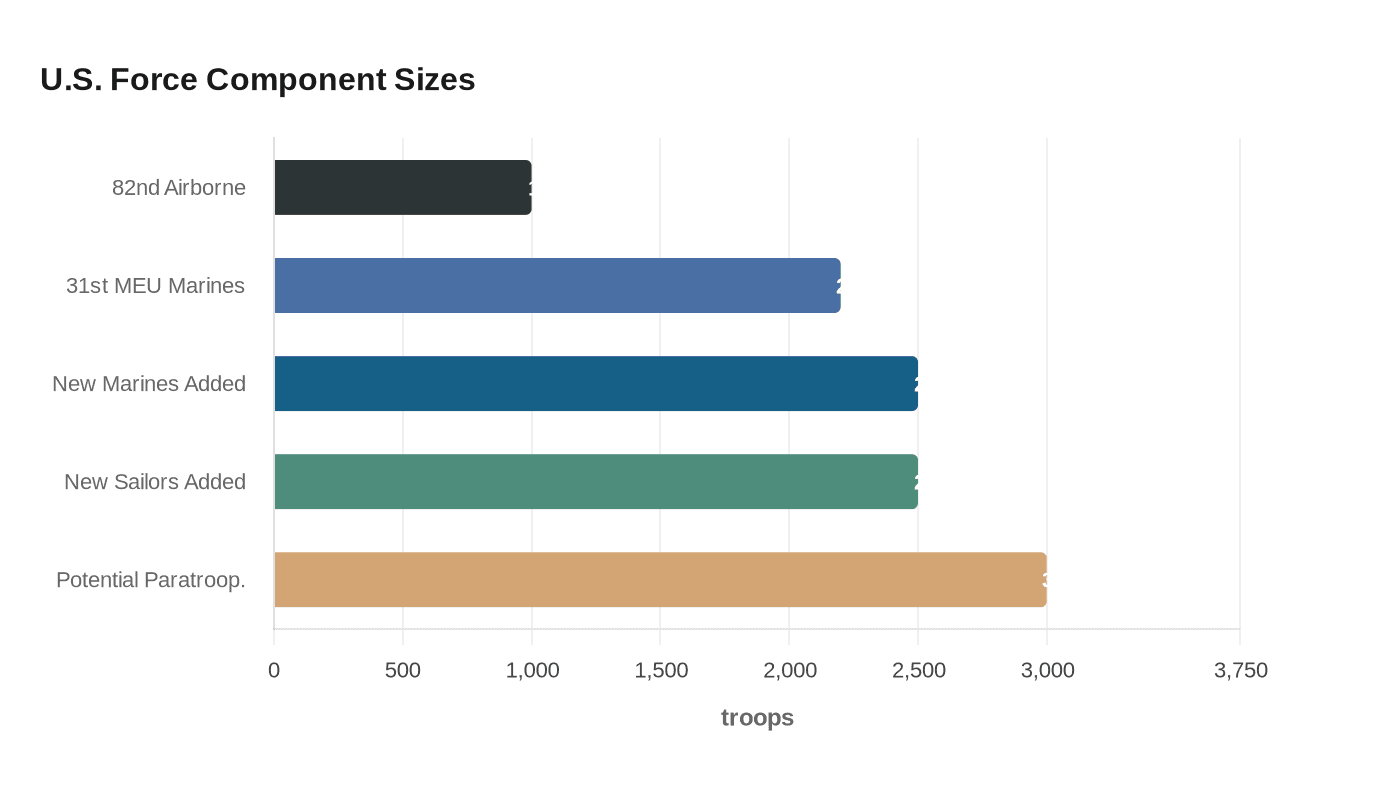
The reinforcements may not stop there. Up to 3,000 paratroopers could be joining the approximately 5,000 Marines already en route, a conditional addition that would push U.S. force levels in the region further past the 50,000 threshold.
Kharg Island, the focal point of Trump's most pointed threat, processed nine-tenths of Iran's oil export capacity before American aircraft struck its naval mine infrastructure. For these arriving Marine units, seizing such an island represents the precise mission they were built for. Whether the White House issues that order is a political calculation; whether the Marines could hold it afterward, Murrett made clear, is not a close call.
This article was produced by Prism’s automated news system from verified source data, official records, and press releases, then run through automated quality and moderation checks before publishing. The system is built and supervised by the people who set the standards it runs under. Read our full AI policy.
Did this article answer your question?


