U.S. disables two Iranian oil tankers amid Gulf of Oman blockade enforcement
U.S. forces crippled two Iranian oil tankers in the Gulf of Oman, widening a ceasefire already strained by gunfire in the Strait of Hormuz.
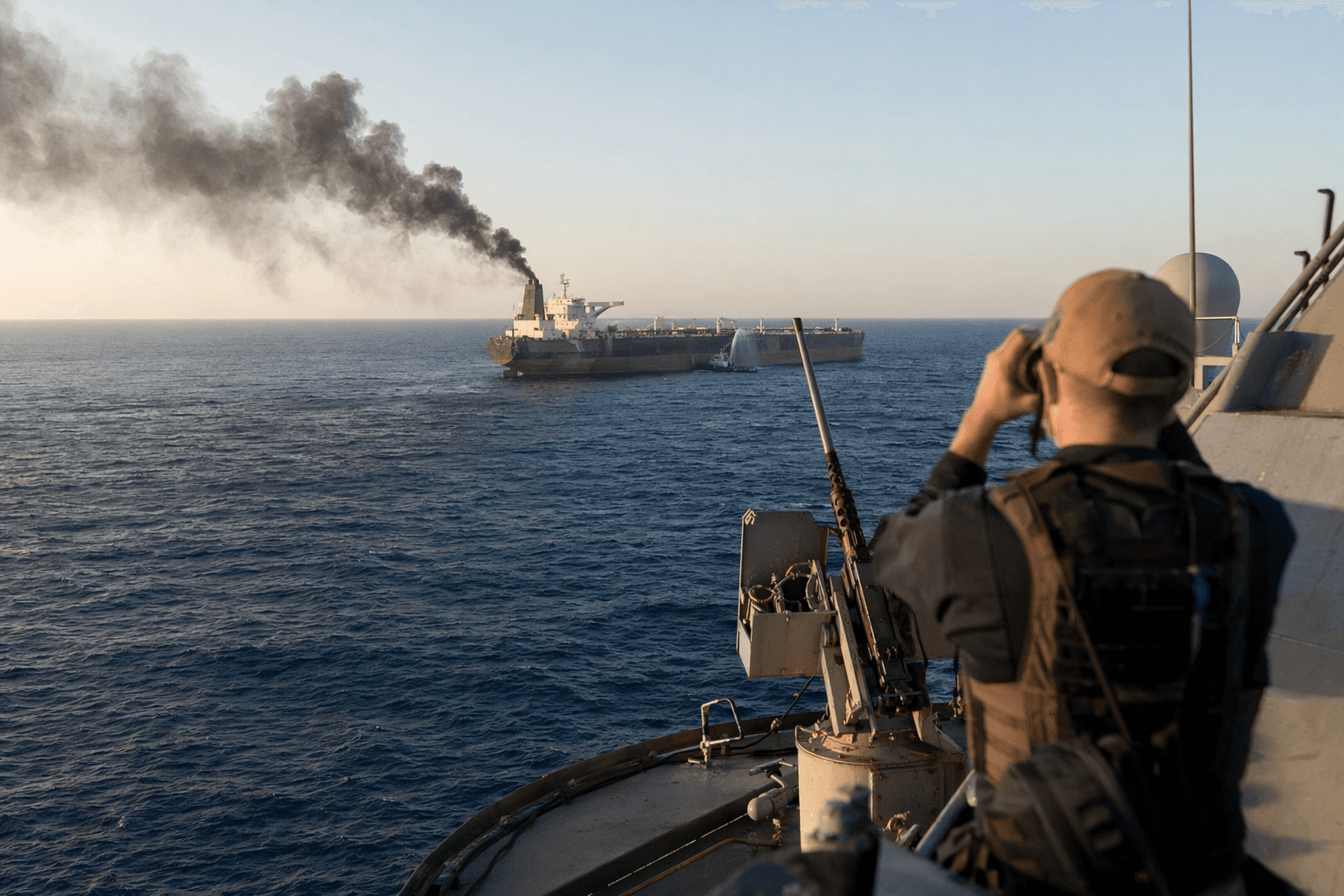
The ceasefire with Iran remained formally in place, but U.S. forces intensified pressure at sea on Friday by disabling two Iranian oil tankers in the Gulf of Oman, a move that underscored how quickly enforcement actions can turn a fragile truce into a wider political crisis. U.S. Central Command identified the vessels as M/T Sea Star III and M/T Sevda and said a U.S. Navy F/A-18 Super Hornet from the aircraft carrier USS George H.W. Bush fired precision munitions into their smokestacks, stopping both ships before they could enter an Iranian port.
The strikes came as Washington said it was enforcing a blockade of Iranian ports and coastal areas that began April 13, after CENTCOM announced on April 11 that all maritime traffic entering and exiting Iranian ports would be blocked. U.S. forces said they had redirected 57 commercial vessels and disabled four overall to keep ships from entering or leaving Iranian ports. The Friday action followed an earlier strike on Wednesday, when CENTCOM said it disabled another Iranian-flagged tanker in the Gulf of Oman. Together, the operations showed that the maritime fight was not a single incident but a sustained effort to choke off movement through one of the world’s most sensitive shipping corridors.
The military escalation unfolded alongside heavy friction in and near the Strait of Hormuz overnight Thursday-Friday. U.S. forces said they thwarted attacks on three Navy ships and struck Iranian military facilities in response. President Donald Trump described the earlier exchange of fire as “just a love tap” in comments to ABC News, while Secretary of State Marco Rubio said Friday he hoped to receive “a serious offer” from Iran on a U.S. proposal meant to end the war, reopen the Strait of Hormuz, and roll back Tehran’s nuclear program.
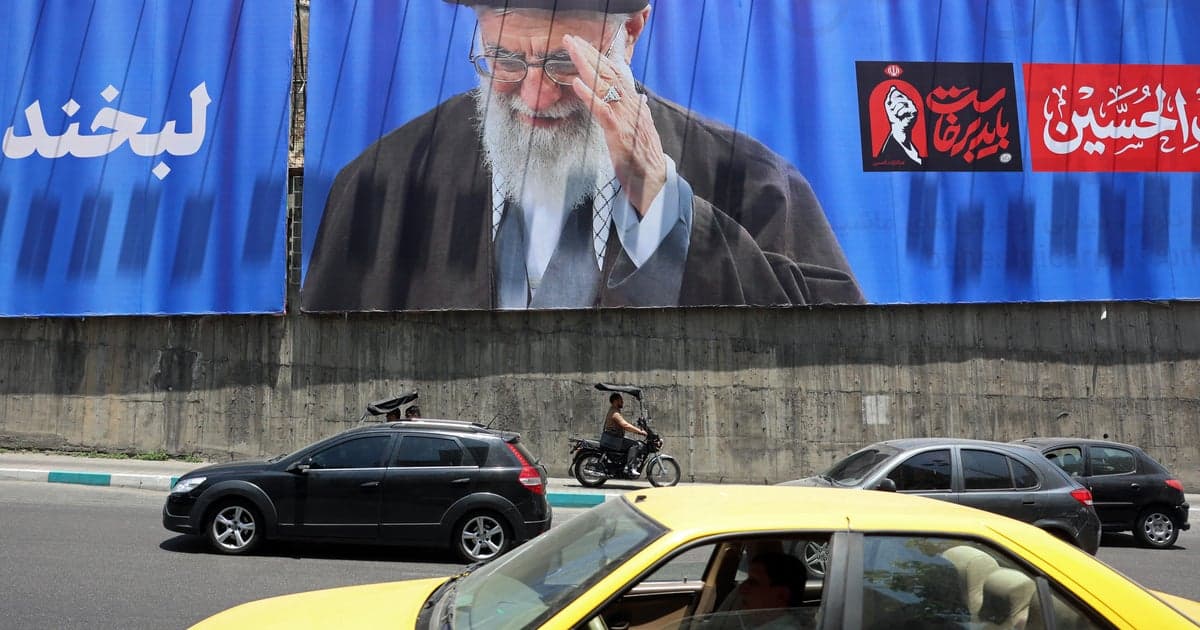
Tehran answered the tanker strikes in political terms as well as military ones. Iran’s Foreign Ministry called the U.S. action a violation of the ceasefire, and Foreign Minister Abbas Araghchi wrote on X that “Every time a diplomatic solution is on the table, the U.S. opts for a reckless military adventure.” The regional spillover was already visible: the United Arab Emirates said three people were wounded in a separate Iranian missile and drone attack on Friday.
Washington was also pressing a diplomatic and legal track. The State Department said the United States and Gulf partners had drafted a United Nations Security Council resolution to defend freedom of navigation in the Strait of Hormuz and require Iran to stop attacks, mining and tolling. The message from Washington was that the blockade would continue, even as each strike made the ceasefire look less like a settlement and more like a pause in a larger confrontation.
This article was produced by Prism’s automated news system from verified source data, official records, and press releases, then run through automated quality and moderation checks before publishing. The system is built and supervised by the people who set the standards it runs under. Read our full AI policy.
Did this article answer your question?