U.S. enters World Cup with goalkeeping, defensive worries, high hopes
Goalkeeping and center-back questions shadowed the U.S. as it chased its first World Cup knockout win since 2002 and a rare home-soil breakthrough.
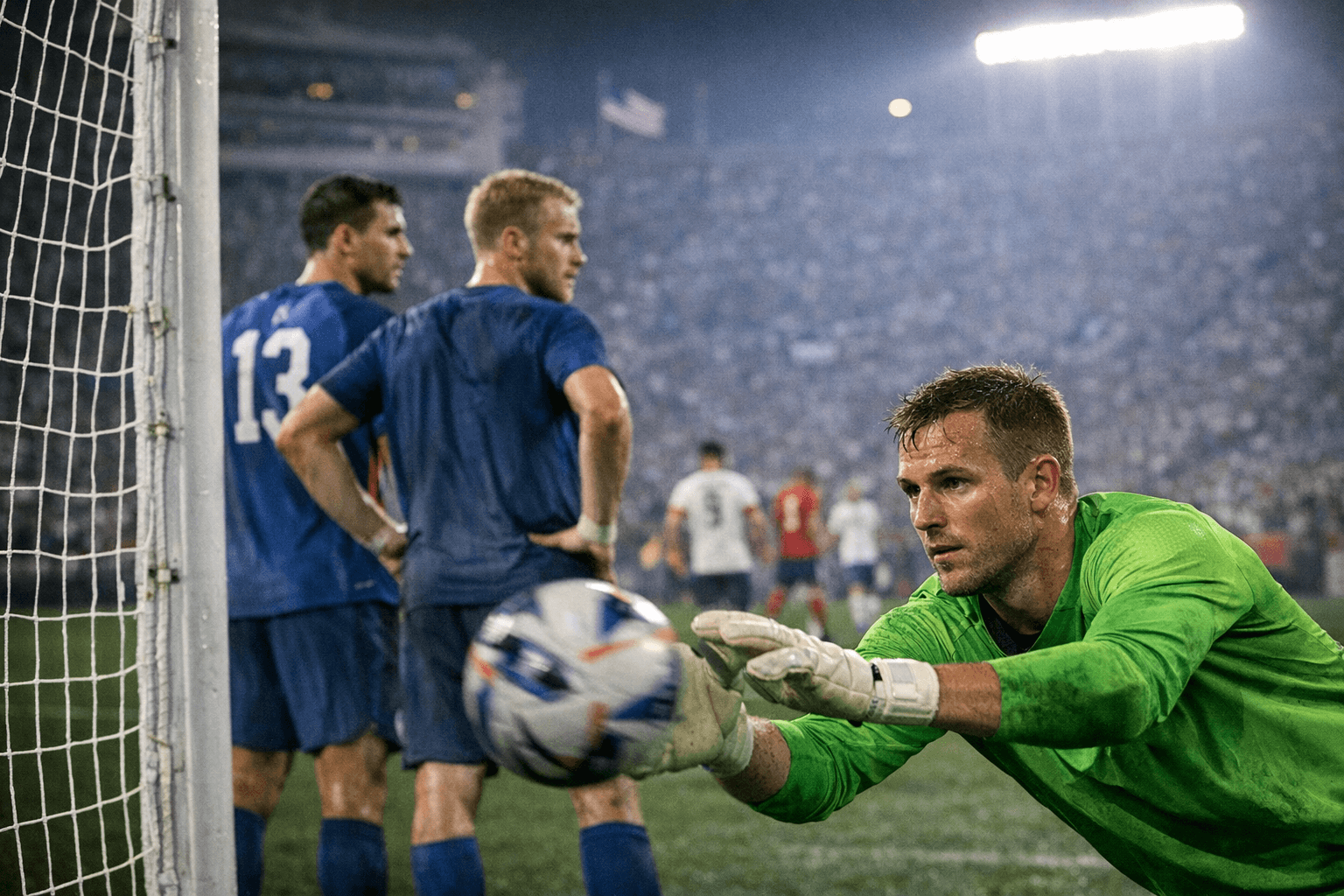
The United States headed into the World Cup carrying a familiar burden: enough attacking talent to dream, but too many questions in goal and at center back to trust the ceiling. With the tournament on home soil and the field expanded, the Americans could avoid an elite opponent until the round of 16, yet the harder test remained whether their weakest defensive spine in decades could survive a knockout match.
That tension defined the build-up for a program still chasing its first knockout-stage victory since 2002. The U.S. is 1-7 in World Cup knockout games, with the only win coming against Mexico in 2002, and its deepest run since the inaugural 1930 tournament also came that year, when it reached the quarterfinals. Anything short of another advance would leave the same unresolved questions about depth, defensive quality and whether the men’s program had truly moved forward.
The goalkeeping picture was especially shaky. Matt Turner, who started in 2022, has been displaced by Matt Freese, and the Americans may go to the World Cup without a Europe-based goalkeeper for the first time since 1990. The AP described that as the team’s weakest goalkeeping situation in four decades, a stark warning for a side that cannot afford errors when the margins tighten in knockout soccer.
The back line brings its own concerns. Only a few central defenders are playing in a top European league, leaving Mauricio Pochettino with less proven top-level experience than past U.S. teams have carried into major tournaments. The attack still offers hope, but if the defense cannot hold, the Americans may again find that scoring enough to advance is not the same as being built to last.
Pochettino has tried to lift expectations rather than shrink them. He has urged players to believe they can win the title, asking, “Why not us?” Weston McKennie, one of the team’s key midfield voices, said it would mean everything to win at home in front of family and supporters. Christian Pulisic, meanwhile, arrived under a spotlight after going scoreless in several recent matches for both the national team and AC Milan.
That mix of ambition and fragility framed the U.S. challenge as the World Cup approached. In a country where men’s soccer still fights for attention against the NFL, MLB and NBA, a breakthrough would reshape the conversation. Another early exit would send the debate back to the same place, with the same questions, and the same worry that the Americans still do not defend well enough to win when it matters most.
This article was produced by Prism’s automated news system from verified source data, official records, and press releases, then run through automated quality and moderation checks before publishing. The system is built and supervised by the people who set the standards it runs under. Read our full AI policy.
Did this article answer your question?

.jpg&w=1920&q=75)
