U.S. F-15E Shot Down Over Iran Contradicts Claims of Air Dominance
An F-15E Strike Eagle was shot down over Iran on Friday, directly contradicting Pentagon claims that Tehran had no functioning air defenses.

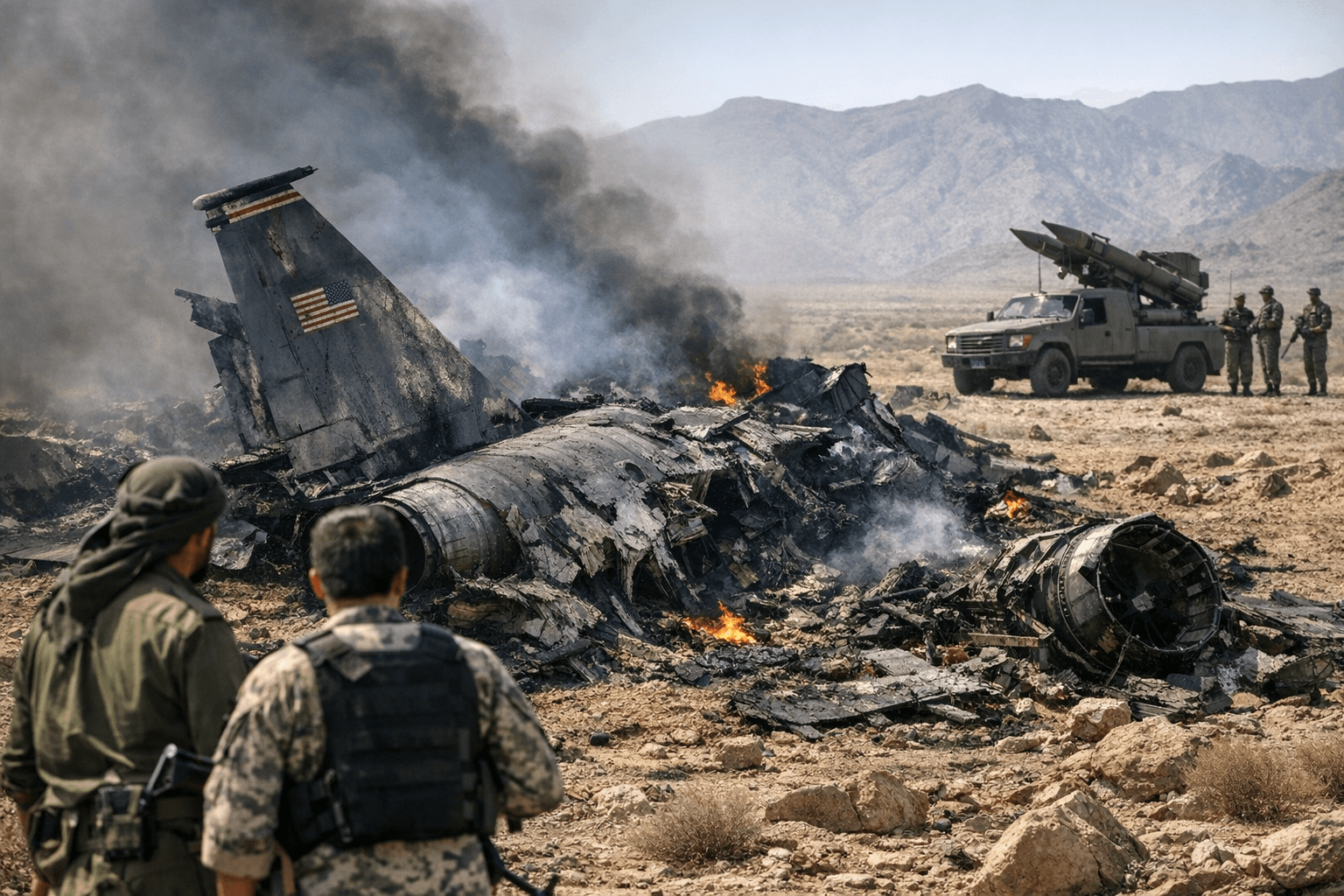
Three weeks after Secretary of Defense Pete Hegseth declared that "Iran has no air defenses," an Iranian surface-to-air system downed a U.S. F-15E Strike Eagle over southwestern Iran, marking the first confirmed loss of a manned American aircraft by enemy fire since Operation Epic Fury began.
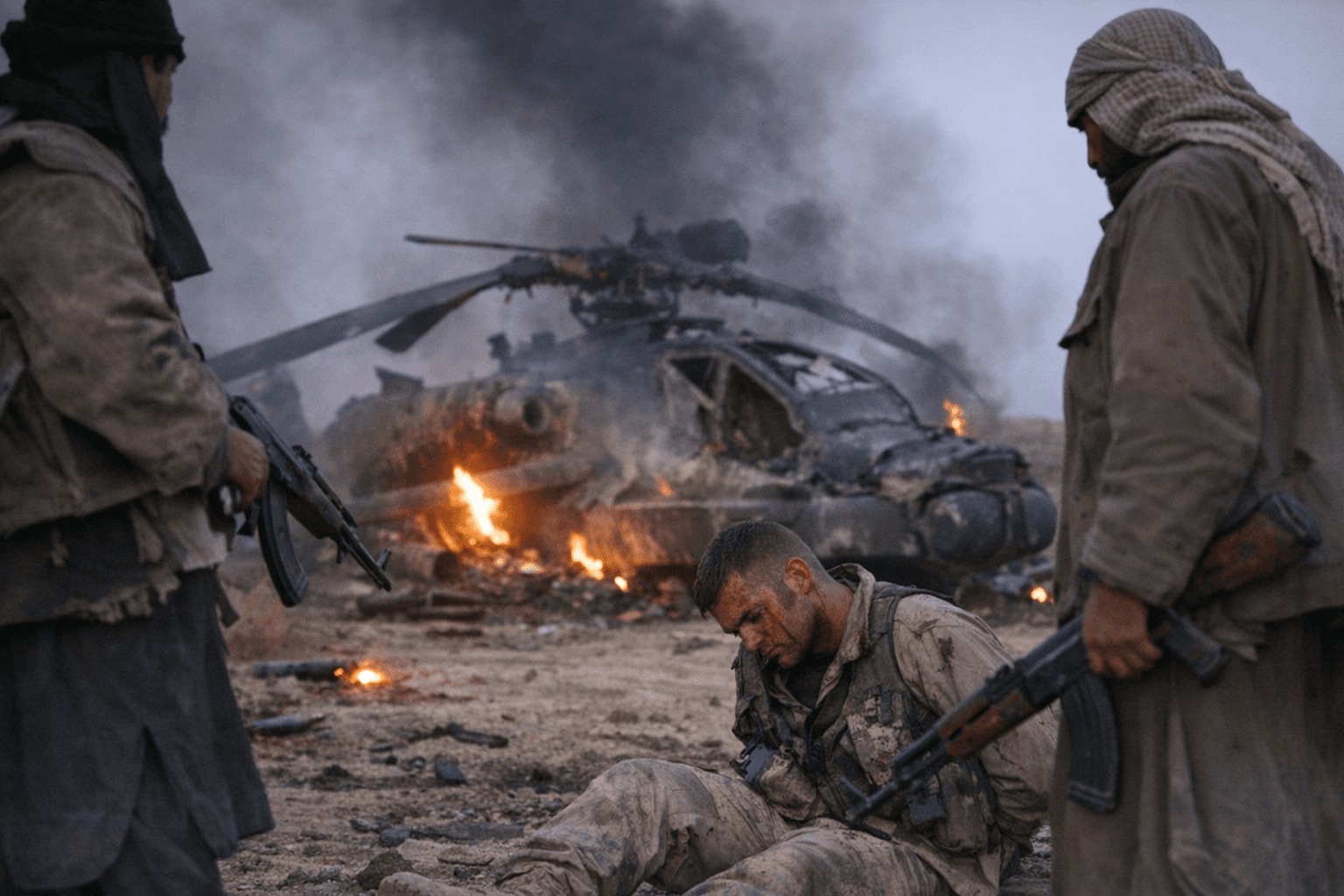
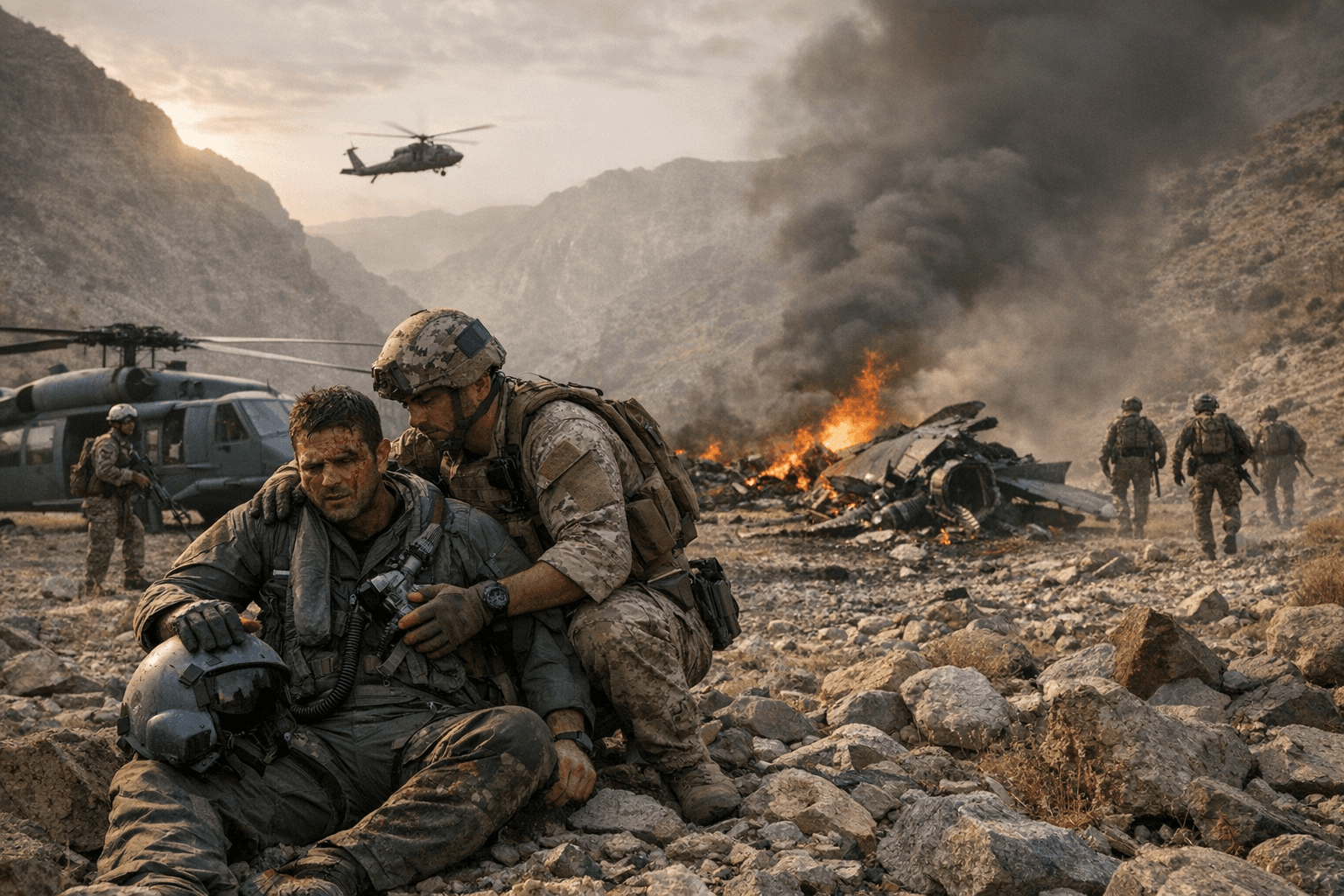
The jet, belonging to the 494th Fighter Squadron based at RAF Lakenheath in the United Kingdom, was shot down on April 3. Both the pilot and weapons systems officer ejected. One crew member was rescued and confirmed alive; search operations for the second continued Friday evening.
Iran's Islamic Revolutionary Guard Corps moved quickly to capitalize on the loss, announcing a bounty of 10 billion tomans, roughly $60,000, for information leading to the capture of the remaining aircrew. Days before the shootdown, the IRGC Aerospace Force commander had dismissed Trump and Hegseth's public assertions about Iran's military degradation as "Hollywood illusions." The downed Strike Eagle gave that characterization fresh credibility.
Hegseth's March 13 Pentagon briefing had been unambiguous. "Iran has no air defenses. Iran has no air force. Iran has no navy," he said, adding that no modern military had been "so quickly destroyed and made combat ineffective." At that same briefing he cited strikes on more than 15,000 targets, a 90 percent reduction in Iran's missile stockpile, and a 95 percent drop in one-way attack drones. President Trump, in a primetime address near the one-month mark of the campaign, declared the U.S. had "decimated its navy, shattered its air force, eliminated its key terrorist leaders."
The F-15E lost Friday was the fourth Strike Eagle downed during Operation Epic Fury. The first three were destroyed on March 2 in a friendly fire incident involving a Kuwaiti F/A-18; all six crew members from those aircraft were safely recovered. An A-10 Warthog assigned to close air support during Friday's search-and-rescue effort was also struck by Iranian fire, underscoring that ground-based air defense systems remained functional across the theater.
Operation Epic Fury was launched by Trump on February 28, 2026, billed as "the most lethal, most complex, and most-precision aerial operation in history." Its stated objectives include destroying Iran's offensive missile production, eliminating its naval capability, severing proxy support networks, and blocking a nuclear weapon. RAF Fairford became the main U.S. bomber hub for the campaign after the United Kingdom reversed its ban on American use of its bases on March 5, a reversal triggered by Iran striking a UK base in Cyprus. During the operation, B-52s flew over Iranian airspace with JDAM-guided gravity bombs for the first time in the aircraft's history.
The campaign has carried other costs. Six U.S. soldiers were killed in an Iranian drone strike at a civilian port in Kuwait. Hegseth removed Army Chief of Staff Gen. Randy George around April 2, one day before the shootdown, while Air Force Gen. Dan Caine serves as Chairman of the Joint Chiefs of Staff.
Hegseth had offered a quiet caveat as early as March 4, conceding that "this does not mean we can stop everything." The events over southwestern Iran on Friday gave that hedge a meaning his March 13 triumphalism had not anticipated.
Sources:
Know something we missed? Have a correction or additional information?
Submit a Tip