U.S. forces board sanctioned tanker after tracking ship from Caribbean
The Pentagon says U.S. troops boarded the Panamanian-flagged Veronica III in the Indian Ocean after following it from the Caribbean, part of a sanctions enforcement push.
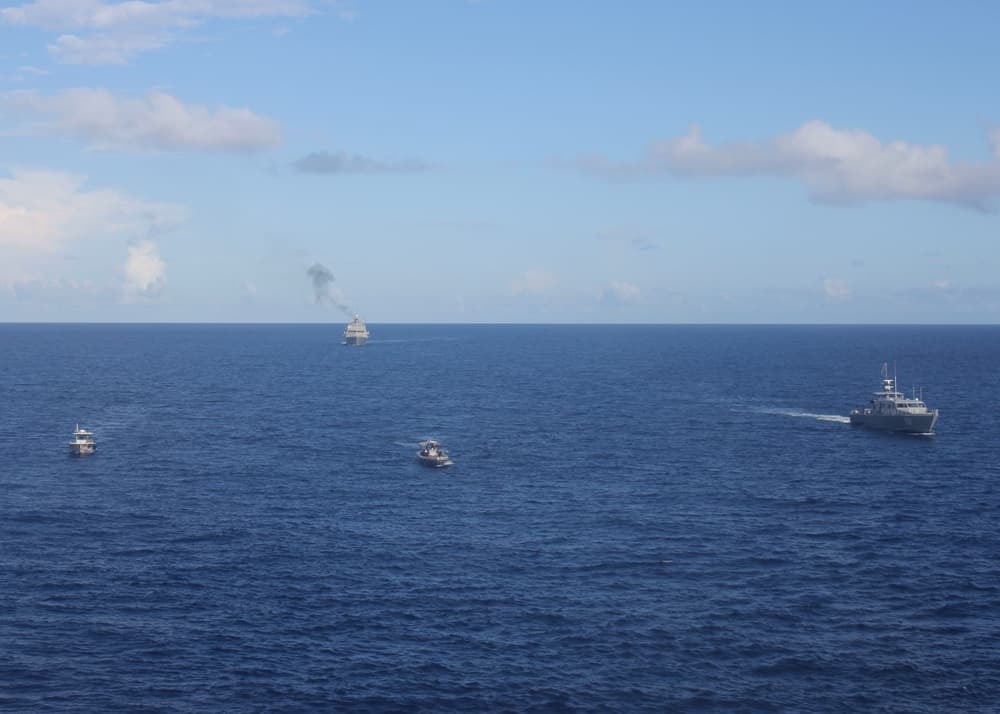
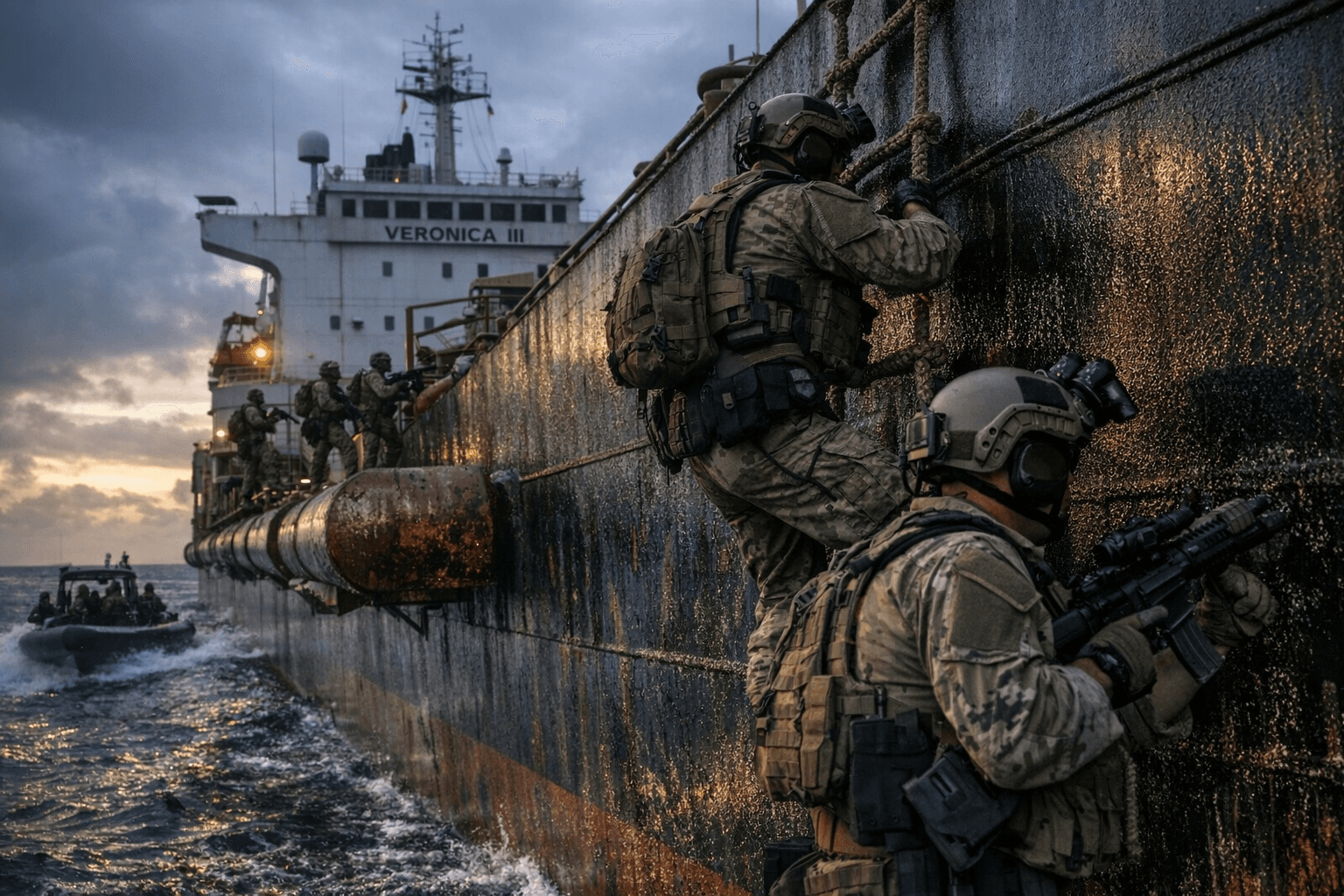
U.S. military forces boarded the Panamanian-flagged tanker Veronica III in the Indian Ocean after tracking the vessel from the Caribbean Sea, the Pentagon said, releasing video and photos of personnel climbing onto the deck. The department described the move as a “right-of-visit, maritime interdiction and boarding” and said the action was intended to halt illicit oil shipments tied to Venezuela and other sanctioned networks.
“The vessel tried to defy President Trump's quarantine - hoping to slip away,” the Pentagon said in a post on X. “We tracked it from the Caribbean to the Indian Ocean, closed the distance, and shut it down.” The Pentagon provided no further public details about whether the Veronica III was formally seized or placed under U.S. control; officials later told news outlets they had no additional information beyond the social media post.
Tracking groups report that the Veronica III left Venezuela on Jan. 3 carrying about 1.9 million barrels of crude and has been associated with shipments of Russian, Iranian and Venezuelan oil since 2023, a pattern U.S. authorities have targeted in recent months. TankerTrackers.com supplied the departure and cargo figures cited by investigators monitoring the movement of sanctioned cargoes. Panama's maritime authority said the ship's registration in Panama was canceled in December 2024, complicating the vessel's legal status at sea. The U.S. Treasury's Office of Foreign Assets Control lists the Veronica III on its sanctions roll tied to Iranian activity.
The boarding comes amid a sustained U.S. effort to constrain Venezuelan oil flows after an administration order in December to quarantine sanctioned tankers, language officials framed as a tool to pressure Caracas. U.S. officials have alternately described the December measure as a quarantine and some accounts called it a blockade. The moves have sharply reduced Venezuela's seaborne exports, with analysts at Kpler reporting that loadings fell roughly by half in January to about 400,000 barrels per day.
This is at least the second U.S. boarding in the Indian Ocean in little more than a week. U.S. forces had previously tracked and boarded another tanker, the Aquila II, which officials said was being held while its ultimate fate was decided. Tracking groups and U.S. statements indicate that at least seven tankers linked to Venezuelan shipments have been interdicted since the policy escalated last year.
Beyond enforcement, the operations carry humanitarian and public health implications for Venezuelans and the region. Venezuelan government revenues from oil have long funded hospitals, medicine imports, and basic services; analysts and health advocates warn that continued curtailment of export income may deepen shortages of medical supplies and fuel needed to run hospitals and water systems, worsening health disparities that have already emerged during years of economic stress.
Legal questions also remain. The Pentagon has invoked a right-of-visit authority to justify boarding, but the department has not disclosed the specific legal basis, how crew welfare is being ensured, or the chain of custody for any cargo. Panama's cancellation of the ship's registration and the OFAC listing complicate the flag state and ownership picture, which maritime lawyers say will shape whether the vessel is subject to seizure or civil forfeiture.
For now, officials and tracking groups say operations will continue. The lack of publicly available legal filings or a detailed Pentagon readout leaves open key questions about how Washington will adjudicate ownership claims, protect crew members, and balance sanctions enforcement with humanitarian consequences in a country that remains heavily dependent on oil revenue.
This article was produced by Prism’s automated news system from verified source data, official records, and press releases, then run through automated quality and moderation checks before publishing. The system is built and supervised by the people who set the standards it runs under. Read our full AI policy.
Did this article answer your question?

