U.S. forces seize seventh Venezuela-linked tanker amid quarantine enforcement
U.S. Southern Command said forces boarded and took control of the motor tanker Sagitta in an apprehension "without incident," escalating enforcement of a U.S. quarantine on sanctioned vessels.
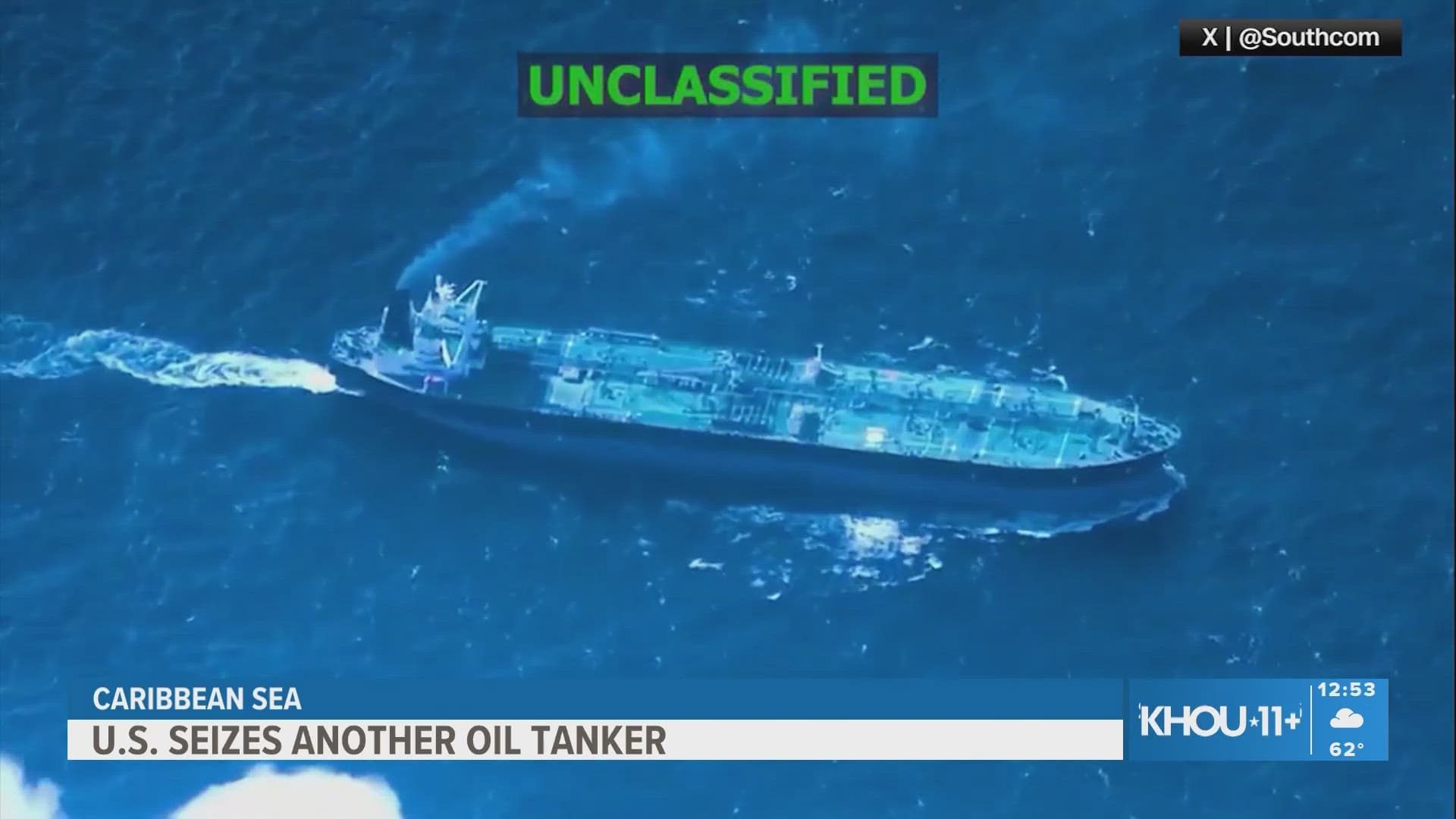
U.S. forces boarded and took control of the motor tanker Sagitta in an operation Southern Command described as an apprehension "without incident," the military said, marking the seventh Venezuela-linked tanker interdicted since Dec. 10, 2025. SOUTHCOM framed the action as enforcement of a U.S.-declared quarantine, saying the vessel was "operating in defiance of President Trump’s established quarantine of sanctioned vessels in the Caribbean" and that the seizure "demonstrates our resolve to ensure that the only oil leaving Venezuela will be oil that is coordinated properly and lawfully."
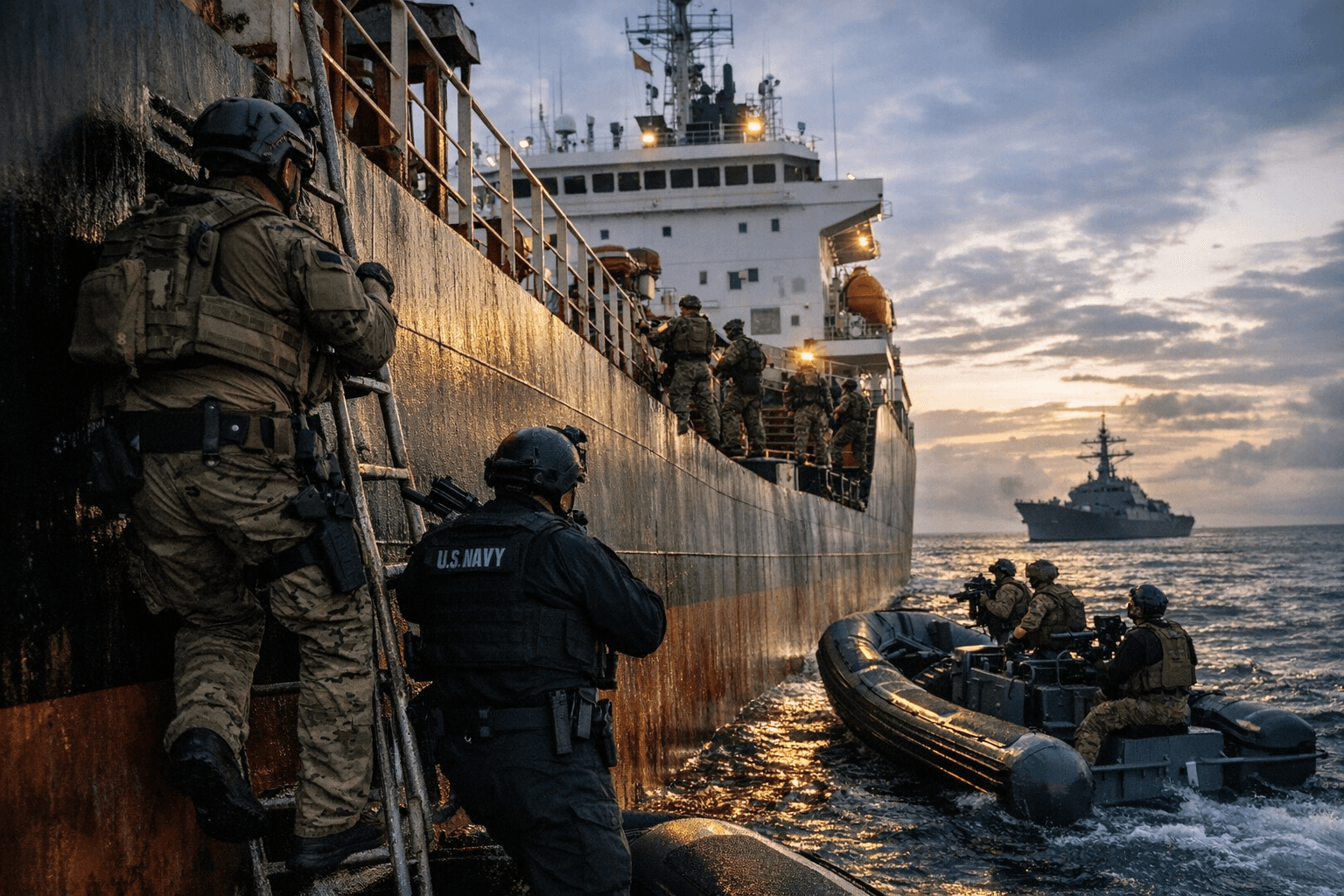
SOUTHCOM released a social-media post and an unclassified video of the boarding, which appears to show U.S. aircraft and personnel approaching and boarding the ship. The posted clip did not show helicopters landing on the deck as in earlier interdictions, and the Pentagon and SOUTHCOM declined to provide additional operational details when asked. It was not immediately clear which U.S. service would assume custody of the tanker or whether the Coast Guard, which has taken custody in prior seizures, would do so in this case.
Public records and registries provide conflicting information on the vessel's identity, flag and ownership. U.S. Treasury Office of Foreign Assets Control records identify the Sagitta as Panamanian-flagged and list Sunne Co Limited as an owner. Other public registries list a Liberian flag and management by a Hong Kong company, and show a separate Treasury designation tied to an executive order linked to Russia's 2022 invasion. Some footage and captions have used an alternative spelling of the name, “Sajida,” underscoring the need to confirm the ship's IMO number, exact registered name and beneficial ownership.
The operation is the latest in a concentrated campaign of maritime interdictions aimed at stemming oil flows from Venezuela and other sanctioned states. Six of the previous interdictions took place in the Caribbean and one in the North Atlantic. U.S. officials characterize the interdictions as coordinated enforcement of Treasury sanctions and maritime interdiction operations designed to prevent sanctioned transfers from reaching international markets through so-called shadow fleets.
The seizures occur against a backdrop of sharply heightened U.S.-Venezuela tensions. Earlier this month U.S. military action inside Venezuela included an operation that resulted in the capture and transport to New York of Venezuelan leader Nicolás Maduro and his wife, who face U.S. charges including allegations of drug trafficking; the couple has denied those charges. Tensions escalated further after a Jan. 3 authorization by President Trump for a predawn operation to seize Maduro, linking the surge in maritime enforcement to a broader U.S. strategy to control Venezuelan oil exports.
Key factual elements remain unresolved: confirmation of the vessel's IMO number and exact registry; which U.S. service holds custody and the legal authority cited for the seizure; the chain of custody for the cargo and vessel; an exact timeline of the boarding and whether any detainees or evidence were taken; and formal responses from Venezuela, the vessel's declared flag state and listed owners. Those details will determine both immediate diplomatic fallout and longer-term market implications, as sustained interdictions could further constrain Venezuela's export channels and complicate supply chains that have relied on intermediary tankers.
This article was produced by Prism’s automated news system from verified source data, official records, and press releases, then run through automated quality and moderation checks before publishing. The system is built and supervised by the people who set the standards it runs under. Read our full AI policy.
Did this article answer your question?