U.S. Forest Service sharply cuts wildfire prevention work amid staffing losses
The Forest Service cut wildfire prevention by nearly 1.5 million acres in 2025 as staffing losses hit 16%, just as fire season risk stayed high.

Communities heading into another dry fire season are facing a thinner shield. The U.S. Forest Service reduced flammable vegetation on almost 1.5 million fewer acres in 2025 than it did in 2024, and it carried out only about half as much controlled burning as it did in 2023 and 2024, leaving far less ground treated before the next round of flames can spread.
The decline was steepest in prescribed burns, the low-intensity fires used to clear dense underbrush and lower the odds that a lightning strike or escaped ember turns into a fast-moving disaster. In the last year of the Biden administration, the agency treated more than 4 million acres of hazardous vegetation. By 2025, that effort had fallen sharply as the Forest Service lost 16% of its workforce, with 5,860 personnel leaving in the first six months of the year.
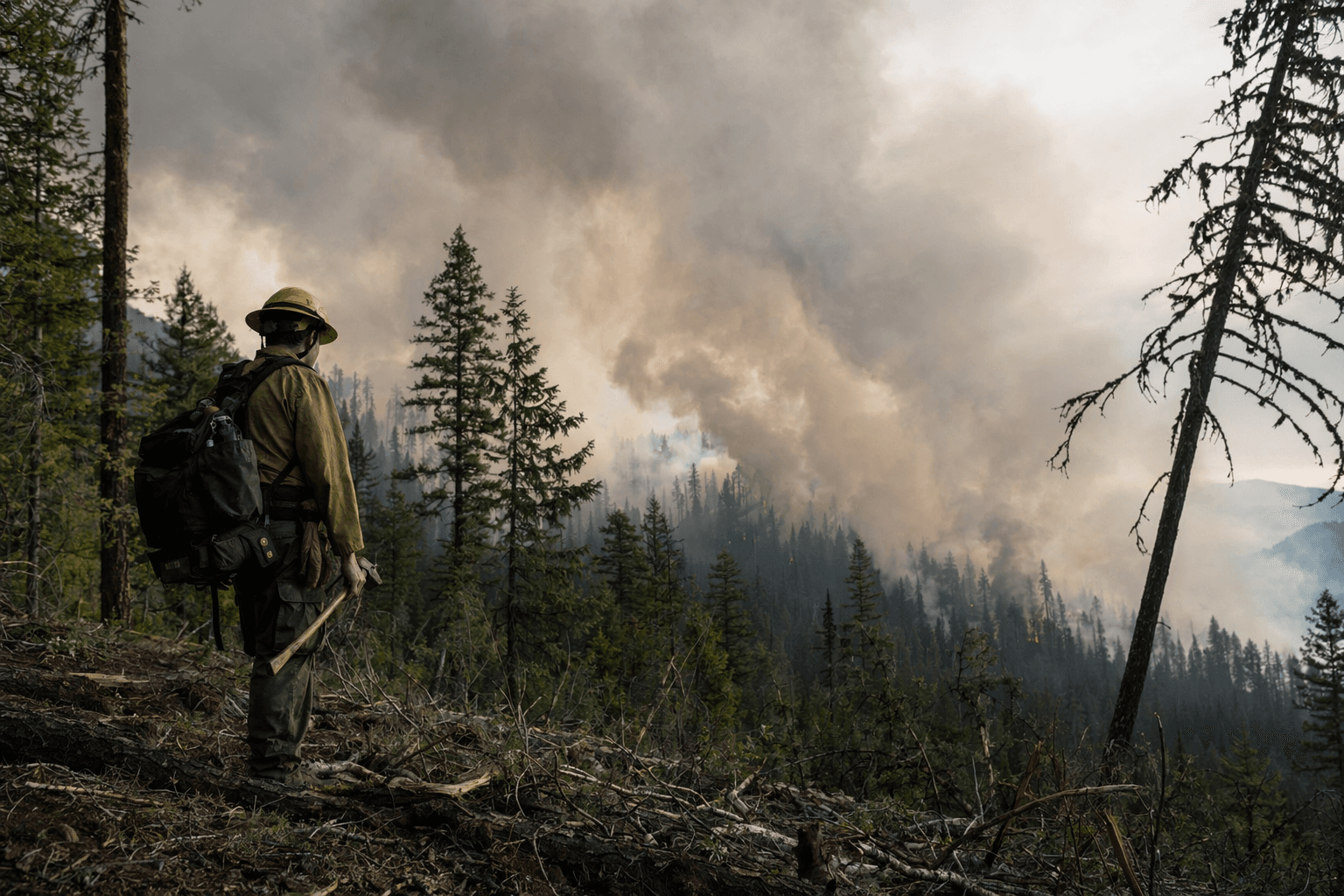
The agency said the slowdown was driven mostly by employees being pulled into firefighting and by environmental conditions in the Southeast that were not suitable for prescribed burns. Still, the staffing losses landed at a dangerous moment. Senate Democrats, including Patty Murray and Jeff Merkley, have warned that the cuts have hampered wildfire preparation just as drought persists across much of the United States and managers brace for an extreme fire season. The National Interagency Fire Center issued its May through August 2026 outlook on May 1.
The stakes are especially high because many North American forests evolved with low-intensity fire that regularly removed undergrowth. That pattern changed after Native Americans were forced from their lands and the Forest Service adopted a policy in the 1930s of extinguishing all wildfires. Over decades, that approach allowed fuels to build up, creating the thick conditions now common in places such as the Sierra Nevada and across other fire-prone Western forests.
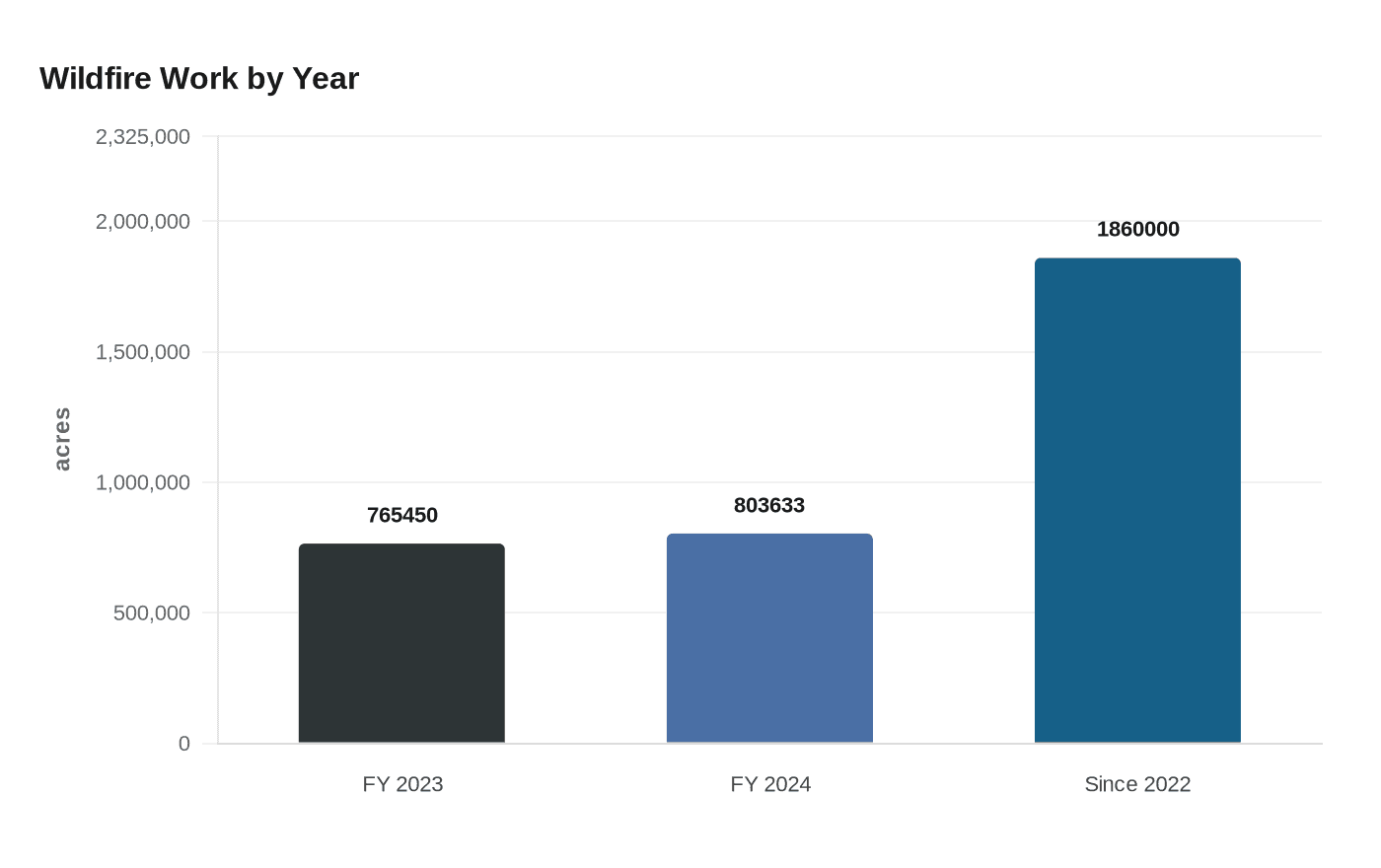
The Forest Service has also been pressing its Wildfire Crisis Strategy, launched in January 2022, across 21 landscapes covering 48 million acres in 10 Western states. The agency said it treated a record 803,633 acres across those landscapes in fiscal 2024, up from 765,450 acres in fiscal 2023, and 1.86 million acres since the strategy began. Researchers estimate the work reduced wildfire risk to $700 billion worth of housing and critical infrastructure, including a 7.8% average reduction in risk to residential housing and an 8.2% reduction to critical infrastructure between 2021 and 2023.
That progress matters because prevention work is far cheaper than recovery after homes, power lines and watersheds are already burning. With fewer acres treated and fewer crews available, the margin for error narrows the moment a fire starts.
This article was produced by Prism’s automated news system from verified source data, official records, and press releases, then run through automated quality and moderation checks before publishing. The system is built and supervised by the people who set the standards it runs under. Read our full AI policy.
Did this article answer your question?