U.S. gives Iran deadline to renounce Hormuz ship attacks
Washington set a Saturday deadline for Tehran to publicly reopen the Strait of Hormuz, after ship attacks and U.S. retaliation rattled the world’s busiest energy lane.
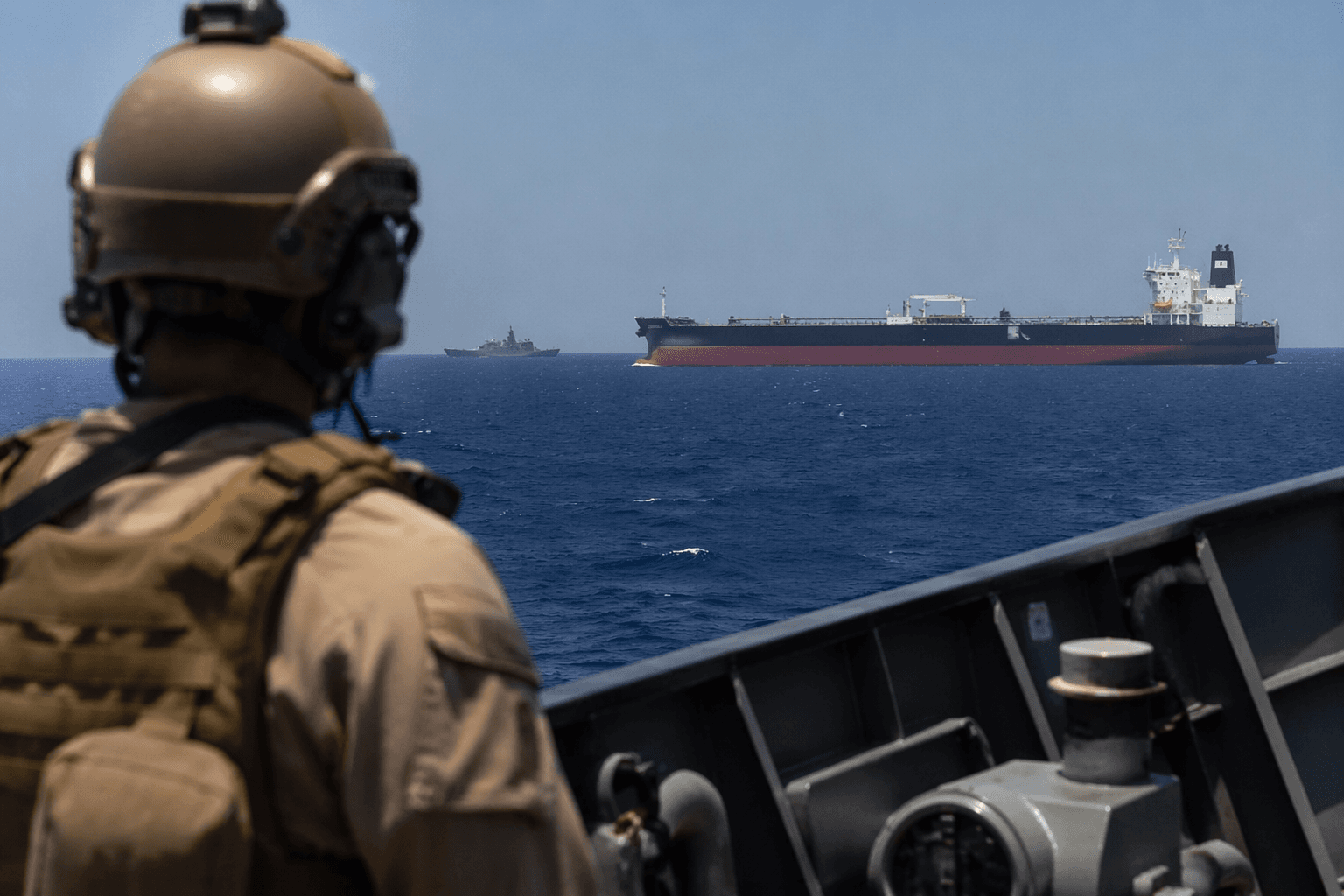
The Trump administration gave Iran a Saturday deadline to publicly acknowledge that the Strait of Hormuz is open and pledge to stop firing on commercial ships, turning a narrow shipping dispute into a test of U.S. credibility. Three U.S. officials said the demand was delivered directly and through regional mediators after Washington accused Tehran of violating a memorandum signed less than three weeks earlier.
Iran has not been boxed into a single track. Iranian officials privately told Trump advisers that the attacks on commercial ships were a mistake and blamed an errant faction of hardliners for trying to undermine negotiations, while saying they wanted to keep talking. At the same time, Iran’s top diplomat was in Oman for talks on the strait as Iran’s supreme leader vowed revenge, underscoring how diplomacy and intimidation were moving in parallel.
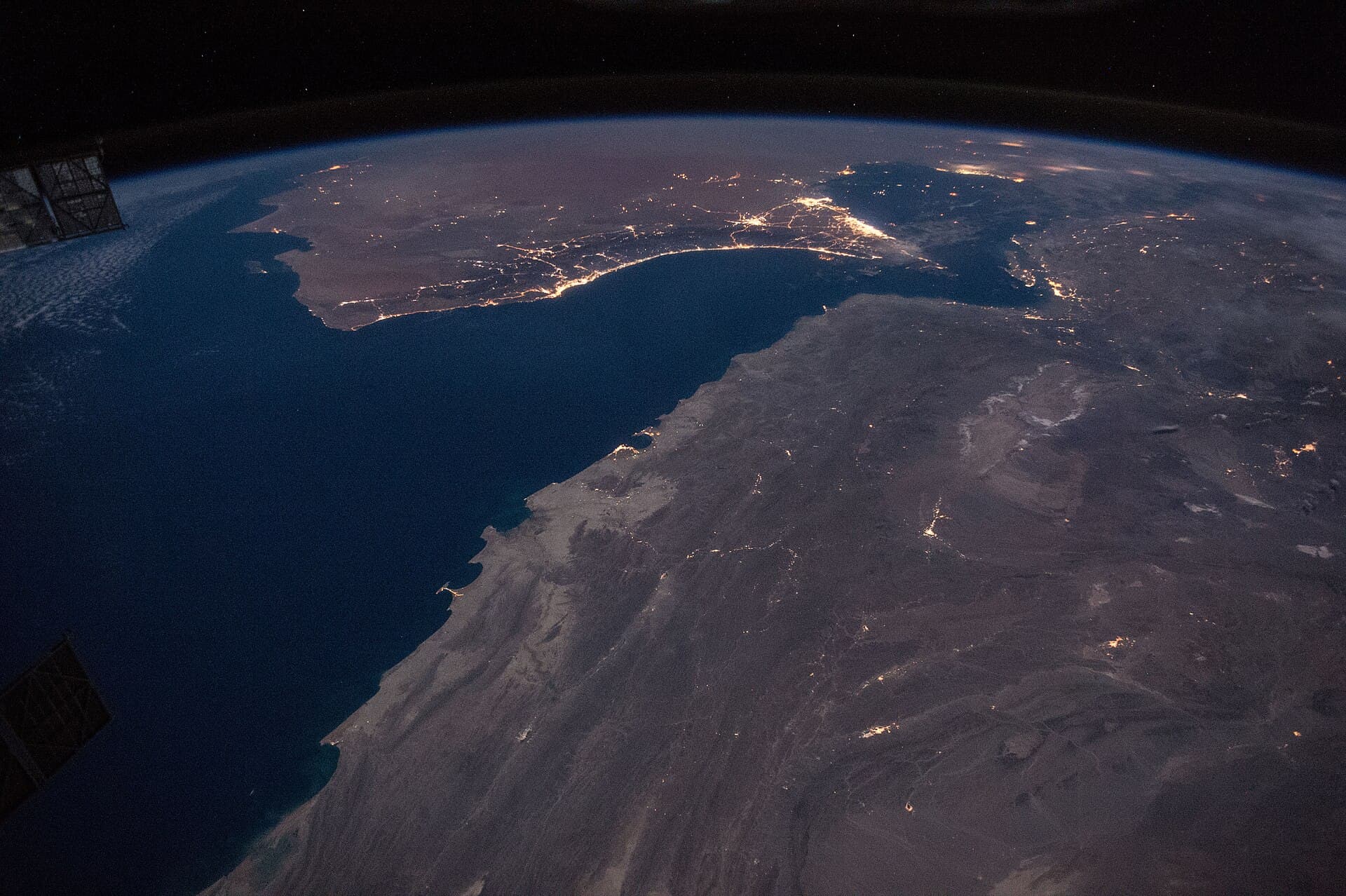
The stakes stretch far beyond the immediate naval exchanges. The U.S. Energy Information Administration says about 20 million barrels per day of oil and oil products moved through the Strait of Hormuz in 2024, roughly one-fifth of global petroleum liquids consumption. The same route carried about one-fifth of global LNG trade. The International Energy Agency says the waterway is only 29 nautical miles wide at its narrowest point, with two 2-mile navigable channels and a 2-mile buffer zone, leaving almost no room to reroute shipping if attacks continue.
The International Maritime Organization condemned the renewed attacks and called for maximum restraint and de-escalation. United Nations News said around 6,000 seafarers were stranded aboard hundreds of vessels as traffic through the strait slowed, a reminder that the fallout is already reaching crews, cargo insurers and energy markets well beyond the Persian Gulf.
Washington now has a few practical options if Tehran ignores the deadline. It can accept a public Iranian pledge as an off-ramp and keep the truce intact, or treat silence or defiance as grounds for more pressure. The United States has already shown part of that playbook by launching retaliatory strikes after Iranian attacks on three commercial vessels and later revoking temporary Iran oil waivers in response to the renewed attacks.
That makes the ultimatum look less like a statement of principle than coercive diplomacy with a narrow exit ramp. If Iran publicly renounces the attacks, Washington can claim the lane has been secured. If it does not, the deadline becomes a trigger for wider military and economic escalation in a chokepoint that cannot absorb much more disruption.
This article was produced by Prism’s automated news system from verified source data, official records, and press releases, then run through automated quality and moderation checks before publishing. The system is built and supervised by the people who set the standards it runs under. Read our full AI policy.
Did this article answer your question?