U.S. hails Israel-Lebanon talks, stops short of demanding ceasefire
Washington called the Israel-Lebanon talks a milestone, but it refused to demand a ceasefire as Israeli strikes continued and civilian tolls climbed.
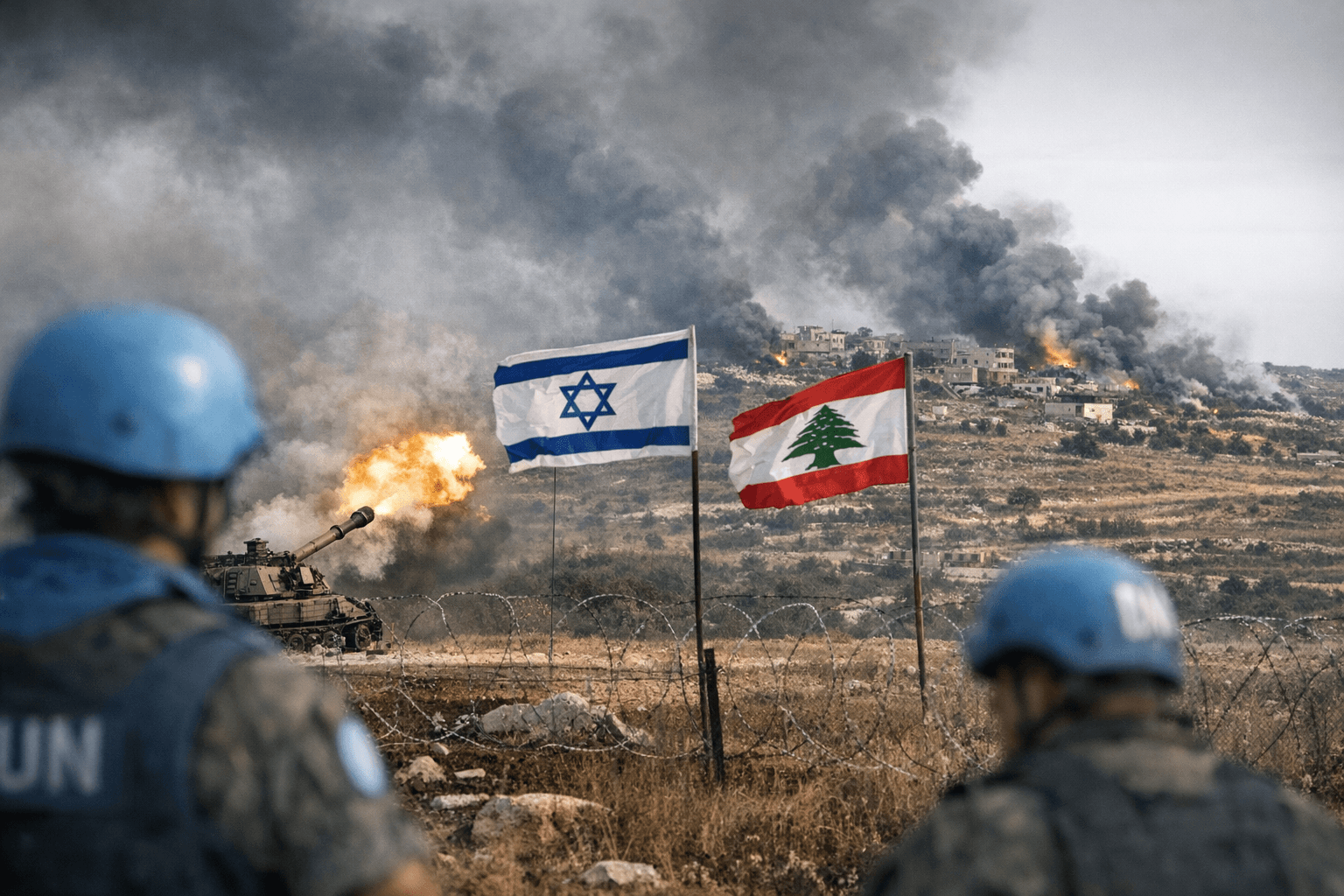
Washington celebrated the first direct Israel-Lebanon diplomatic talks in decades as a “historic milestone,” yet stopped short of using its leverage to demand that Israel halt strikes or pull back from Lebanese territory. That gap between praise and pressure defined the meeting at the State Department in Washington, D.C., and exposed how cautiously the United States is willing to press Israel even as the war widens.
Marco Rubio joined Israeli Ambassador Yechiel Leiter, Lebanese Ambassador Nada Hamadeh Moawad and U.S. Ambassador to Lebanon Michel Issa for the April 14 talks, which the State Department said were meant to launch direct negotiations. Rubio called the meeting a “historic opportunity,” while the department said it hoped the talks would move beyond the 2024 arrangement and lead to a broader peace deal. But the U.S. statement did not publicly demand an immediate ceasefire or an Israeli withdrawal. Instead, it backed Lebanon’s plans to restore the “monopoly of force” and end Iran’s “overbearing influence.”
That formulation left Washington aligned with Beirut’s long-term state-building goals, but not with Lebanon’s immediate demand for relief from airstrikes. President Joseph Aoun had pushed for direct talks and a temporary ceasefire, and a senior Lebanese official described that effort as “a separate track but the same model” as the U.S.-Iran truce. Israeli officials, meanwhile, made clear that Israel was not prepared to stop fighting Hezbollah during the negotiations.
Hezbollah rejected the talks outright and said it would not abide by any agreement reached in Washington. That resistance underscored the limits of diplomacy that begins while the bombing continues. Reports from southern Lebanon said Israeli strikes kept pounding the country overnight and into the next day, even as the delegations were meeting.
The human cost was already severe. U.N. agencies said more than 1 million people had been displaced in Lebanon by early April, and Lebanese and U.N. figures put the death toll since fighting resumed on March 2 at more than 1,500 and more than 2,000. April 8 was described as the deadliest day of the renewed war, with more than 300 killed in Lebanon and damage to critical infrastructure, including a bridge linking southern Lebanon to the rest of the country. Human rights groups said Israeli strikes hit civilian neighborhoods, health facilities, ambulances and residential homes.
The talks were also tied to broader regional diplomacy after a fragile U.S.-Iran ceasefire. For Washington, the meeting was an attempt to shape the next phase of the conflict. For critics, the refusal to demand a ceasefire or withdrawal suggested a familiar hierarchy of priorities, one that may preserve U.S. access in the short term but does little to enhance its credibility as an honest broker.
This article was produced by Prism’s automated news system from verified source data, official records, and press releases, then run through automated quality and moderation checks before publishing. The system is built and supervised by the people who set the standards it runs under. Read our full AI policy.
Did this article answer your question?