U.S. indicts Raúl Castro over 1996 shootdown of exile planes
U.S. prosecutors charged Raúl Castro over the 1996 shootdown of exile planes, turning a 30-year-old killing into a fresh pressure point on Havana.
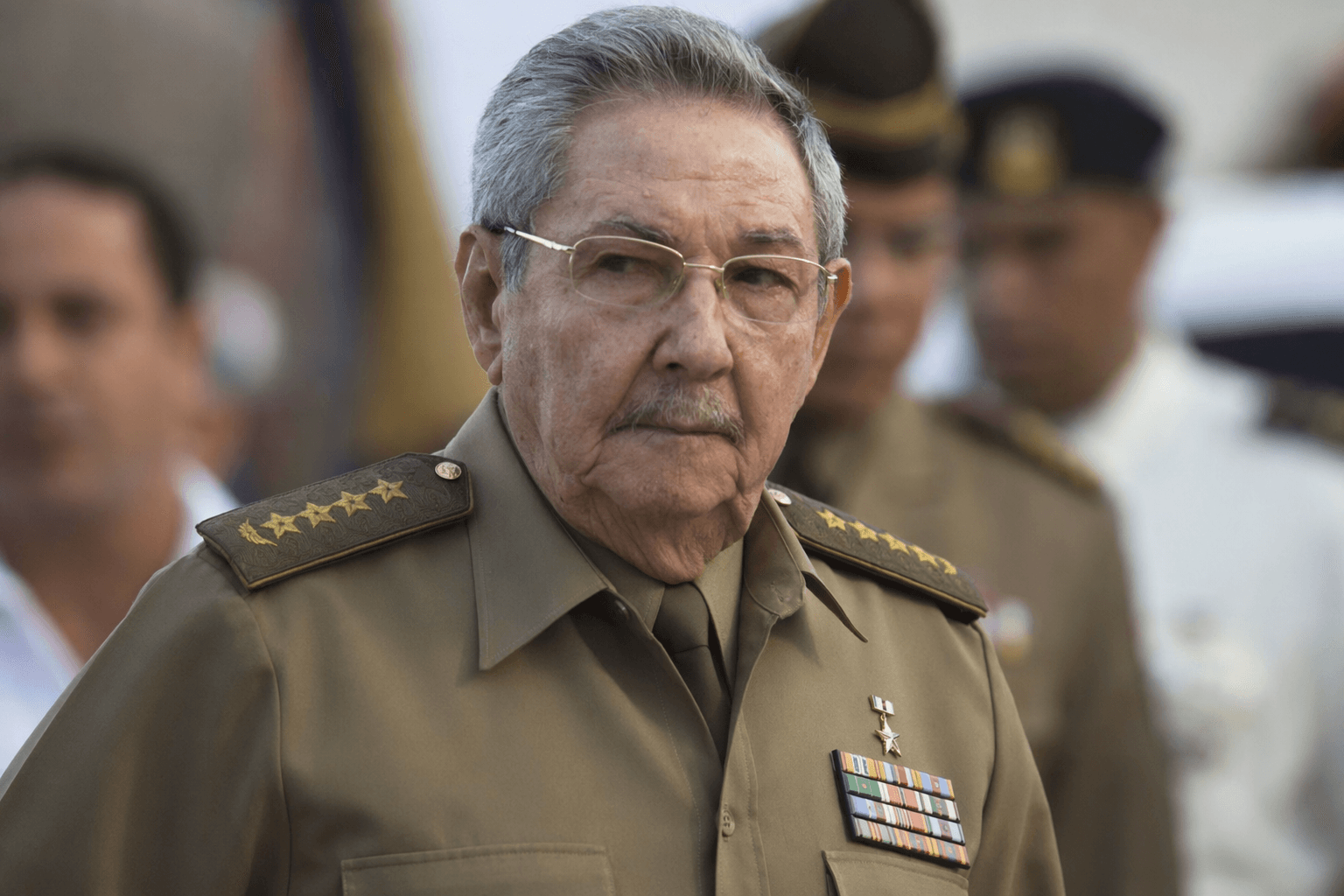
The Trump administration turned a 30-year-old shootdown into a new instrument of pressure on Cuba on Tuesday, unsealing a Miami grand jury indictment against Raúl Castro and framing the case as both accountability and leverage against Havana’s Communist government.
The Justice Department charged Castro, 94, with conspiracy to kill U.S. nationals, destruction of aircraft, and four counts of murder over the Feb. 24, 1996 destruction of two civilian planes operated by Brothers to the Rescue. Prosecutors say the planes were in international waters when they were shot down, killing Armando Alejandre, 45, Carlos Costa, 29, Mario de la Peña, 24, and Pablo Morales, 29. Castro was Cuba’s defense minister at the time.
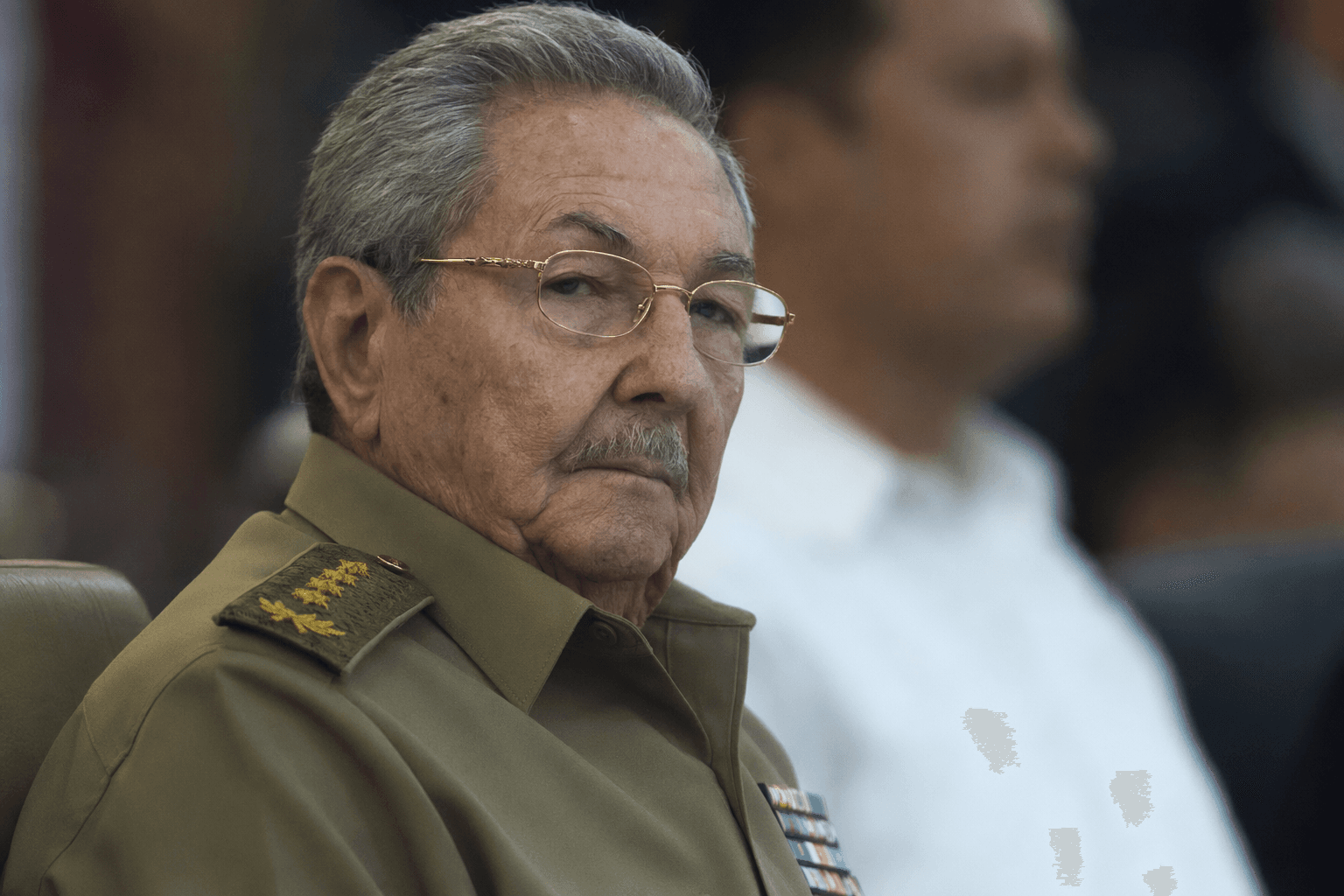
The announcement came in Miami at a ceremony honoring the victims, where acting Attorney General Todd Blanche said the U.S. and President Trump would not forget the dead or the families who had grieved for three decades. The indictment is extraordinary not only because it targets a former Cuban head of state, but because it folds a long-settled act of violence into a broader campaign of sanctions, diplomatic threats, and political signaling aimed at squeezing the island’s ruling system.
That campaign has widened beyond the courtroom. Washington has imposed new sanctions on Cuban entities and individuals, cut off Venezuelan oil shipments that had helped keep Cuba afloat, and threatened secondary sanctions on countries that continue to supply fuel to the island. The pressure lands on a country already struggling with blackouts, transportation disruptions, and shortages that have battered health care, water, and food supplies.
Marco Rubio, in a Spanish-language message to Cubans, offered a “new relationship” with Washington conditioned on sweeping economic reforms and free multiparty elections. Cuba’s deputy foreign minister, Carlos F. de Cossío, denounced Rubio’s remarks as lies and aggression. President Miguel Díaz-Canel called the indictment a political maneuver without legal foundation.
For Cuban Americans in Miami, the case connects one of the most searing episodes in exile history to the current confrontation with Havana. For the Cuban government, it is likely to read as another attempt to isolate the island and deepen internal pressure. Regional governments, meanwhile, will see a familiar U.S. tactic in a new form: criminal charges not just as a legal step, but as part of a regime of coercion intended to narrow Havana’s options at home and abroad.
Know something we missed? Have a correction or additional information?
Submit a Tip