U.S. intelligence and task force aided operation that killed El Mencho
Mexican officials say U.S. intelligence and a new interagency task force provided a detailed target package that helped pinpoint El Mencho, touching off violence that left at least 62 dead.
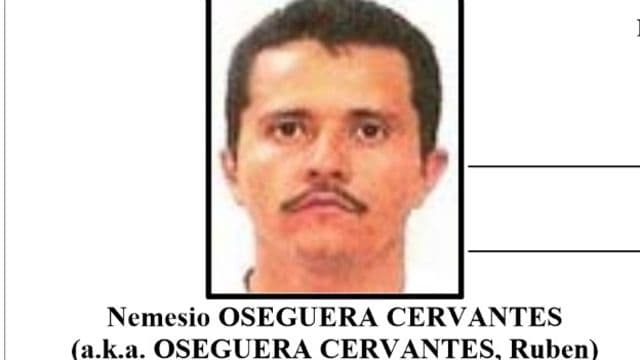
Mexico’s Defense Ministry said American authorities supplied intelligence that assisted a Feb. 22 military operation in Tapalpa, Jalisco, that targeted Nemesio Oseguera Cervantes, known as El Mencho, and that the raid and ensuing violence left at least 62 people dead, Mexican officials reported. Mexican commanders said they located him after tracking one of his romantic partners and moved in with special forces when his presence in the house was confirmed.
Gen. Ricardo Trevilla Trejo, Mexico’s defense secretary, said the operation was launched after authorities confirmed El Mencho was still in the Tapalpa home and that when “they moved in with special forces” the engagement became “a very violent attack.” The Defense Ministry said Oseguera was seriously injured in a shootout and “died during an air transfer to Mexico City,” and its X post added that “for the execution of this operation, in addition to the central military intelligence efforts, within the framework of bilateral coordination and cooperation with the USA,” American authorities provided information that assisted with the operation.
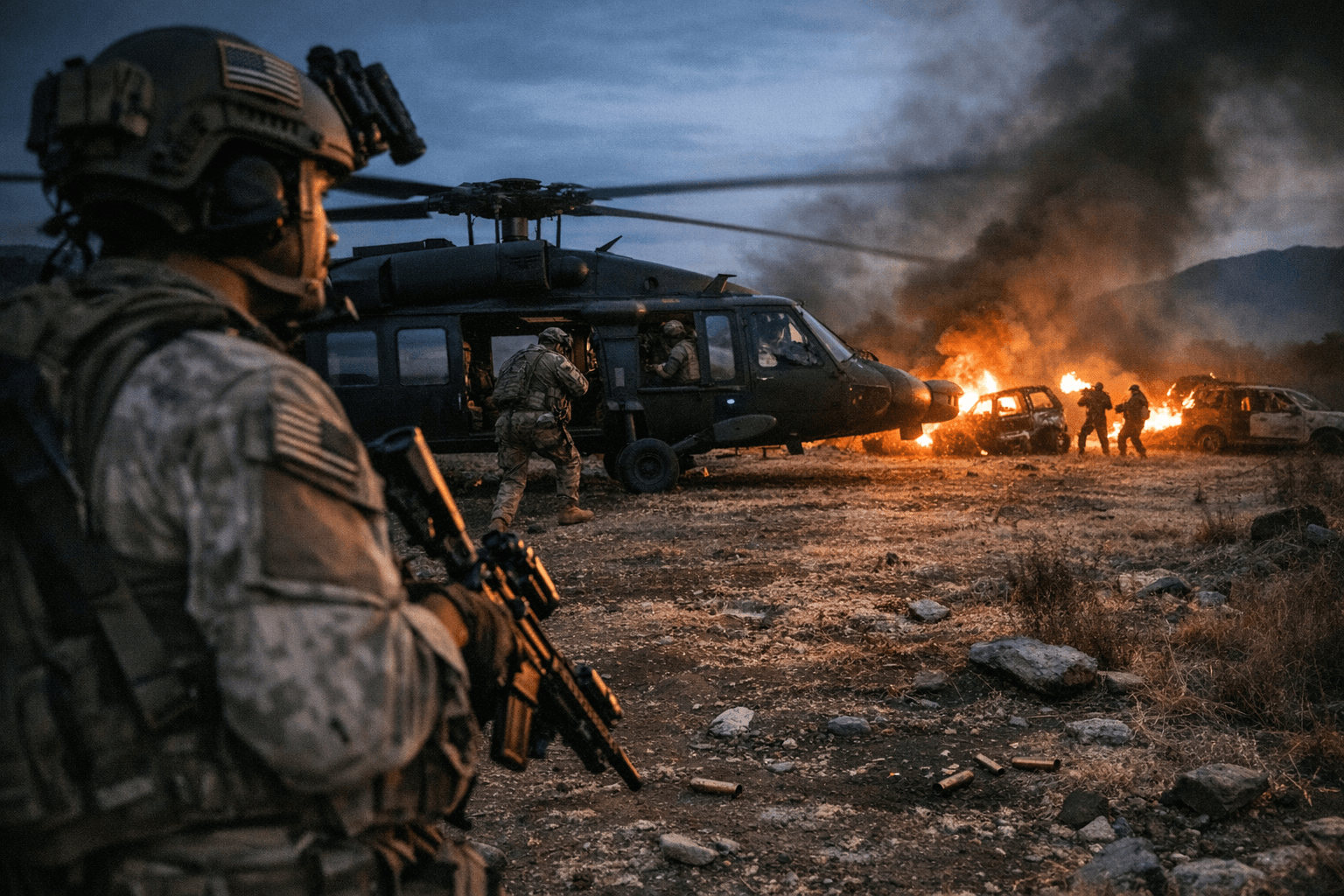
U.S. officials described their contribution in more limited terms. A U.S. defense official told Reuters the Joint Interagency Task Force–Counter Cartel, a new U.S.-military-led entity, “played a role” in the intelligence effort but declined to describe operational details and stressed the raid itself was conducted by Mexican forces. A former U.S. official, speaking on condition of anonymity, said Washington “compiled a detailed target package for El Mencho and provided it to the Mexican government for its operation,” adding the dossier included information from U.S. law enforcement and U.S. intelligence and that El Mencho was “very high, if not at the top, of a list of U.S. targets in Mexico.”
The task force’s reported role underscores a recent intensification of U.S.-Mexico intelligence cooperation. Reporting has described the Joint Interagency Task Force–Counter Cartel as a multiagency effort to map cartel networks on both sides of the border; accounts differ on whether the unit was “quietly launched late last year” or “formally launched” in January. The Pentagon and U.S. Northern Command, in emailed statements reported by Axios, said they had “no information to provide” and that “This was a Mexican military operation and refer you back to the Mexican government for more information.”
The death of El Mencho, leader of the Jalisco New Generation Cartel, removes a high-profile figure long pursued by U.S. and Mexican authorities. The U.S. had offered up to $15 million for information leading to his arrest, and U.S. Deputy Secretary of State Christopher Landau called him “one of the bloodiest and most ruthless drug kingpins.” The cartel is a designated terrorist organization in the United States.
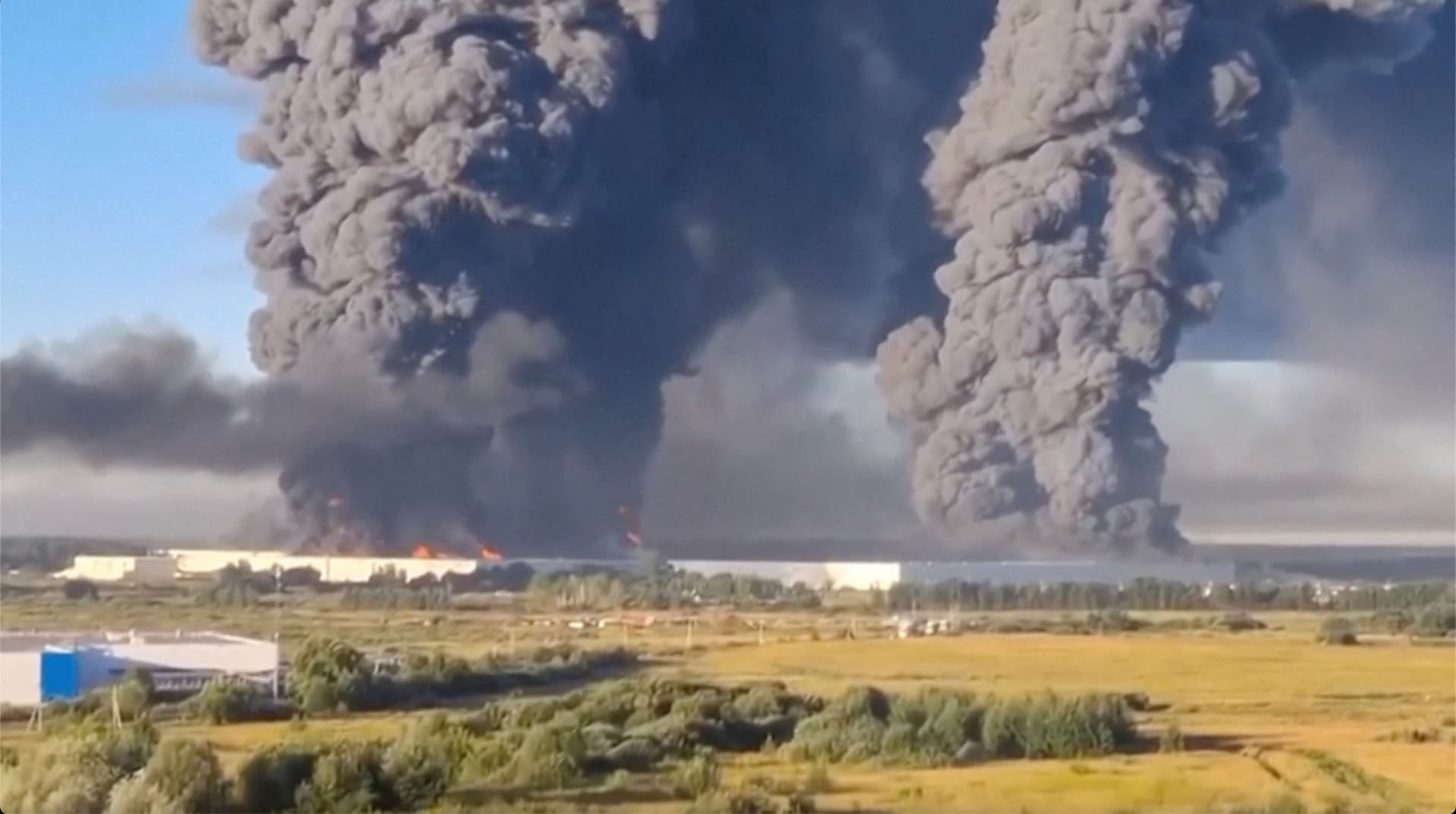
The raid triggered widespread, coordinated retaliatory violence across more than half a dozen Mexican states, with torched vehicles, blocked highways and burned buses reported. Mexican President Claudia Sheinbaum Pardo urged calm on social media as security forces moved to clear roadblocks and restore order. The immediate toll reported by authorities, “at least 62 people dead,” according to New York Times reporting based on Mexican counts, will require official verification and a breakdown between civilians, cartel members and security personnel.
Policy questions loom: which U.S. agencies supplied specific intelligence, the exact contents of the “detailed target package,” and the formal status and chain of command for the JITF-CC. For investors and cross-border trade, the episode is a reminder that large-scale cartel disruptions can cause sharp but concentrated spikes in logistical and security costs, and that deeper U.S.-Mexico operational ties are likely to become a focal point of diplomatic scrutiny. Further confirmation from Mexican and U.S. defense and intelligence offices will be essential to reconcile discrepancies in official accounts and to clarify the scope of bilateral cooperation that produced the operation.
This article was produced by Prism’s automated news system from verified source data, official records, and press releases, then run through automated quality and moderation checks before publishing. The system is built and supervised by the people who set the standards it runs under. Read our full AI policy.
Did this article answer your question?