U.S.-Iran framework leaves Iran’s nuclear program unresolved
A fragile U.S.-Iran framework could ease the Strait of Hormuz, but 440.9 kg of 60% uranium and frozen inspections left the nuclear threat unresolved.
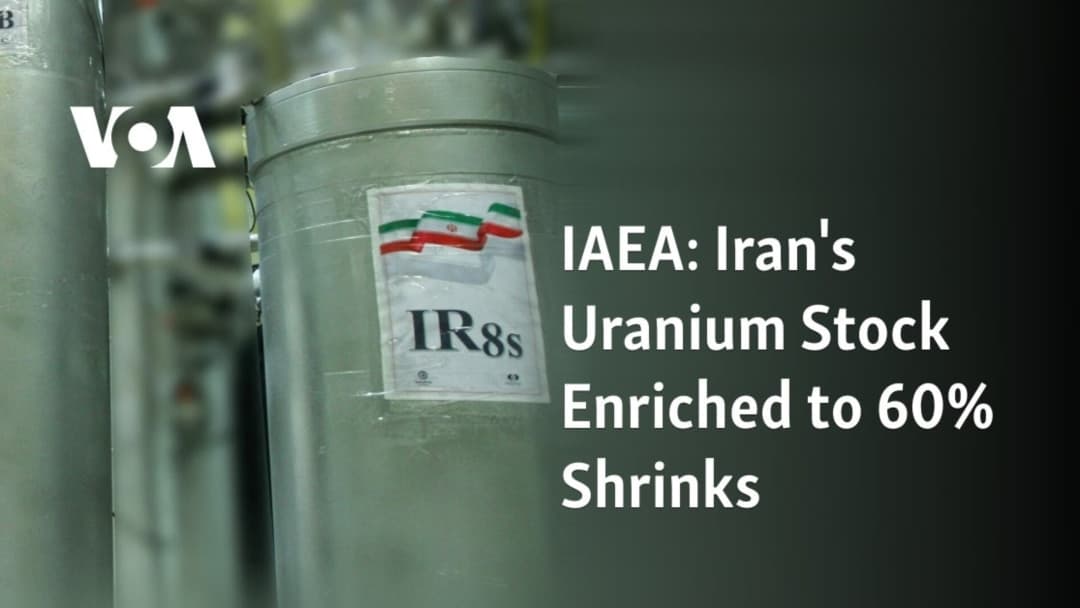
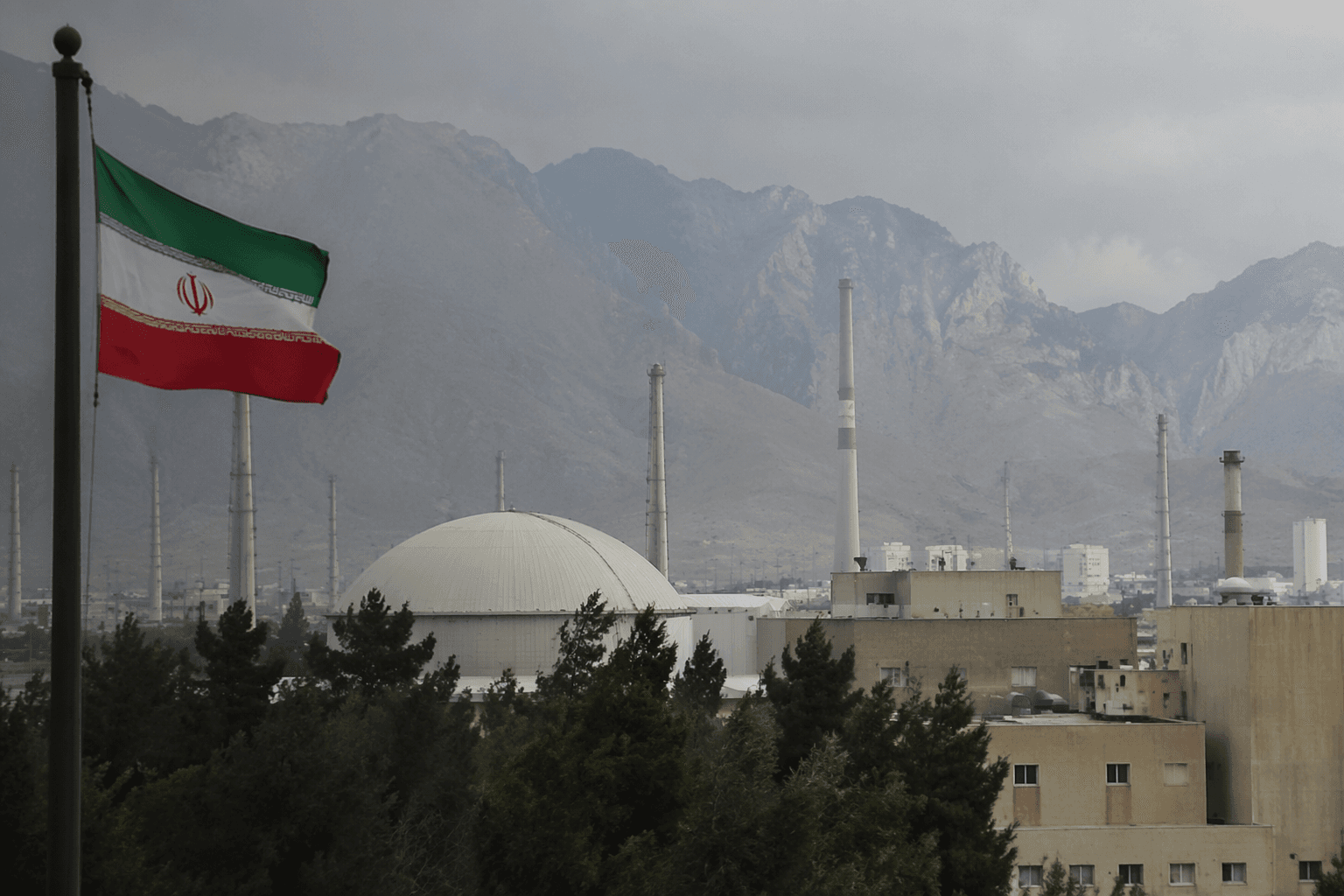
The new U.S.-Iran framework eased the immediate danger of another military spiral, but it did not settle the question that drove the crisis: Iran’s nuclear program. After U.S. attacks on three Iranian nuclear facilities on June 22, 2025, the International Atomic Energy Agency stopped verification work in Iran and pulled inspectors out for safety reasons, leaving the central safeguards problem unresolved.
That gap mattered because the agency said in June 2026 that Iran had accumulated 440.9 kg of uranium enriched up to 60% U-235. Iran was the only non-nuclear-weapon state in the Nuclear Non-Proliferation Treaty to have produced and accumulated uranium at that level, a milestone that sharpened fears in Washington and allied capitals that Tehran could edge closer to a weapons option if monitoring stayed limited. U.S. and allied officials argued that Iran’s inability to be fully inspected was itself a proliferation threat, not just a technical inconvenience.
The diplomatic backdrop showed how little consensus existed even as talks moved forward. On June 10, 2026, the IAEA Board of Governors adopted a U.S.-backed resolution, by 21 votes in favor, 3 against and 10 abstentions, telling Iran to declare its remaining enriched uranium stocks and let inspectors verify them. Days later, the 2026 Nuclear Non-Proliferation Treaty Review Conference failed to reach consensus on a final document, underscoring how sharply governments remain divided over Iran and the future of global nonproliferation.
The framework now on the table was presented as preliminary rather than final, and the hardest issues were left for later negotiations. Donald Trump said the agreement was complete and would prevent Tehran from getting a nuclear weapon, but key questions remained open: how much sanctions relief Iran would receive, how verification would work, and what limits would actually apply to enrichment. The deal also appeared designed to reopen the Strait of Hormuz and end months of conflict, making the lower bar for success whether it reduced the risk of a wider war or a nuclear sprint, not whether it solved every dispute at once.
Reactions reflected that tension. Britain, France, Germany and Italy said Iran must never acquire a nuclear weapon. Israel, which was not party to the talks, was openly alarmed, while other leaders welcomed any opening that might reduce tensions and lower energy prices. Inside Iran, officials, lawmakers, media outlets and social media users split sharply, and state media promoted a 14-point version of the memorandum of understanding, a sign that the final terms were still contested. Sanctions have existed in some form since 1979, after the seizure of the U.S. Embassy in Tehran, and this latest framework showed how far diplomacy still has to go before the nuclear file is genuinely contained.
This article was produced by Prism’s automated news system from verified source data, official records, and press releases, then run through automated quality and moderation checks before publishing. The system is built and supervised by the people who set the standards it runs under. Read our full AI policy.
Know something we missed? Have a correction or additional information?
Submit a Tip