US, Iran Race to Find Missing Aviator After F-15E Shot Down
Iran offered civilians a bounty to capture a downed U.S. aviator and urged them to shoot on sight, as the missing weapons systems officer from a downed F-15E became the war's most urgent flashpoint.

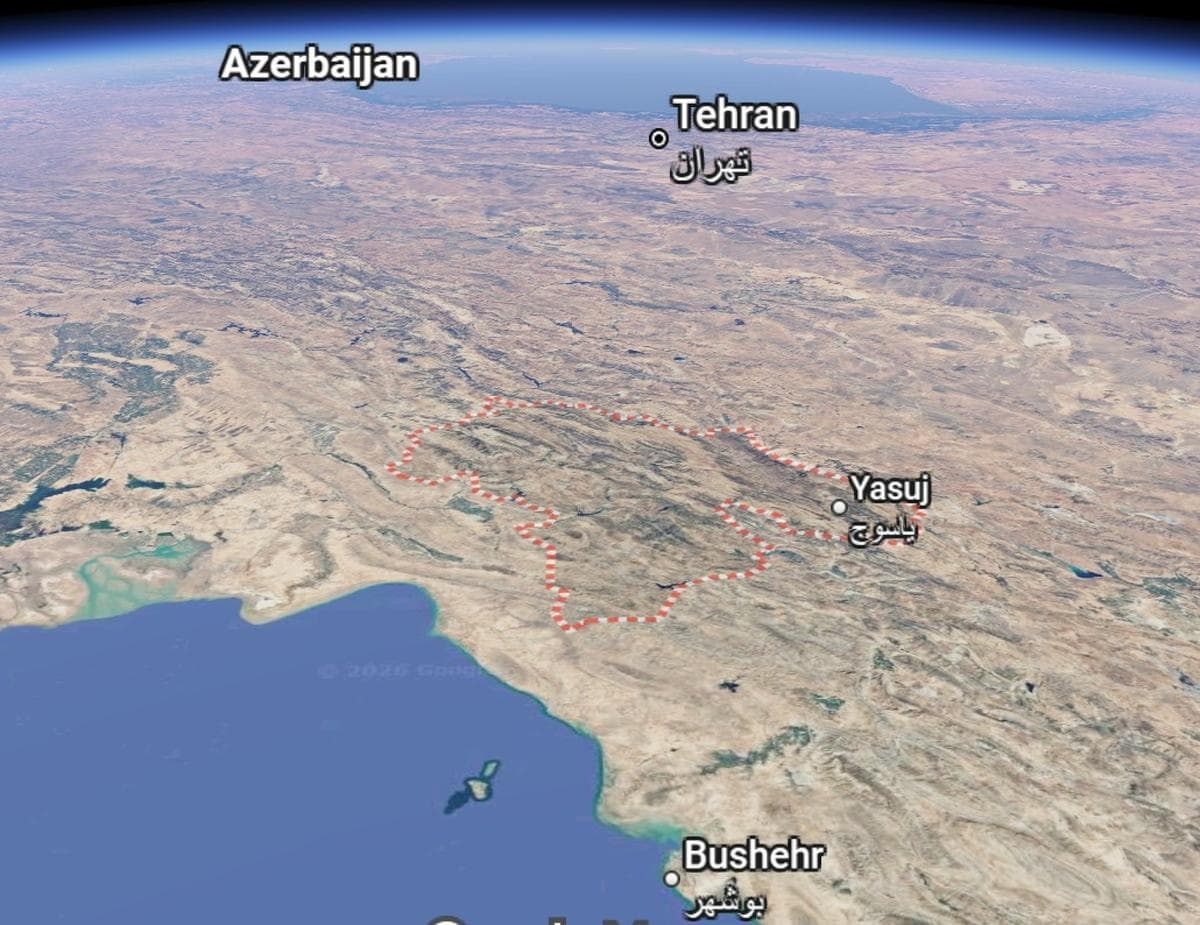
Iran's state television urged civilians near Khuzestan Province to "shoot them if you see them," referring to U.S. aircraft, while state-run Fars News confirmed a reward for anyone who could capture an "enemy pilot or pilots alive" and hand them over to police. Both directives pointed at a single missing American: the weapons systems officer from an F-15E Strike Eagle, the first U.S. jet downed by enemy fire since the Iran war began six weeks ago.
The F-15E, a dual-role fighter carrying a pilot in the front cockpit and a weapons systems officer (WSO) in the rear, was struck by Iranian fire over Khuzestan Province in southwestern Iran on Friday, April 3. Both crew members ejected. U.S. special forces operating on Iranian soil recovered the pilot alive; the WSO's whereabouts remain unknown. The rescue operation itself became a cascade of incidents: two U.S. Black Hawk helicopters participating in the search were hit by small arms fire, injuring crew members aboard the helicopter carrying the recovered pilot, though it landed safely. An A-10 Warthog, also deployed as part of the mission, took Iranian fire and made it to Kuwaiti airspace before its pilot ejected safely and the aircraft crashed. The semiofficial Mehr News Agency published video it said showed "brave locals firing at U.S. helicopters" with guns.
Iran's initial claims about the aircraft were wrong. The Islamic Revolutionary Guard Corps announced it had shot down an F-35 stealth fighter; wreckage photos published by Iranian state media instead showed a partial logo for "US Air Forces in Europe" on the tail fin, alongside distinctive red-and-white striping, confirming it was an F-15E. State-run Tasnim agency reported the search for the missing crew had "so far been unsuccessful."
The shootdown struck directly at a core assurance from Washington. Just two days earlier, in a prime-time address, President Trump had declared: "They have no anti-aircraft equipment. Their radar is 100% annihilated. We are unstoppable as a military force." The day before the jet went down, CENTCOM Commander Adm. Brad Cooper told reporters that Iranian "air and missile defense systems have largely been destroyed." An F-15E falling out of the sky over southwestern Iran contradicted both assessments directly.

The incident reshaped the geopolitical chessboard within hours. An Israeli official told Axios that Israel cancelled planned strikes in Iran specifically to avoid hampering U.S. rescue operations, while Israeli intelligence actively assisted in the search for the missing WSO. White House press secretary Karoline Leavitt confirmed President Trump had been briefed. When asked whether the shootdown would derail negotiations to end the conflict, Trump said: "No, not at all. No, it's war."
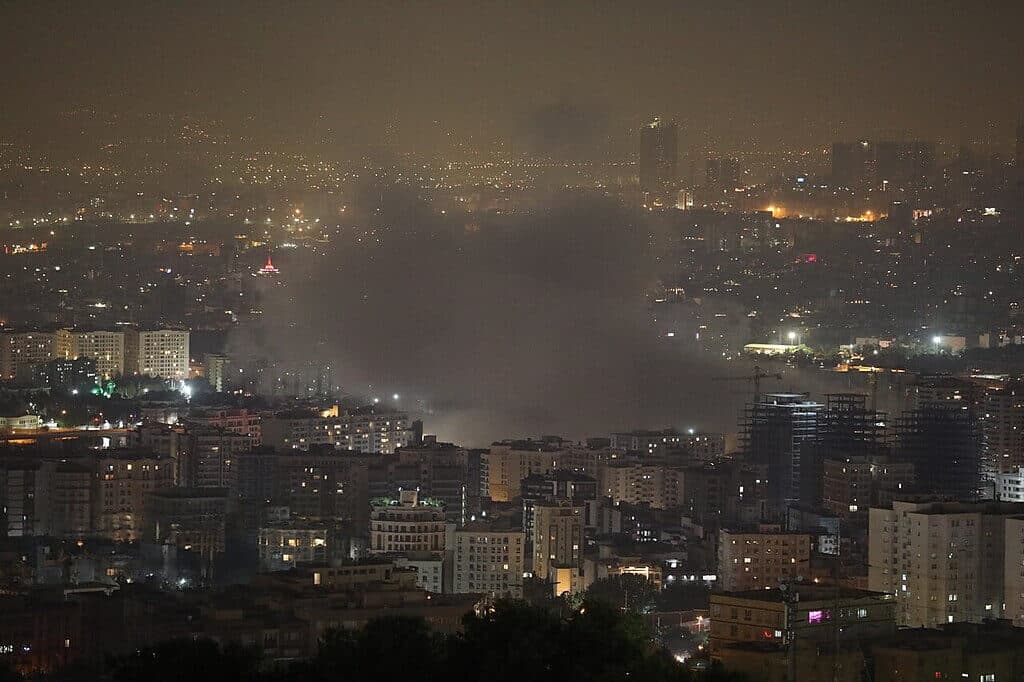
Friday brought additional pressure across the region. Iranian missile and drone strikes damaged oil, natural gas, and water desalination facilities throughout the Persian Gulf, injuring at least 12 people in the UAE. The Pentagon's tally of U.S. casualties stands at 365 service members injured and 13 dead, seven of them in hostile incidents, including six killed in an Iranian strike in Kuwait.
Maryland Governor Wes Moore, a veteran of the Army's 82nd Airborne Division, warned the U.S. is "lurching again into another forever war" with no clear definition of success. The fate of the missing WSO, somewhere in Iranian territory with a bounty on his head, may test that warning sooner than anyone in Washington anticipated.
Know something we missed? Have a correction or additional information?
Submit a Tip